
“The power of population is indefinitely greater than the power in the earth to produce subsistence for man.”
–Thomas Malthus–
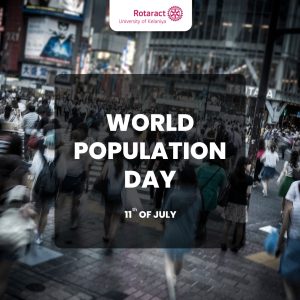
Every year on July 11th, the world gathers to celebrate World Population Day, a day designated by the United Nations in 1989 to draw attention to the urgency and importance of population issues. This observation is important because it raises awareness of global population trends and their profound implications for sustainable development, health, and environmental sustainability.
World Population Day was inspired by the “Five Billion Day” on 11th July, 1987, when the world’s population reached nearly five billion.
The milestone highlighted the rapid growth of the global population and its potential impacts on resources, ecosystems, and human well-being. The United Nations established World Population Day to encourage dialogue and action on population-related challenges.

The growth of the population directly affects the environment and natural resources. Increased demand for food, water, and energy can lead to overexploitation and environmental degradation. Accessing health services, especially reproductive health services, is critical to managing population growth and improving overall health outcomes.

Education, especially for girls and women, is a powerful tool for managing population growth. Educated women are more likely to make informed choices about their reproductive health, leading to lower birth rates and improved family well-being. Gender equality is also essential for sustainable development, which enables women to participate fully in economic and social life.
The world is experiencing unprecedented levels of urbanization, with more people living in cities than ever before. This shift presents both opportunities and challenges for sustainable development. Populations in many parts of the world are aging, presenting unique challenges and opportunities. An aging population increases the demand for health care and social services, requiring policies that support the elderly while also contributing to society.
World Population Day highlights the need for policies that balance population growth with sustainable development to ensure that future generations can meet their needs without compromising the health of the planet. Also, it promotes efforts to reduce maternal and child mortality, combat malnutrition, and address diseases associated with high population density. By ensuring that everyone has access to quality healthcare, we can create healthier and more resilient communities.

World Population Day advocates for policies and initiatives that promote education and gender equality around the world. In this day and age, it encourages sustainable urban planning practices that ensure livable cities with adequate housing, infrastructure, and services and emphasizes the importance of meeting the needs of older adults and ensuring their well-being.
As we celebrate World Population Day 2024, addressing population growth is not just about numbers. It is about creating a sustainable, just, and healthy future for all. By focusing on education, health, sustainable development, and climate action, we can work towards a world where everyone has the opportunity to thrive. The day serves as a reminder of our collective responsibility to manage population growth to ensure the well-being of present and future generations.