
Science as a Bridge Towards Peace and a Better Future
R
By Rtr. Jayodya WijesooriyaGuest · 2 min read
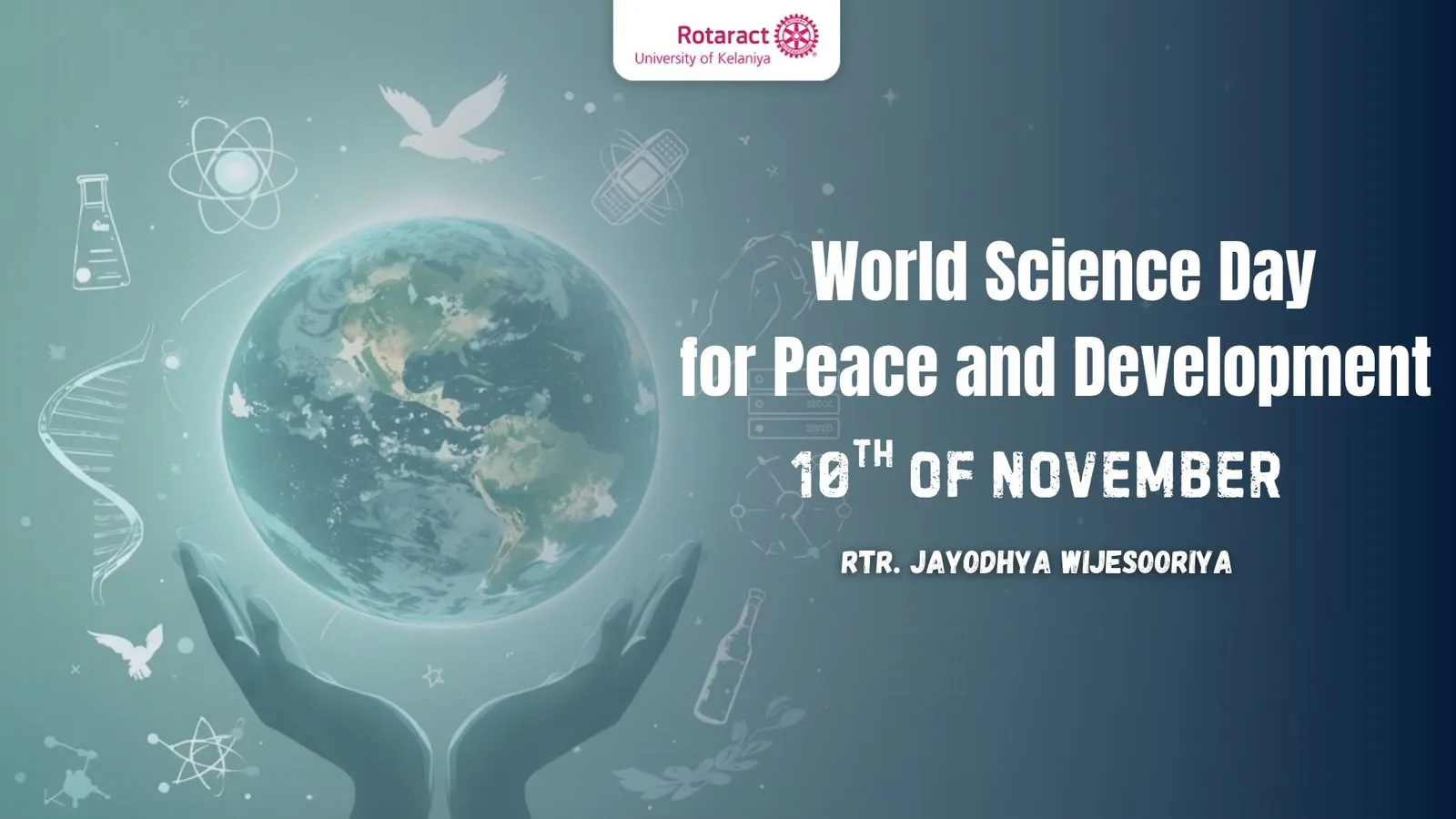
Science is one of the strongest tools that humans have ever created. It has changed the way we live, communicate, learn and understand the world around us. From life saving medicines to modern technology, scientific discoveries have made our lives easier and opened new opportunities. However, the importance of science goes beyond inventions and technological development. It also plays an important role in building peace, promoting cooperation and creating a better world. This is why World Science Day for Peace and Development is celebrated every year on 10th of November. It shows how science can bring about positive changes in the world.
Established by UNESCO in 2001, this day highlights the importance of science in society and encourages people to use scientific knowledge for the benefit of humanity. It reminds us that science is not only the responsibility of scientists and researchers. Everyone has a role to play in understanding and supporting scientific development.
One of the greatest contributions of science is its ability to improve human lives. Medical discoveries, vaccines and modern treatments have helped prevent diseases and save millions of lives. Developments in agriculture have helped farmers increase food production and address food shortages. Technology has also made education more accessible, allowing students to learn and share knowledge beyond geographical boundaries.

Science also has a strong connection with world peace. In a world where countries experience political disagreements, conflicts and cultural differences, scientific cooperation can bring people together. Scientists from different nations can work together despite their differences. For example, international cooperation in medical research and climate change studies shows how countries can unite to address common challenges. Such cooperation helps build trust and strengthen relationships between nations.
Moreover, science plays an important role in sustainable development. Today, the world faces serious challenges such as climate change, environmental pollution, poverty and the shortage of natural resources. Scientific research helps us understand these problems and find practical solutions. Renewable energy sources such as solar and wind power are good examples of how science can support environmental protection.
However, scientific progress must always be guided by responsibility. The misuse of scientific knowledge can lead to serious consequences including destructive weapons and environmental damage. Therefore, scientific development should focus on protecting human life and creating equal opportunities for everyone.
On this World Science Day for Peace and Development, we should recognize that science belongs to all of us. When used responsibly, it has the power to connect people, overcome differences and create a peaceful, inclusive and sustainable future. Therefore, it should be used wisely to help lead the world towards a better future.
 Calendar CheckCalendar Check
 Calendar Check