
World Television Day: The Power of the Screen
R
By Rtr. Upeksha RathnayakaGuest · 1 min read
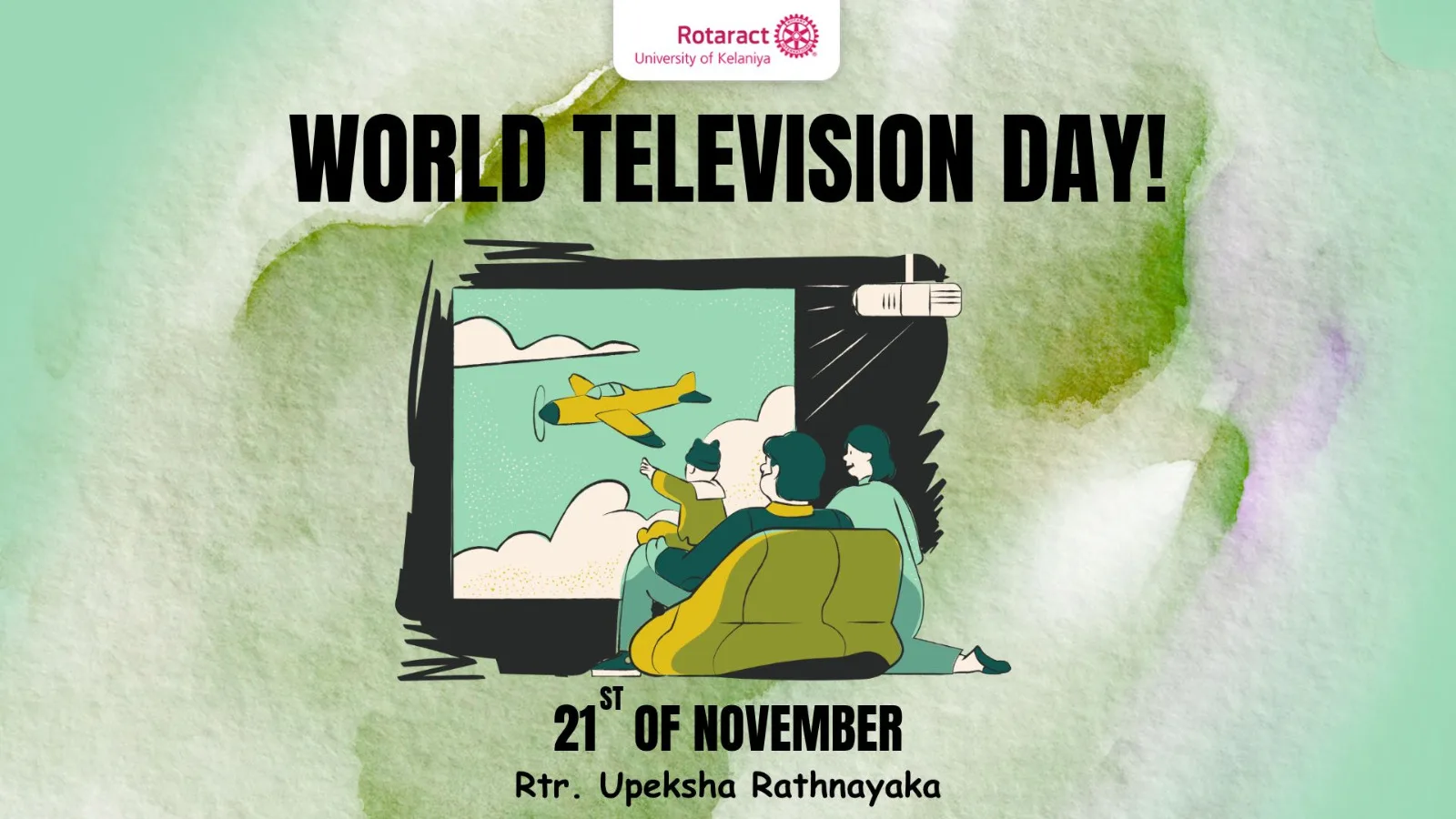
World Television Day is celebrated every year on 21st of November around the world. It was established by the United Nations in 1996 to recognize the importance of television as a powerful communication medium. This day highlights the role of television in sharing information, educating people and connecting the world.

Television is one of the most influential inventions in modern history. It has changed the way people receive information and understand the world. Through television, people can watch news, educational programmes, documentaries, sports, entertainment and cultural events. It helps us learn about different countries, traditions, lifestyles and global issues.
One of the most important roles of television is providing education. Educational programmes help students improve their knowledge and develop new skills. Television also creates awareness about important social issues such as environmental protection, health, human rights and public safety.
Furthermore, television plays an important role during emergencies and natural disasters. It provides quick updates and helps people stay informed about important situations. It also brings families and communities together through entertainment and shared experiences.
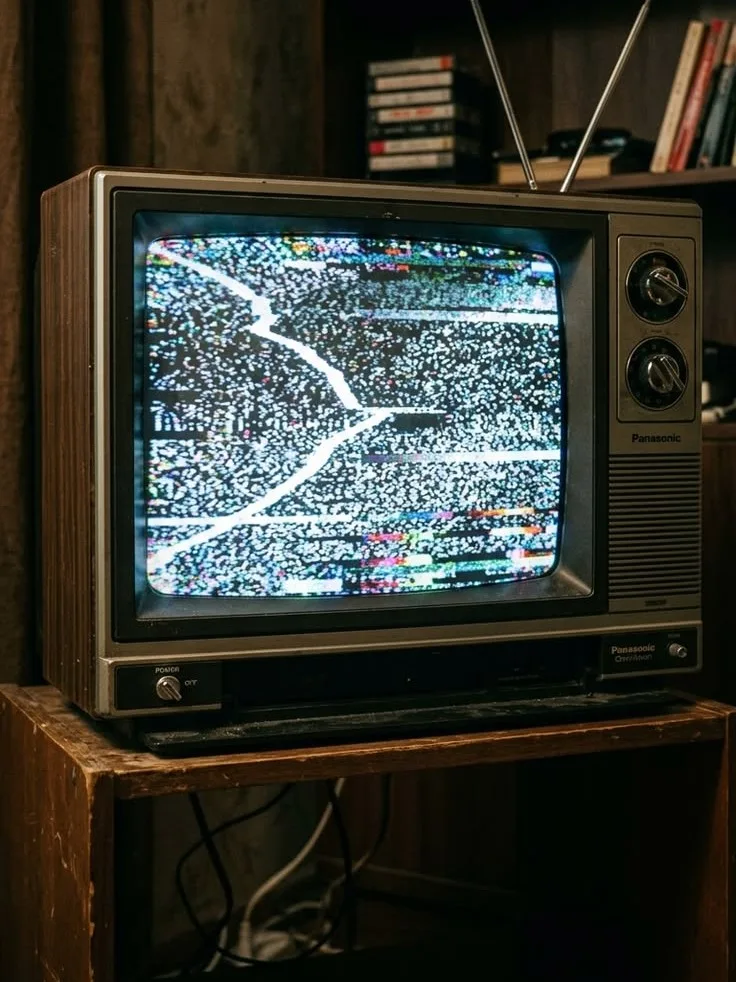
However, television also has some disadvantages. Watching television for long periods can affect physical health, reduce study time and limit social interactions. Sometimes, false information and inappropriate content can negatively influence viewers. Therefore, people should use television wisely and choose useful programmes.
In today's digital world, television continues to develop with modern technology and online streaming platforms. Although social media and the internet have become popular, television remains an important source of information and entertainment.
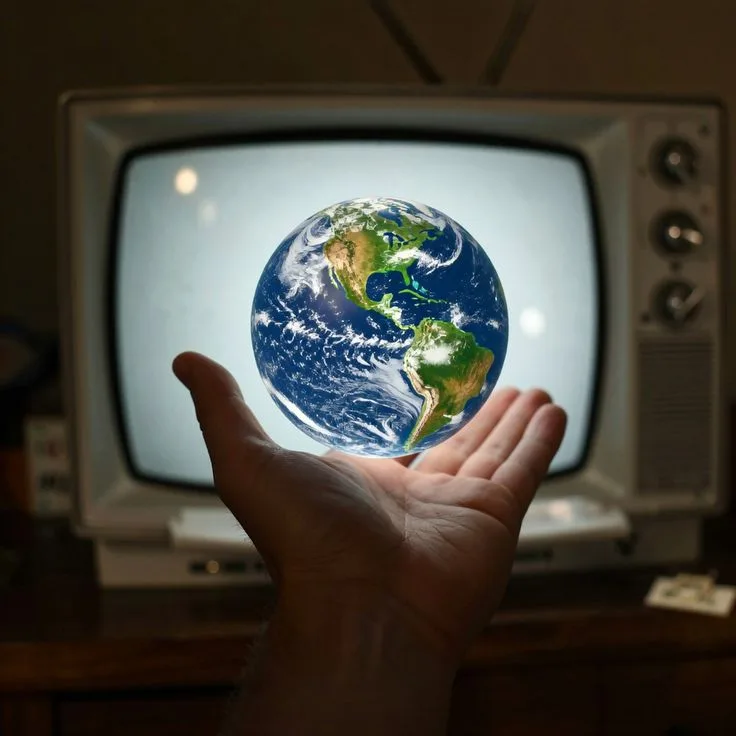
On this World Television Day, let us appreciate the contribution of television to society and remember to use it responsibly. Television is not just a source of entertainment; it is also a powerful tool for education, communication and positive social change.
 Calendar Check
 Calendar Check
 Calendar Check