
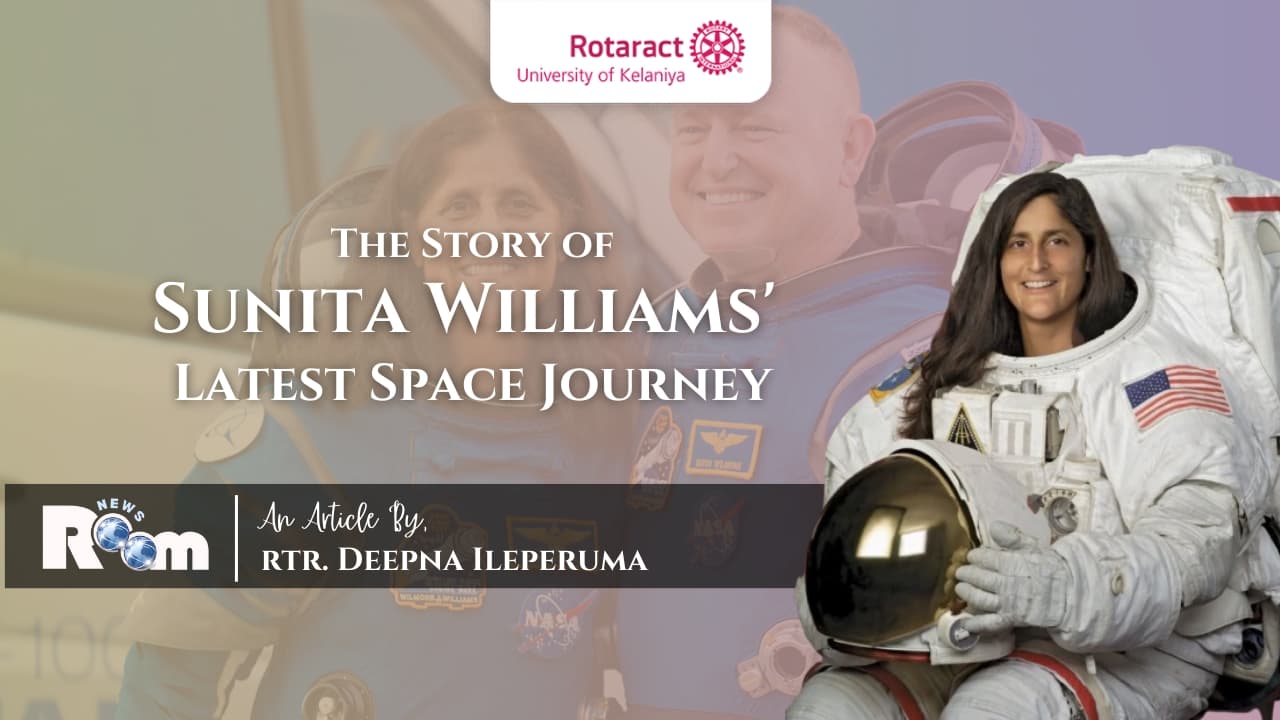
Sunita Williams, a name synonymous with space exploration, embarked on another remarkable journey in 2024. This time, it wasn’t just another trip to the International Space Station (ISS); it was a crucial test flight for Boeing’s Starliner spacecraft. Alongside Butch Wilmore, Williams was tasked with proving the Starliner’s readiness for regular crewed missions. What was meant to be a short, carefully planned mission, however, turned into an extended stay, filled with unexpected challenges and valuable lessons.
The Starliner’s Crew Flight Test (CFT) was designed to be a landmark moment, a stepping stone towards more frequent and reliable space travel. The goal was simple: launch, dock with the ISS, spend a short time there, and return safely to Earth. But space travel is rarely simple. Shortly after docking, engineers on the ground noticed some unusual readings. Thrusters, essential for maneuvering the spacecraft, were not performing as expected. Then came reports of helium leaks, a serious concern for any spacecraft.

These technical hiccups forced NASA and Boeing to reassess the mission. Safety was paramount, and the decision was made to extend the crew’s stay on the ISS. This allowed engineers time to analyze the issues, understand their root causes, and develop solutions. For Williams and Wilmore, this meant adapting to an unplanned long-duration mission. They became part of the ISS crew, contributing to ongoing research and experiments.
The extended stay, while unexpected, provided a unique opportunity. It allowed for a more thorough evaluation of the Starliner’s capabilities in real-world spaceflight conditions. Data collected during this period will be invaluable for future missions. The astronauts experienced firsthand how the spacecraft performed over an extended period, providing crucial insights for engineers back on Earth.
One of the more unusual aspects of their stay was the report of strange, rhythmic noises coming from the Starliner’s internal speakers. Described as “sonar-like,” these pulsating sounds added a layer of mystery to the already complex mission. While the noises didn’t pose an immediate threat, they highlighted the unpredictable nature of space travel and the importance of thorough testing.
The return to Earth became a focal point of attention. Every step was meticulously planned, and carefully executed. The extended stay meant increased scrutiny, and a greater emphasis on a safe and successful landing. The mission, despite its challenges, provided a wealth of information. It underscored the importance of resilience, adaptability, and the unwavering commitment to safety that defines space exploration.
Sunita Williams, with her extensive experience, played a vital role throughout this journey. Her calm demeanor, technical expertise, and ability to adapt to changing circumstances were instrumental in navigating the challenges. Her journey serves as a reminder that space exploration is a continuous learning process, filled with both triumphs and setbacks. Each mission, regardless of its challenges, contributes to our understanding of the cosmos and our ability to explore it. While the Starliner’s CFT faced unexpected hurdles, it ultimately provided valuable lessons that will pave the way for future space travel.