
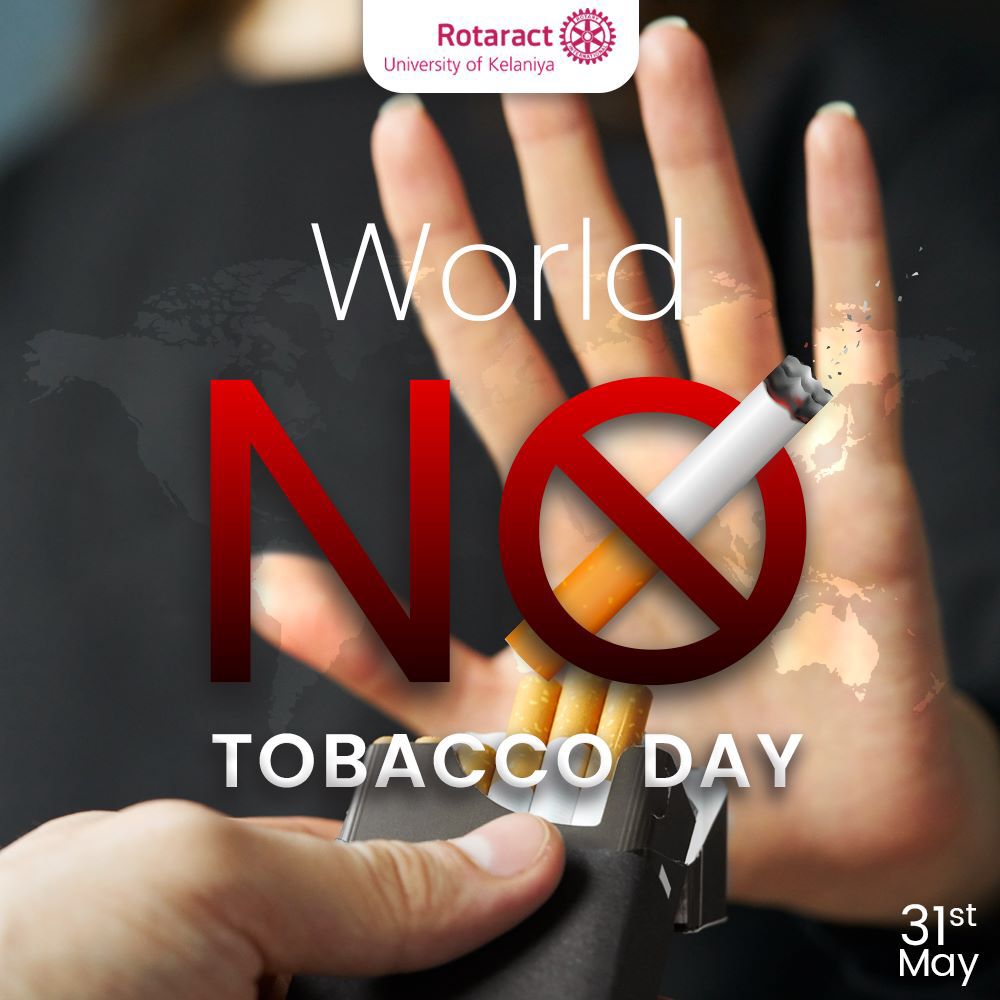
The World No Tobacco Day is an annual event celebrated on the 31st of May to create awareness about the harmful effects of tobacco use and how it can damage our health. The day was established by the World Health Organization (WHO) in 1987 to draw attention to the global tobacco epidemic and the preventable death and disease it causes.
Tobacco use is one of the leading causes of preventable deaths worldwide, killing more than 8 million people every year. It is not just cigarettes that are harmful, but also cigars, pipes, and smokeless tobacco products. The use of tobacco can cause various health problems, including cancer, heart disease, stroke, and respiratory illnesses.
World No Tobacco Day provides an opportunity for health organizations, governments, and individuals to work together to promote tobacco-free lifestyles and support those who want to quit smoking. The theme for this year’s World No Tobacco Day is “Grow Food, Not Tobacco”. The goal of this theme is to promote knowledge about alternative crop production and marketing prospects for tobacco farmers while urging them to cultivate sustainable and nourishing crops. The theme aims to inform farmers about the benefits of growing alternative crops that will not only provide better returns but also benefit the environment and general health. The theme focuses on creating awareness about sustainable farming practices and marketing opportunities, encouraging farmers to diversify their crops and adopt sustainable agricultural techniques. By doing so, tobacco farmers can help ensure a more prosperous and sustainable future for themselves and their communities, while contributing towards a healthier and greener world.
There are many resources available to help people quit smoking, including nicotine replacement therapies, counseling, and support groups. Quitting smoking can be a difficult process, but it is never too late to start. This theme aims to promote the cultivation and marketing of alternative crops, which can be a sustainable and healthier source of income for tobacco farmers. The goal is to encourage farmers to shift towards growing crops that are nutritious and have a lower impact on health and the environment.
Tobacco use has several harmful effects on the human body. Tobacco contains numerous harmful chemicals, including nicotine, tar, and carbon monoxide, which pose a significant risk to health. Here are some of the harmful effects of tobacco:
- Cancer: Tobacco use is the leading cause of preventable cancer worldwide. It can cause cancer in various parts of the body, including the lungs, throat, mouth, bladder, pancreas, and kidneys.
- Respiratory problems: Smoking damages the lungs and respiratory system, leading to respiratory illnesses such as chronic bronchitis and emphysema. It can also worsen asthma symptoms, making it harder to breathe.
- Cardiovascular disease: Tobacco use increases the risk of heart disease, stroke, and other cardiovascular diseases. It can cause damage to blood vessels and worsen cholesterol levels, leading to atherosclerosis.
- Dental problems: Smoking can cause tooth decay, gum disease, and tooth loss. It can also cause bad breath and stained teeth.
- Reproductive problems: Smoking can cause infertility in both men and women. It can also increase the risk of complications during pregnancy, such as premature birth and low birth weight.
Imagine a life without the harsh, choking effects of tobacco smoke. The sweet, fresh air fills your lungs as you breathe deeply, feeling more alive and vibrant than ever before. You have more energy, more focus, and a renewed sense of purpose. You savor the taste of food and drink, noticing flavors you never knew existed. Your skin glows with vitality, and your smile shines bright. You are free from the heavy burden of addiction and have taken control of your health. You are living life on your own terms and feeling fantastic!
Say no to tobacco and embrace a life full of flavor, energy, and wellness.