In a society that glorifies perfection, individuals with rare diseases stand as symbols of resilience, deserving universal support, recognition, and tailored assistance over adversity. They should be treated with empathy, understanding, and respect. It’s important to listen to their experiences, validate their struggles, and provide support tailored to their needs.

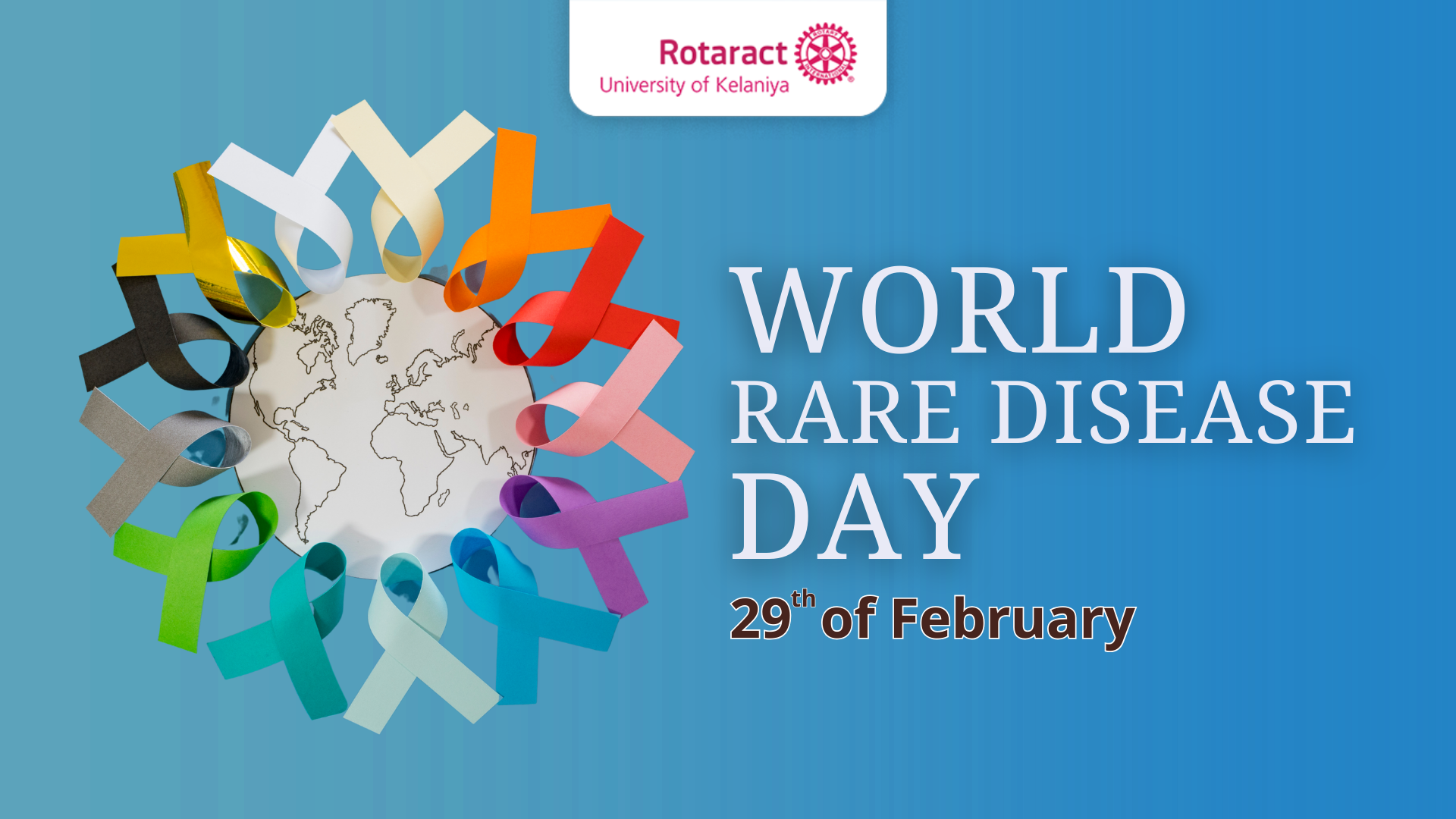
With over 10,000 rare diseases affecting an estimated 400 million people worldwide, the prevalence of rare conditions highlights that rarity is indeed everywhere, requiring widespread awareness and support. World Rare Disease Day, commemorated annually on the 28th of February serves as a reminder of the struggles endured by individuals and families impacted by rare diseases globally. Rare Disease Day, established in 2008 by the European Organisation for Rare Diseases, aims to advocate for the implementation of policies to address the needs of those affected by unknown or overlooked illnesses while raising awareness.
By spotlighting these often overlooked conditions, this day plays a vital role in educating the general public and healthcare professionals about the existence, symptoms, and challenges faced by individuals living with rare diseases and their families. Accordingly, World Rare Disease Day serves as a pivotal moment for bringing together rare disease communities, advocating for policy changes, and advancing research efforts to enhance the well-being of those impacted by these conditions.
Apart from that, As humans, we bear the responsibility of ensuring that individuals with rare diseases are not marginalized and receive the support and resources they deserve.
Accordingly, World Rare Disease Day stands as a solemn testament to the imperative that every person, irrespective of the rarity of their ailment, is entitled to equitable access to high-quality healthcare, unwavering support, and genuine empathy. This day serves as a beacon, illuminating the path towards a future where rare diseases are met not with indifference or neglect, but with empathy, robust research, and comprehensive care. Together, let us reaffirm our commitment to inclusivity and solidarity, ensuring that no one is left behind in pursuing health and well-being.