“Peace is not the absence of conflict, it is the presence of justice.” – Martin Luther King Jr.
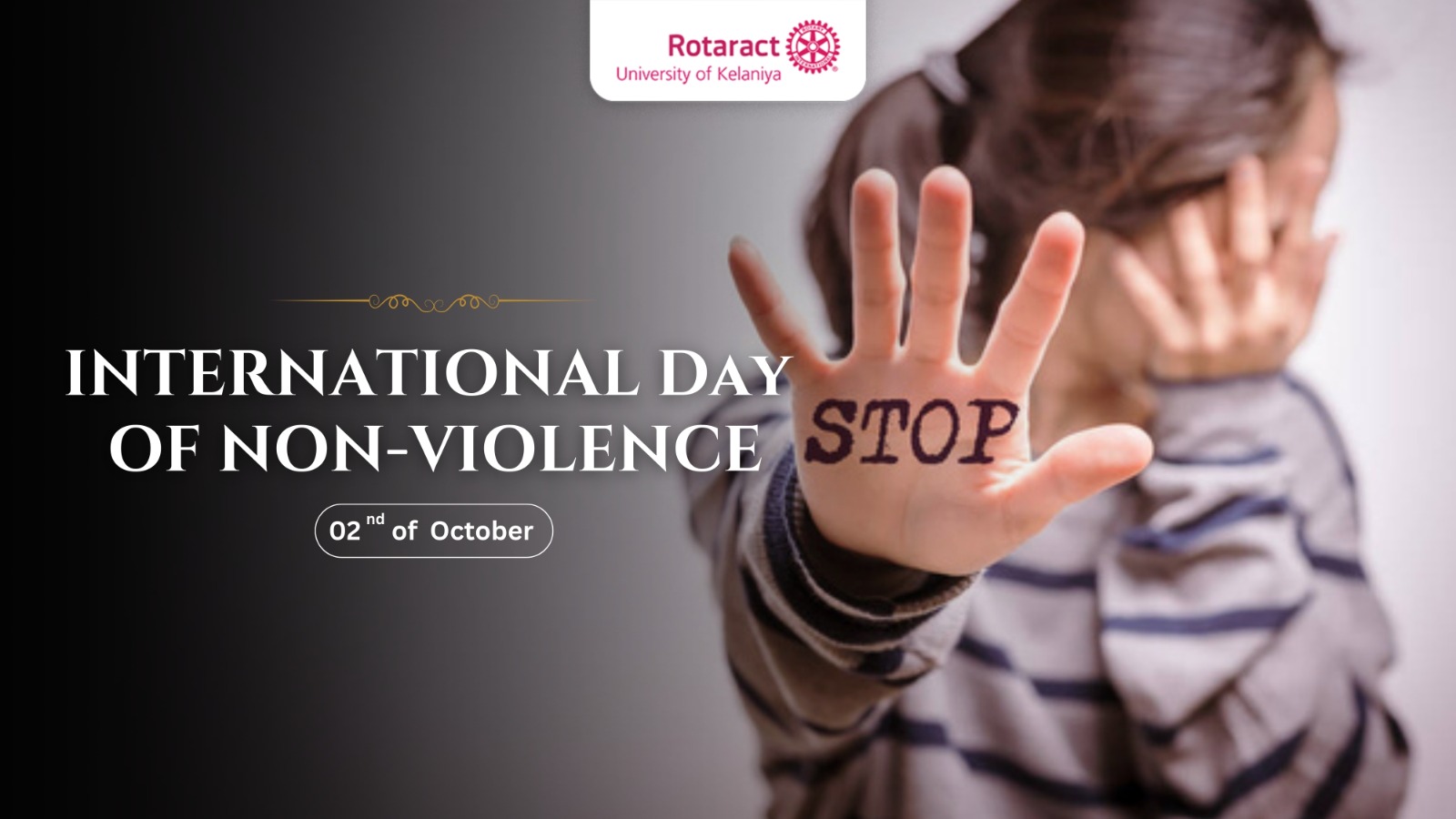
The International Day of Non-Violence, observed annually on October 2nd, is a global commemoration dedicated to promoting peace and non-violence worldwide. This day honors the legacy of Mahatma Gandhi, the iconic leader who advocated for peaceful resistance against injustice and oppression. The observance aims to inspire individuals and communities to embrace non-violence as a powerful tool for conflict resolution and social change.
The concept of non-violence, as championed by Gandhi, involves the use of peaceful means to achieve one’s goals. It emphasizes the power of love, compassion, and cooperation over hatred, violence, and coercion. Gandhi’s philosophy of Satyagraha, which translates to “truth force,” emphasizes the importance of truth, justice, and non-violent resistance in bringing about positive social change.
The International Day of Non-Violence is a significant occasion to reflect on the pervasive nature of violence in our world and to explore ways to promote peace and understanding. Violence can take many forms, including physical, verbal, psychological, and structural. It can occur at individual, community, national, and international levels. The consequences of violence are far-reaching, affecting individuals, families, communities, and societies as a whole.

One of the key challenges in promoting non-violence is addressing the root causes of conflict. These can include poverty, inequality, injustice, discrimination, and lack of opportunities. By addressing these underlying issues, we can create more equitable and just societies that are less prone to violence.
Education plays a crucial role in promoting non-violence. By teaching children and young people about the values of peace, tolerance, and respect, we can help to cultivate a culture of non-violence. Schools can also provide opportunities for students to learn about conflict resolution skills and to practice peaceful communication.
In addition to education, fostering dialogue and understanding between people from different backgrounds is essential for promoting peace. By encouraging open communication and empathy, we can break down barriers and build bridges between communities. Intercultural exchange programs and initiatives can also help to promote understanding and cooperation.
The International Day of Non-Violence is a call to action for individuals and communities to work towards a more peaceful and just world. By embracing the principles of non-violence and taking concrete steps to promote peace, we can create a better future for ourselves and for generations to come.
“Violence is a created thing, and therefore it can be uncreated.” – Mahatma Gandhi