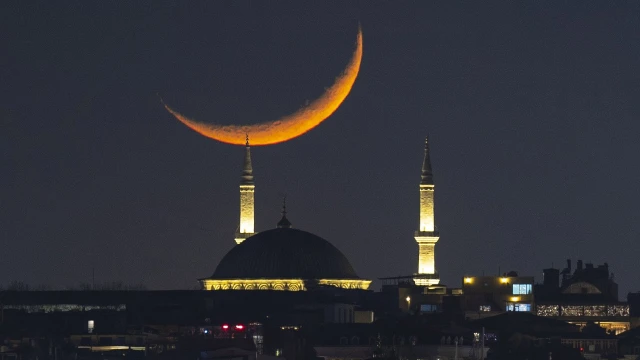
Among the many occasions observed within the Islamic calendar, the days of Dhul Hijjah hold a particularly profound place in the hearts of Muslims around the world. Associated with Eid al-Adha, these days are not merely a festive season marked by gatherings and meals but a period deeply rooted in reflection, sacrifice, devotion, and unity.
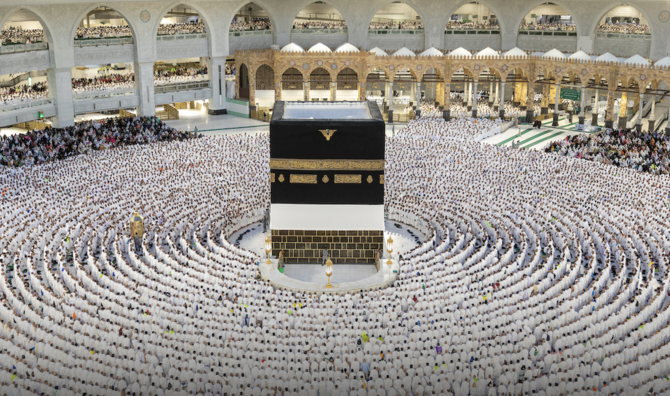
Dhul Hijjah, the twelfth and final month of the Islamic calendar, is regarded as one of the sacred months in Islam. It is during this time that millions of Muslims gather in Makkah to perform Hajj, the annual pilgrimage and one of the Five Pillars of Islam. For Muslims who are physically and financially capable, Hajj is not simply a journey across borders but a spiritual experience centered on humility, submission, and remembrance of God.
One of the most striking aspects of Hajj is the sense of equality it embodies. Pilgrims, regardless of nationality, race, profession, or social status, stand side by side dressed in simple garments, stripped of worldly distinctions. In a world often divided by identity and hierarchy, the pilgrimage serves as a powerful reminder of the shared humanity that exists beyond external differences. It is a moment where status loses meaning and sincerity takes precedence.
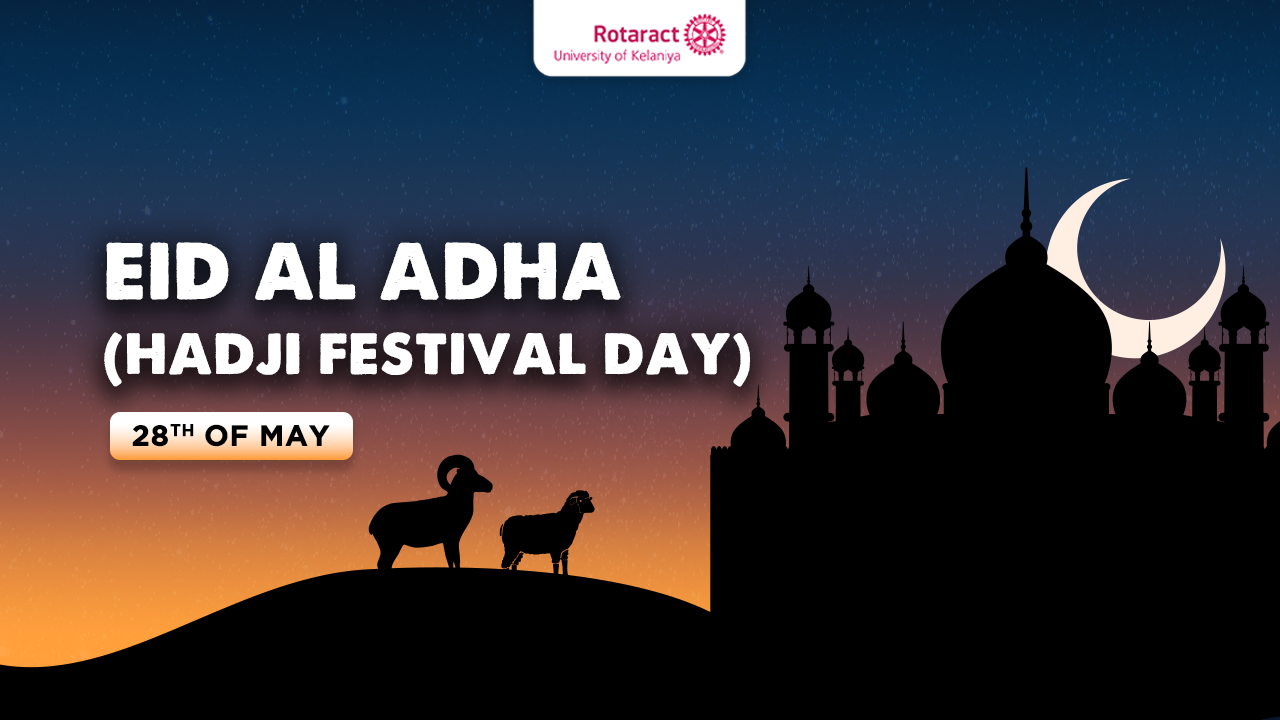
The significance of Eid al-Adha is inseparably tied to this spirit of devotion and sacrifice. The occasion commemorates the story of Prophet Ibrahim (Abraham), who, according to Islamic belief, demonstrated complete trust and obedience to God, even when faced with a deeply personal test. While the story is familiar to many across Abrahamic traditions, its essence in Islam lies not merely in sacrifice itself but in the sincerity of faith, the willingness to submit to a higher purpose, and the understanding that true devotion often requires letting go of personal attachments and desires.
This legacy continues through the practice of Qurbani, the ritual sacrifice performed during Eid al-Adha. Yet beyond the outward act lies a deeper social and spiritual message. The meat is distributed among family, neighbours, and especially those in need, reinforcing values of compassion, generosity, and communal responsibility. In this way, Eid becomes not only a celebration of faith but also an opportunity to strengthen empathy and social care within communities.
In contemporary society, where success is often measured through achievement, possession, and recognition, the lessons of Dhul Hijjah offer a contrasting perspective. They encourage individuals to reflect on what it truly means to sacrifice, not only in material terms but also in character and intention. Sacrifice may mean setting aside pride for humility, selfishness for service, or comfort for responsibility. The essence of these sacred days reminds believers that spiritual growth is closely tied to discipline, sincerity, and consciousness of one’s purpose.
For many Muslims, therefore, Eid al-Adha is not experienced solely as a day of festivity but as the culmination of values cultivated throughout Dhul Hijjah: gratitude, patience, unity, and devotion. It is a reminder that faith is not confined to rituals alone but is reflected in how one lives, serves, and treats others.
While deeply rooted in Islamic belief and practice, the broader values reflected through Dhul Hijjah and Eid al-Adha sacrifice, compassion, humility, and human equality, remain universally resonant. In a time where communities across the world continue to navigate division and uncertainty, such reminders invite reflection not only on our relationship with faith but also on our responsibility toward one another.