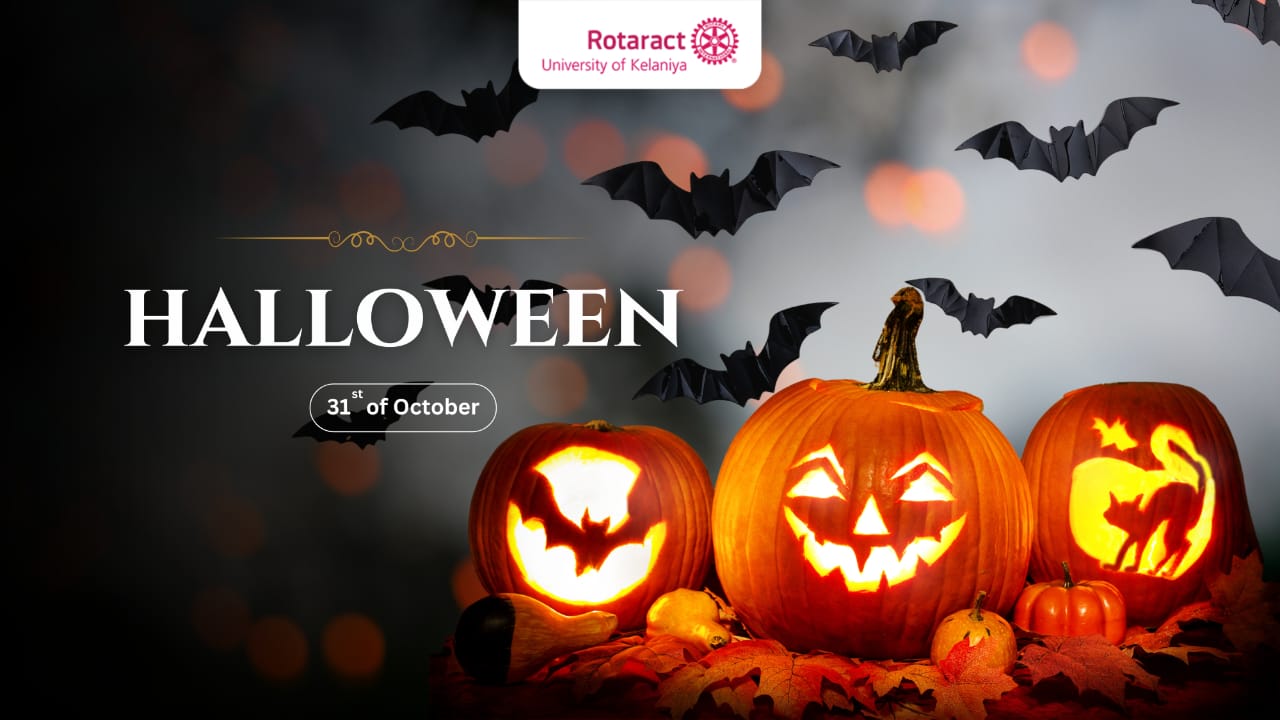
Halloween, celebrated on October 31st, is a night shrouded in mystery, excitement, and community spirit. Its origins are rooted in ancient traditions, and while it’s known today for costumes and candy, Halloween has evolved through centuries of history and diverse cultural influences.

The Origins of Halloween
Halloween traces back to the ancient Celtic festival of Samhain, marking the end of the harvest season and the beginning of winter. The Celts believed that on this night, the veil between the living and the spirit world was thinnest, allowing spirits to roam the earth. People would light bonfires and wear costumes to ward off ghosts. When Christianity spread, Samhain blended with the Christian observance of All Saints’ Day, giving birth to the name “All Hallows’ Eve,” which eventually became Halloween.
How It’s Celebrated Today
Halloween has grown beyond its origins to become a global celebration. Children and adults alike dress up in costumes ranging from the eerie to the amusing, creating a spectacular display of creativity. Trick-or-treating, a tradition where children go door-to-door in costume collecting candy, has become a core Halloween activity. Haunted houses, ghost stories, and eerie decorations further amplify the spooky atmosphere, turning neighborhoods into lively scenes of pumpkins, spider webs, and skeletons.
Traditions and Symbols
Some of Halloween’s most iconic symbols have interesting histories:
Jack-O’-Lanterns: Carving pumpkins with frightening faces originated from an Irish legend about “Stingy Jack,” who tricked the Devil and was doomed to wander with only a carved turnip to light his way. When Irish immigrants came to America, they found pumpkins more plentiful, and the jack-o’-lantern was born.
Costumes: In medieval times, people dressed as saints, angels, and demons during All Hallows’ Eve. Today, Halloween costumes span every imaginable theme, allowing people to be anyone or anything for a night.
Black Cats and Spiders: Associated with witches and the supernatural, black cats and spiders add a spooky edge to Halloween décor. In medieval Europe, black cats were thought to be witches’ companions, heightening their mystical allure.
Halloween Around the World
While Halloween as we know it is primarily celebrated in the U.S., many countries have their own versions of this festival. In Mexico, Día de los Muertos (Day of the Dead) celebrates the lives of deceased loved ones with vibrant costumes, sugar skulls, and altars. In Europe, All Saints’ Day and All Souls’ Day honor the dead with church services and cemetery visits.
The Magic of Halloween
Halloween is more than just candy and costumes; it’s a chance for people to step out of their everyday lives and embrace a sense of wonder. It encourages creativity and community, whether it’s through children’s laughter as they trick-or-treat or neighbors coming together to create haunted houses and themed events.
So this Halloween, whether you’re crafting a costume, carving a pumpkin, or watching a spooky movie, remember the history that brought this enchanting night to life. And who knows—perhaps you’ll feel a whisper of the ancient spirits still watching over this night of mystery and delight.
Happy Halloween!