
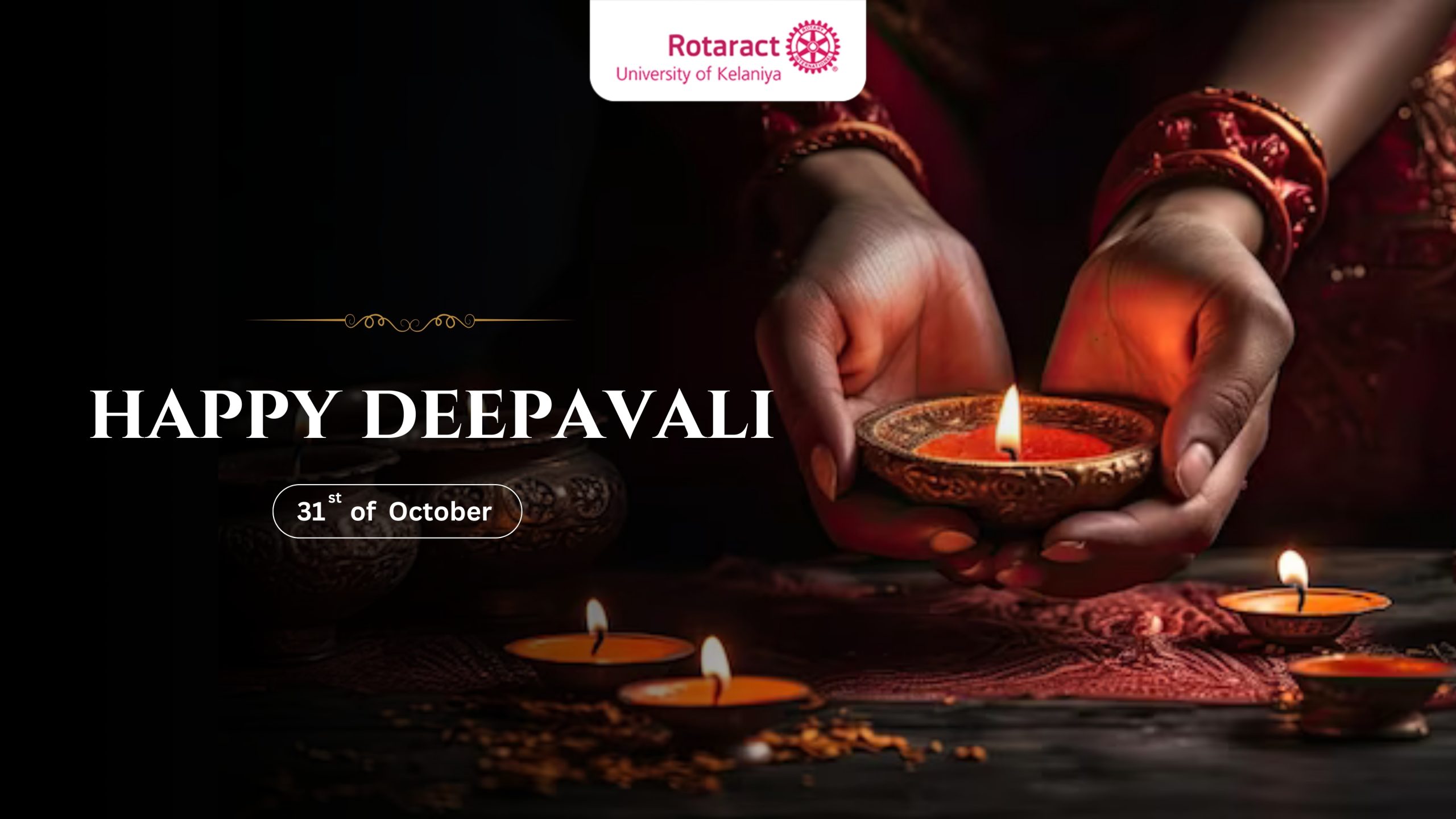
“May the blessings of Goddess Lakshmi shower you with wealth, health, and happiness. Happy Deepavali!”
Deepavali, also known as Diwali, is more than a festival; it’s a symphony of lights, colors, and joy that resonates across homes, communities, and hearts. Celebrated widely across India and by millions worldwide, this five-day festival illuminates not only the streets and homes but also the lives of those who take part in its magic. Deepawali, meaning “a row of lamps,” marks a time when flickering lights line doorsteps, windows, and altars, dispelling darkness and heralding the triumph of good over evil, knowledge over ignorance, and hope over despair.
The festival of Deepawali has roots deep in Indian mythology, traditions, and folklore. In the northern parts of India, it celebrates the return of Lord Rama to Ayodhya after a 14-year exile, marking his victory over the demon king Ravana. To welcome him, the people of Ayodhya lit oil lamps, or diyas, creating a magnificent display of light and warmth. For others, Deepawali is the time to honor Goddess Lakshmi, the deity of wealth and prosperity, and seek blessings for a fruitful year. Each region in India has its own stories and customs tied to the festival, adding rich layers to its meaning and celebrations.

As the festival approaches, homes are cleaned and adorned with beautiful rangolis—intricate patterns drawn with colored powders, flowers, and rice—creating a welcome for positive energy and auspicious beginnings. Diyas and fairy lights are placed in every corner, casting a golden glow that turns each home into a sanctuary of warmth and beauty. It’s a time when families come together, sometimes traveling great distances, to share in the festivities and reinforce bonds of love and gratitude.
On the main night of Deepawali, the ambiance is spellbinding. Children and adults alike indulge in setting off sparklers, firecrackers, and rockets that burst into vibrant colors across the night sky, creating a spectacular show that lights up the world, if only for a moment. However, in recent years, many are moving toward quieter, eco-friendly celebrations, mindful of the environment and health.
Sweets, or mithai, hold a special place in Deepawali festivities. Kitchens come alive with the scent of ghee, sugar, and cardamom as families prepare traditional treats like laddoos, barfis, and jalebis. Sharing sweets with neighbors, friends, and family has become a cherished tradition that symbolizes spreading happiness and prosperity.
The spiritual heart of Deepawali lies in the lighting of diyas, which signifies the victory of light over darkness. Each diya is a reminder to kindle the inner light within ourselves, to remain hopeful and steadfast even when life seems clouded. It encourages self-reflection, a connection to others, and an awareness of the divine presence in our lives. Many observe rituals of prayer, meditation, and gratitude, focusing on the true meaning of prosperity—one that transcends wealth and dwells in contentment, love, and peace.
Deepawali is a time of renewal and joy, where communities unite in a celebration that extends beyond religious or cultural divides. It’s a festival that reminds us to pause, cherish our loved ones, and acknowledge the light within us all. As we light diyas and watch their soft glow merge with the stars, we are reminded of the hope and resilience that guide us through life’s darkest moments. Deepawali is not just a festival but a beacon, illuminating our hearts with joy, compassion, and the timeless promise of light returning to our lives, year after year.