
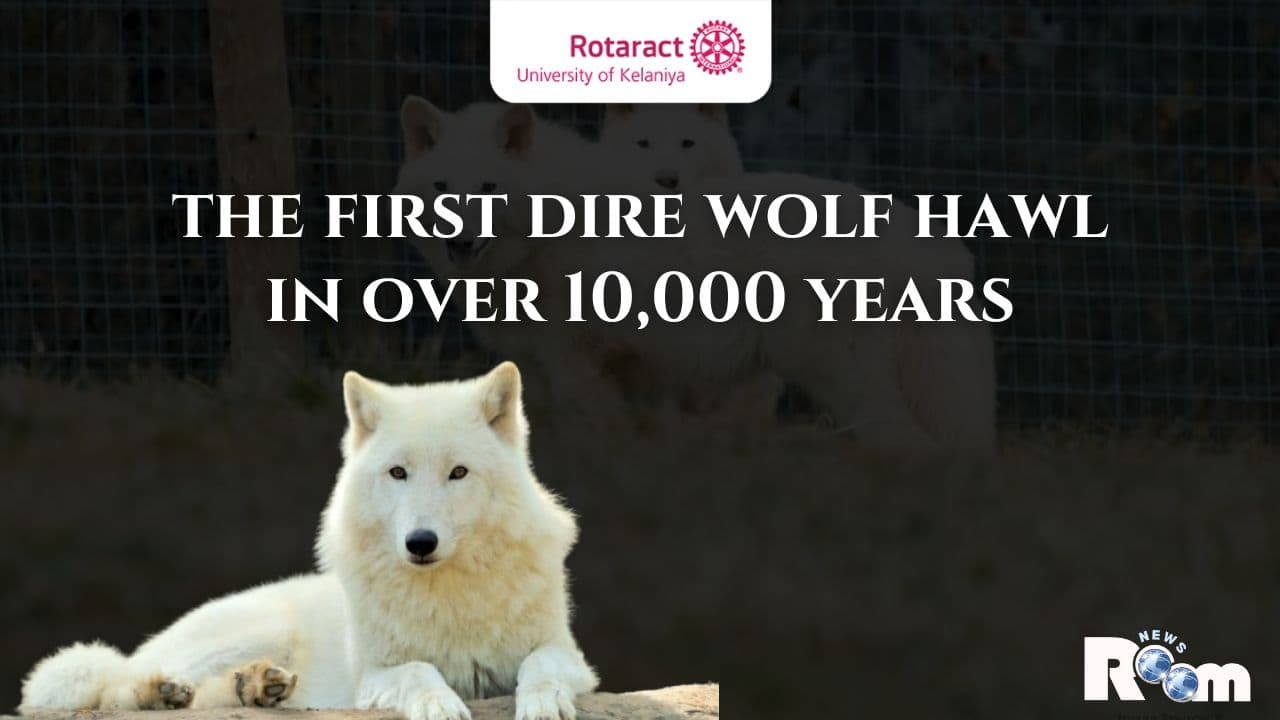
In a groundbreaking scientific achievement, Colossal Biosciences, a biotech company based in Dallas, has successfully produced three genetically engineered wolf pups modeled after the extinct dire wolf. This marks a significant milestone in the emerging field of de-extinction biology.
A Glimpse into the Past
Dire wolves (Aenocyon dirus) once roamed North America during the Ice Age, going extinct around 13,000 years ago. Larger and more robust than today’s gray wolves, they were apex predators that shaped the prehistoric ecosystems they inhabited.
The Birth of the Modern Dire Wolves
Using DNA extracted from ancient fossils — including a 13,000-year-old tooth and a 72,000-year-old skull — scientists at Colossal sequenced the dire wolf genome. By editing 20 genes in gray wolves to reflect dire wolf traits, they created embryos which were then implanted into domestic dog surrogates. The result: three living pups named Romulus, Remus, and Khaleesi.
While they are not genetically identical to true dire wolves, these pups exhibit key physical and behavioral characteristics from the extinct species, making them what researchers call the “world’s first de-extincted animal”.

Ethical and Scientific Considerations
Experts note these creatures are genetically modified wolves, not exact replicas of dire wolves. Still, Colossal insists their aim is not just replication, but ecological restoration — using ancient DNA and modern gene editing to bring back lost traits that could help revive ecosystems.
The pups are now housed in a controlled preserve where they can be safely observed and studied.
Cultural Buzz and Future Vision
The project has drawn attention from celebrities like Tom Brady, who sits on Colossal’s cultural advisory board, and actor Joe Manganiello, a board advisor and longtime fan of dire wolves. Their involvement has brought increased public interest to the science behind this endeavor.
Looking forward, Colossal hopes to apply its technology to other extinct animals, including the woolly mammoth and the Tasmanian tiger, pushing the boundaries of what’s possible in conservation and biotechnology.
References:
- Colossal Announces World’s First De-Extinction Birth of Dire Wolves (Business Wire)
- US company resurrects the extinct dire wolf, or some version of it (Reuters)
- Where ‘proud’ Tom Brady fits into company bringing back the dire wolf (New York Post)
- Joe Manganiello Has ‘Seen the Future’ After Dire Wolves Are Brought Back (People)