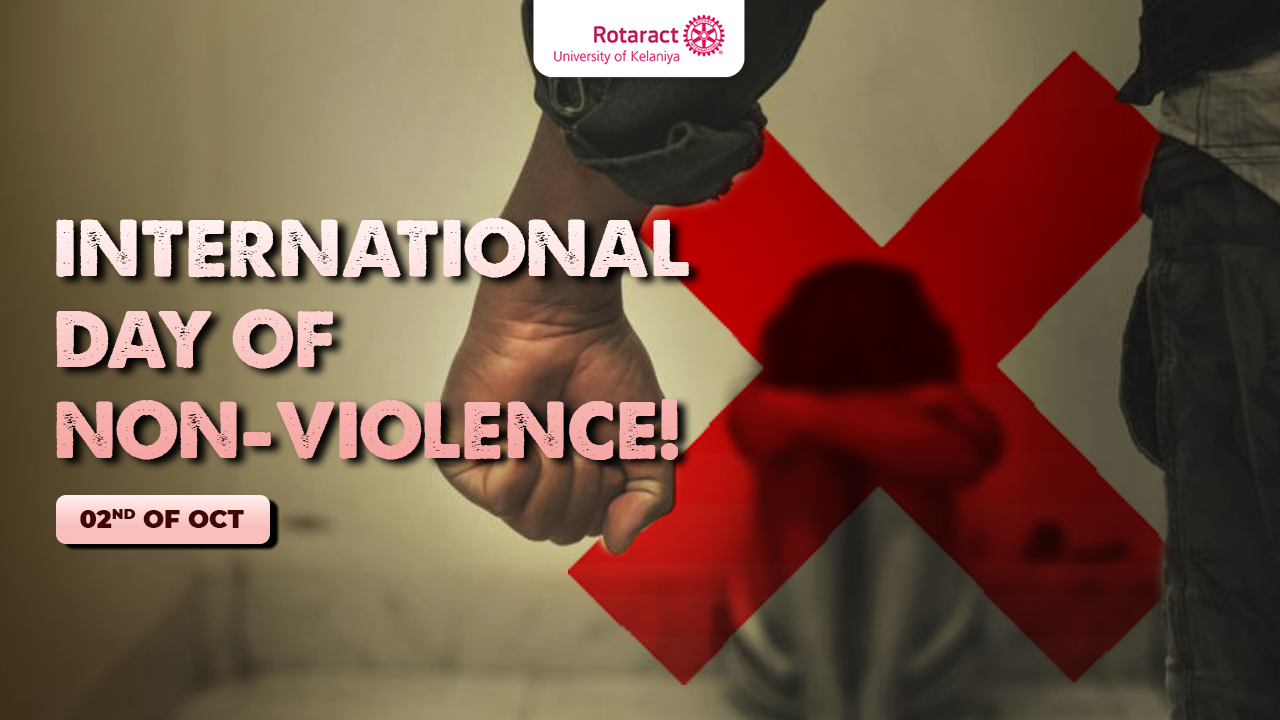

Every year on October 2nd, the world observes the International Day of Non-Violence. The day was established by the United Nations in 2007, following a resolution passed by the General Assembly. The date was chosen to honor the birth anniversary of Mahatma Gandhi, a global symbol of peace and non-violent resistance.
The purpose of this day is to spread the message that peace is stronger than violence. It reminds people that conflicts can be solved through dialogue, respect, and understanding. Gandhi’s philosophy of “ahimsa,” which means non-violence, inspires the world even today. His belief was that true strength comes not from force but from compassion and truth.
On this day, different events take place across the globe. Schools, universities, and organizations hold seminars, discussions, and cultural programs. Peace marches, exhibitions, and workshops are also organized to promote unity and harmony. These activities aim to educate people about the importance of non-violence in everyday life and in international relations.
The International Day of Non-Violence is especially meaningful in today’s world. Wars, terrorism, and hatred continue to harm communities. Violence also appears in smaller forms, such as bullying, discrimination, and domestic abuse. This day serves as a call to reject these acts and to build a culture of peace instead.
For countries like Sri Lanka, the message of non-violence holds deep importance. A history of conflict shows how vital peace and reconciliation are for progress. Non-violence is not only about avoiding harm. It is about promoting justice, equality, and mutual respect among people.
The day is also a reminder that each of us can make a difference. Simple actions, such as speaking kindly, listening to others, or solving problems peacefully, can create positive change. Non-violence begins with small steps in families, schools, and communities, and then grows to shape the world.
Let us use this day to stand together for peace, respect, and unity!