
Press freedom is the fundamental right of journalists and media organizations to report news and information without censorship or interference from the government or any other external entity. It allows journalists to investigate and report on important issues, hold those in power accountable, and provide the public with access to diverse viewpoints and perspectives.
Press freedom is essential for a functioning democracy as it ensures that citizens are informed and can make educated decisions about their government and society. It also helps to promote transparency, accountability, and the protection of human rights.
However, press freedom is not always guaranteed and is often under threat in many parts of the world. Governments may attempt to control the media through censorship, intimidation, or legal restrictions, which can undermine the ability of journalists to report freely and accurately.
Protecting press freedom is crucial for upholding democracy and ensuring that the public has access to reliable information. It is a cornerstone of a free and open society where journalists can work without fear of reprisal and contribute to a well-informed citizenry.
Let’s delve into why press freedom matters. A free press uncovers the truth by analyzing and explaining complex issues. Journalists use their skills in research, critical thinking, and fact-checking to inform the public about what’s happening around them. Without a free press, the average person would have limited knowledge of critical issues, and the truth could remain buried. The press acts as a watchdog on power, bridging the gap between the people and powerful entities. When the press is free, it can expose abuses of power, corruption, and human rights violations. Without this freedom, journalists who try to reveal the truth may face censorship and suppression.
In conclusion, press freedom is not only vital for democracy but also essential for safeguarding human rights and ensuring an informed citizenry.
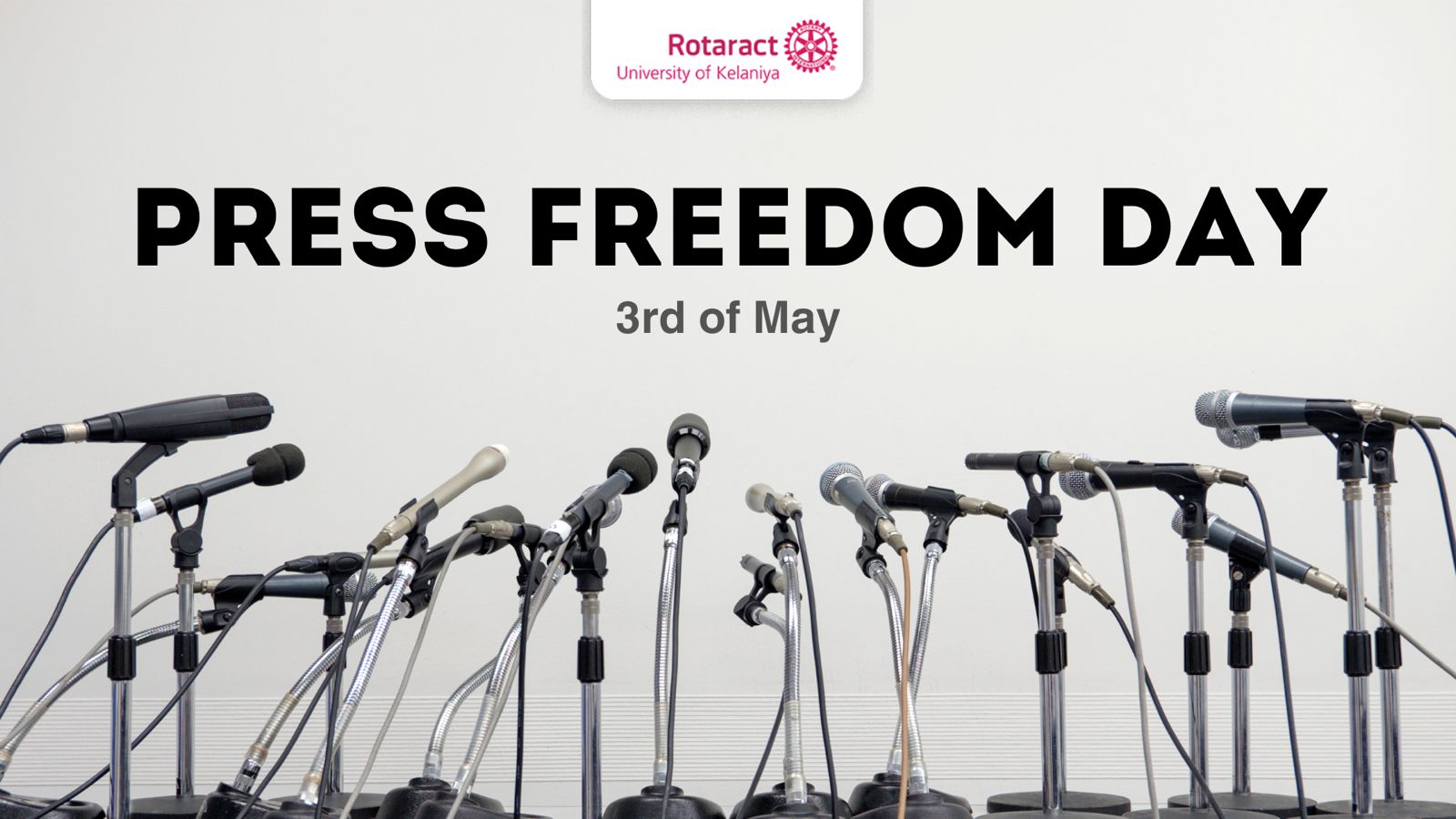
The World Press Freedom Day, celebrated annually on the 3rd of May, holds immense significance in recognizing the vital role of journalism and freedom of expression. World Press Freedom Day was proclaimed by the UN General Assembly in December 1993, following the recommendation of UNESCO’s General Conference. The date was chosen to commemorate the Declaration of Windhoek, which took place on May 3, 1991, in Namibia. During this event, African journalists affirmed the principles of a free press and independent media.
The theme for the World Press Freedom Day 2024 is “A Press for the Planet: Journalism in the Face of the Environmental Crisis.” This theme highlights the critical role of journalists in addressing the global environmental crisis and promoting awareness about climate change, biodiversity loss, and air pollution.
Journalists work on the frontlines of our collective fight for the health of our planet. Their courage and perseverance allow us to know what is happening across the globe. In the context of the triple planetary crisis (climate change, biodiversity loss, and air pollution), disinformation campaigns challenge scientific research and pose a threat to informed public debate. UNESCO’s Guidelines for the governance of digital platforms aim to address the flood of disinformation in the digital ecosystem while fostering freedom of expression.
On this World Press Freedom Day, let’s recognize and celebrate the tireless efforts of journalists in shaping a better future for all.