
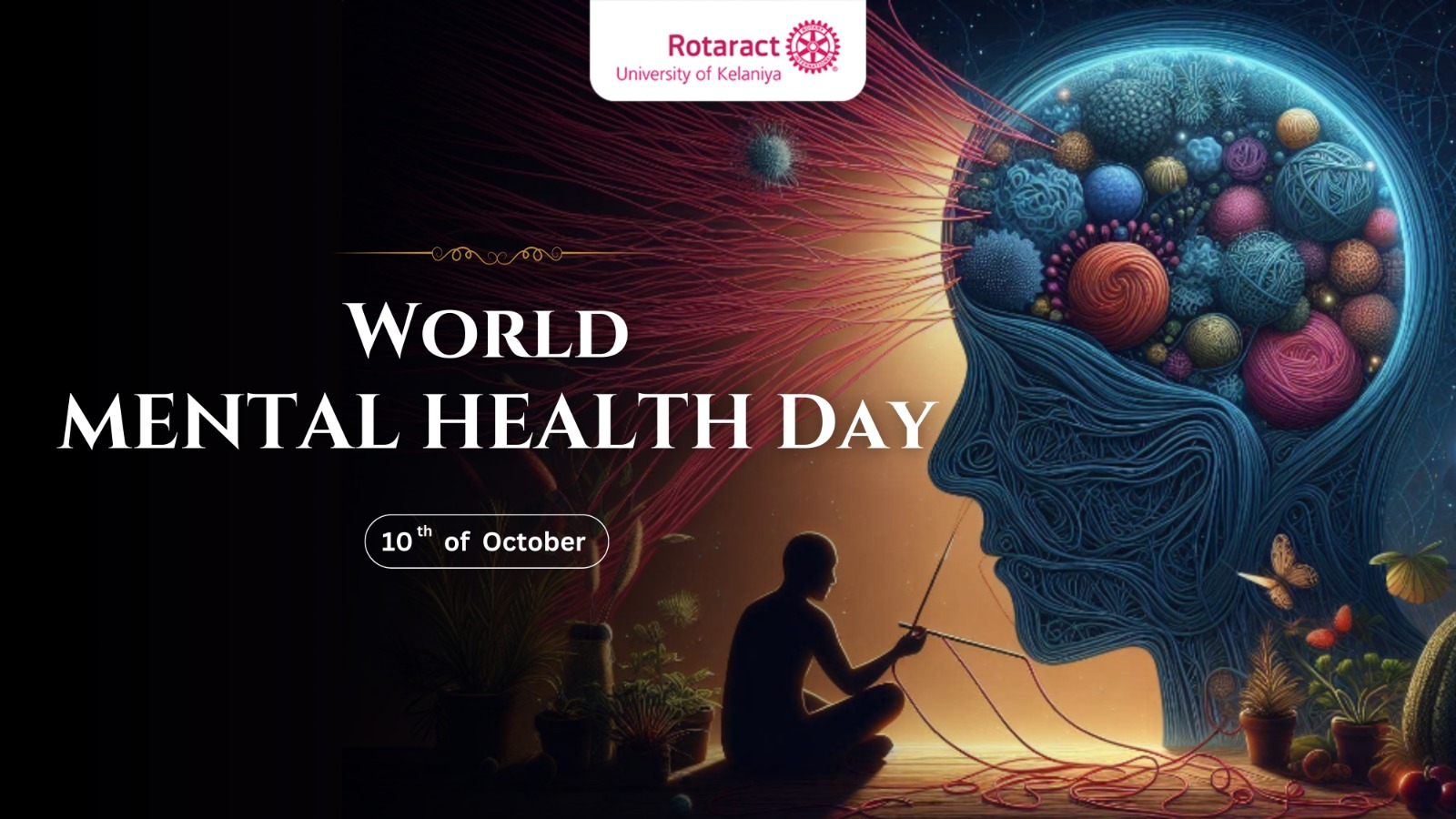
“The greatest discovery of my generation is that human beings can alter their lives by altering their attitudes of mind.” – William James
Every year on October 10th, the world comes together to recognize World Mental Health Day—a vital moment to raise awareness about mental health, break the stigma surrounding mental health challenges, and advocate for access to care. This year’s theme, “Mental health is a universal human right,” emphasizes that mental well-being is essential for everyone, regardless of background, and should be treated with the same urgency as physical health.
But mental health is more than just a theme for a single day. It is the foundation of how we navigate the world, form relationships, handle stress, and pursue fulfillment. It shapes how we think, feel, and act in every aspect of our lives. Yet, despite its importance, mental health is often overlooked, stigmatized, or under-supported.
As we reflect on this day, let’s dive deeper into why mental health matters and how we can support ourselves and each other on this journey.

The Global Mental Health Crisis
The statistics paint a sobering picture: according to the World Health Organization (WHO), one in eight people globally live with a mental health disorder, and these numbers have only grown post-pandemic. Anxiety, depression, and stress-related disorders have surged, especially among young people. The ripple effects of isolation, job uncertainty, and health anxieties have impacted millions, making it crucial for us to not just recognize these issues, but actively work to address them.
Despite the widespread nature of mental health conditions, access to mental health care is alarmingly limited. In many parts of the world, individuals struggling with mental health challenges face long wait times, financial barriers, or complete lack of resources. For those who do manage to get help, the stigma can still make it difficult to talk openly or seek support.
Why Mental Health Is a Human Right
Mental health is not a luxury—it’s a necessity. Just as we view physical health care as a basic human right, mental health care should be given the same weight. The ability to access counseling, therapy, medications, or support groups is integral to living a life of dignity, balance, and potential.
On World Mental Health Day, the focus on universal access reminds us that nobody should be left behind, whether due to financial constraints, geographic barriers, or cultural stigmas. Governments, communities, and individuals must advocate for more inclusive and equitable mental health policies. This means more funding, more education, and more awareness campaigns so that everyone knows how to access the help they need.
Breaking the Stigma, One Conversation at a Time
One of the biggest barriers to mental health care is stigma. Despite advances in medical understanding, people dealing with mental health issues are often made to feel ashamed or weak for seeking help. The result? Many remain silent, suffering in isolation instead of reaching out.
This year, let’s challenge the old narratives. If we start treating mental health like any other aspect of well-being, we can normalize conversations about therapy, medication, and self-care. Whether it’s a chat with a friend, an open discussion in a workplace, or simply sharing your own story, breaking the stigma begins with vulnerability and empathy.
Small steps—like expressing compassion, checking in on loved ones, or being mindful of mental health in everyday interactions—can have a profound impact.
How Can You Support Your Mental Health?
Prioritizing mental health doesn’t have to mean drastic changes. It’s about integrating habits and mindsets that foster resilience, emotional regulation, and self-compassion. Here are a few actionable ways to start:
- Practice Mindfulness: Whether through meditation, journaling, or deep-breathing exercises, mindfulness helps you stay present, reduces stress, and improves your overall sense of well-being.
- Stay Connected: Human connection is key to mental health. Reach out to friends, family, or support groups when you’re feeling low. Sometimes, even a simple conversation can be a lifeline.
- Exercise and Nutrition: Physical health and mental health are deeply intertwined. Regular exercise, balanced nutrition, and adequate sleep all contribute to a healthier state of mind.
- Limit Social Media: Constant exposure to curated, unrealistic images of others’ lives can lead to anxiety, comparison, and self-doubt. Try limiting your screen time, or taking regular breaks from social media to protect your mental well-being.
- Seek Professional Help: Therapy isn’t just for those in crisis. It’s a valuable tool for anyone seeking better emotional balance. Whether you’re dealing with a specific issue or just want to improve your mental health, a counselor or therapist can offer guidance.
How You Can Make a Difference
While we can take individual steps to support our own mental health, we can also be advocates for broader change. This World Mental Health Day, consider taking the following actions:
- Support Mental Health Organizations: Donate or volunteer with nonprofits that provide mental health services and resources, especially in underserved areas.
- Promote Mental Health Education: Advocate for schools, workplaces, and communities to incorporate mental health education into their programs. The more people understand mental health, the more empathetic and supportive society can be.
- Be a Mental Health Ally: Simply being there for someone can make a world of difference. Listen without judgment, offer support, and encourage others to seek help when needed.
A Future of Mental Wellness
As we mark another World Mental Health day, it’s important to recognize that the journey toward global mental well-being is ongoing. There is no quick fix. But by continuously advocating for mental health as a right, dismantling stigma, and supporting one another, we can create a future where mental health is universally understood, respected, and treated with care. Let this day be a reminder to not only check in on others but also to check in with yourself. Mental health is not a destination—it’s a journey that requires patience, compassion, and commitment. By nurturing our mental health and fostering environments where others can do the same, we contribute to a healthier, more empathetic world.