Each April, as the sun transitions from the Meena Rashiya (Pisces) to the Mesha Rashiya (Aries), Sri Lankans prepare to welcome one of the most significant cultural celebrations in the country – the Sinhala and Hindu New Year, or Aluth Avurudu in Sinhala and Puthandu in Tamil.
Though commonly known as the Sinhala and Hindu New Year, Avurudu transcends religious boundaries. It’s not merely a Buddhist or Hindu festival, it’s a celebration of seasonal change, of agricultural prosperity, and above all, of shared values. Communities come together regardless of belief, making Avurudu a symbol of Sri Lanka’s multicultural harmony.

The Sinhala and Hindu New Year is uniquely timed according to astrological calculations. Unlike the Gregorian New Year, it marks a cosmic transition, a period where old energies are believed to fade and new ones begin. This in-between phase, known as the Nonagathe (neutral time), is observed with introspection, religious activities, and abstaining from material pursuits.
Avurudu is a time of reflection and gratitude. It begins with rituals honoring elders, making peace with those around us, and seeking blessings for the coming year. It’s also a celebration of Sri Lanka’s agrarian roots, thanking nature for its bounty and praying for future harvests.
The festival also strengthens familial bonds and encourages generosity. It’s a time when values like respect, sharing, humility, and harmony take center stage, values that are vital in today’s fast-paced, individualistic world.
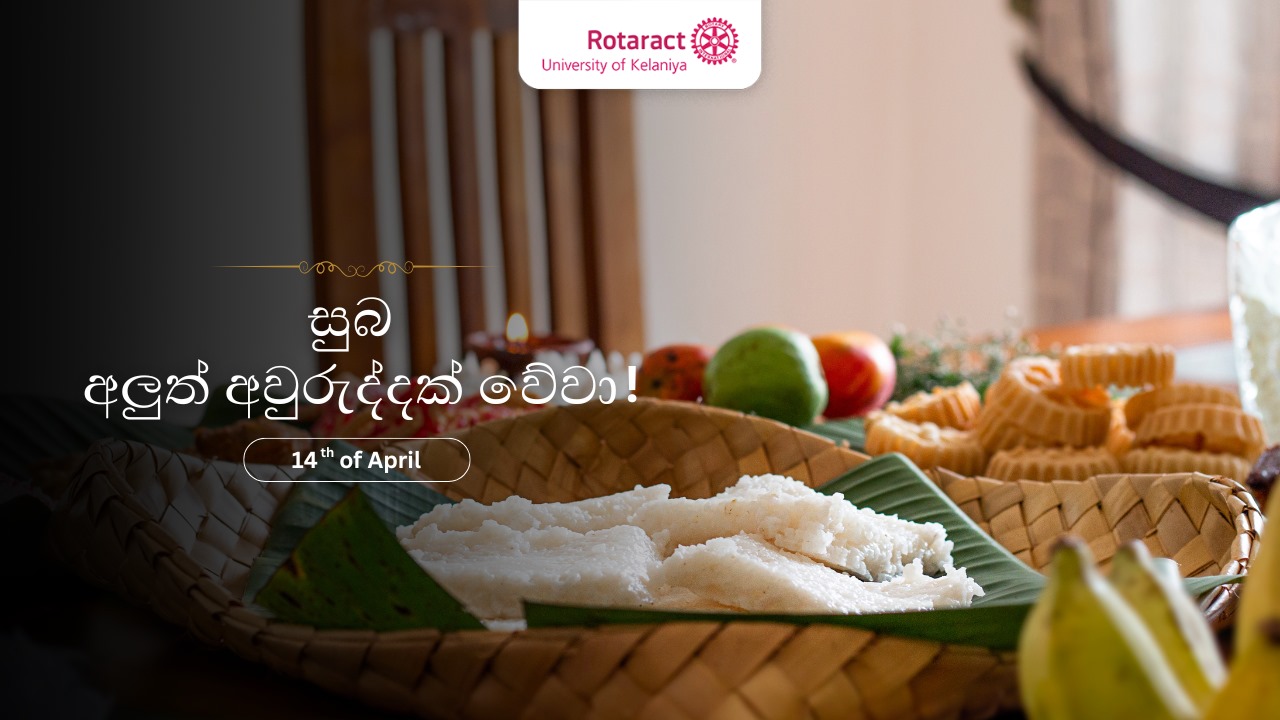
Despite cultural differences, both Sinhala and Tamil communities engage in remarkably similar customs during the Sinhala and Hindu New Year, reflecting deep-rooted values of unity and family. Homes are cleaned and decorated to welcome prosperity, and milk is boiled over as a symbol of abundance. At the auspicious time, the hearth is often lit by the matriarch,, signifying new beginnings. Families prepare and share traditional sweets like kevum, kokis, aluwa, and laddu, while the first transactions of the year, known as Ganu Denu, are made to invite good fortune. Anointing with herbal oils is performed for health and blessings, and visiting relatives with gifts helps strengthen familial ties. Though symbolic, each of these rituals serves a larger purpose: reconnecting with tradition, honoring age-old values, and nurturing communal harmony.

As modern life races forward, the Sinhala and Hindu New Year remains a timeless anchor. It reminds us to pause, reconnect with our roots, appreciate the present, and enter a new year with renewed hope. In a diverse society like Sri Lanka’s, Avurudu is more than tradition—it is a beacon of unity and resilience.
May you have a happy and prosperous New Year! Suba Aluth Avuruddak Wewa! Iniya Puthandu Nalvazhthukkal!