
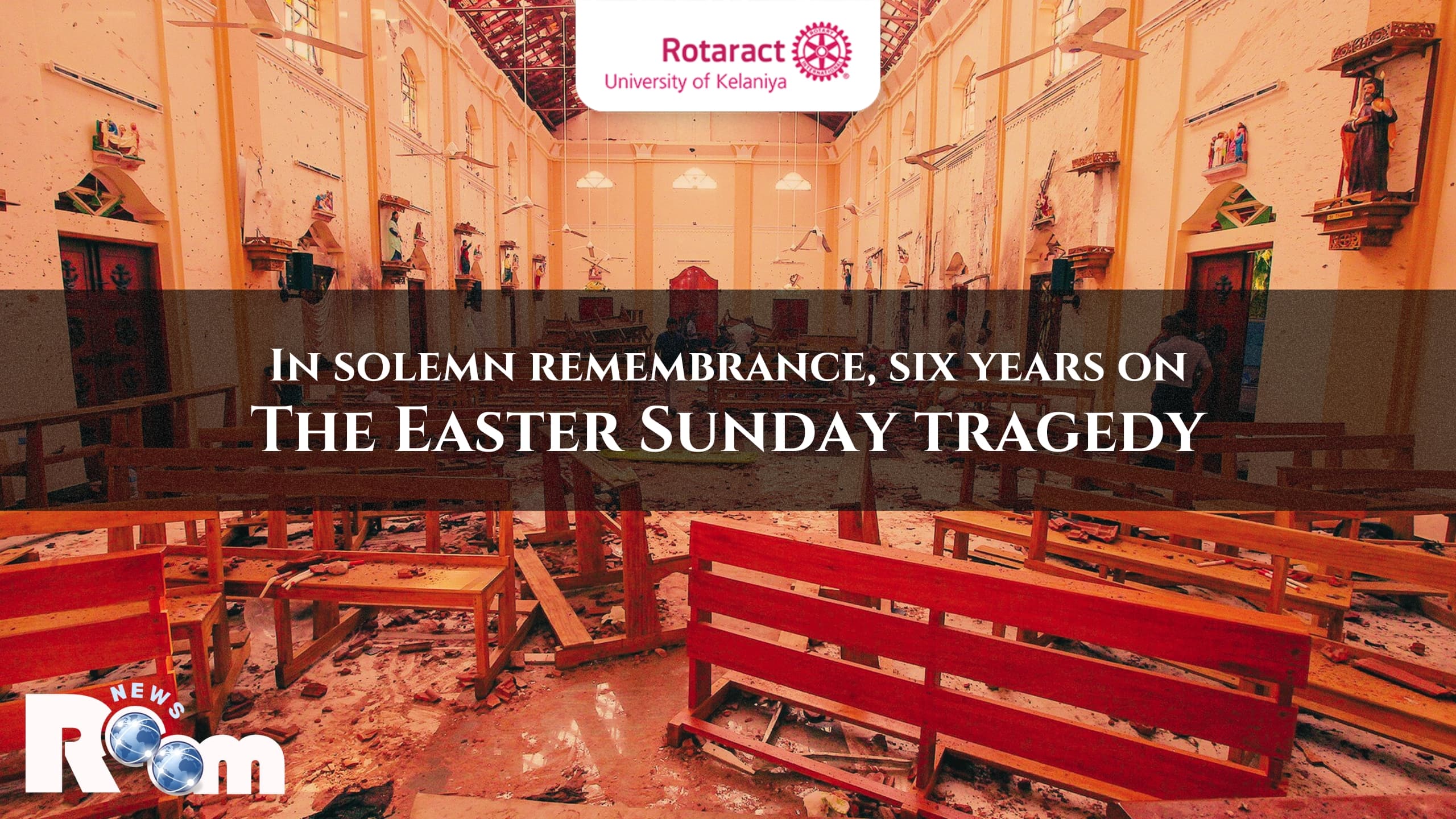
The morning of April 21, 2019, began with the gentle promise of Easter Sunday. Churches across Sri Lanka were filled with families celebrating the resurrection, a message of hope and renewal echoing through their hymns and prayers. But the joy was brutally shattered. In a series of coordinated attacks, suicide bombers targeted churches and luxury hotels, unleashing a wave of devastation that claimed hundreds of innocent lives and left an indelible scar on the nation’s soul.

Six years have passed since that horrific day, yet the echoes of the Easter Sunday attacks continue to resonate deeply within Sri Lankan society. The physical wounds may have healed for some, but the emotional and psychological trauma lingers for countless others – the families who lost loved ones, the survivors who bear witness to the carnage, and the entire nation grappling with the fragility of peace.
The immediate aftermath was a landscape of grief and confusion. The tight-knit communities, once vibrant with festive cheer, were plunged into mourning. The images of shattered churches and bloodied hotel lobbies seared themselves into the collective memory. The outpouring of international support and condolences offered a small measure of solace, but the pain of loss remained intensely personal and profound.
In the years that followed, the nation has embarked on a difficult journey of healing and accountability. Investigations have been launched, and questions continue to be raised about the failures that allowed such a tragedy to occur. The pursuit of justice for the victims and their families remains a crucial aspect of the healing process.
Beyond the legal and political ramifications, the Easter Sunday attacks served as a stark reminder of the ever-present threat of extremism and the importance of fostering unity and understanding across religious and ethnic divides. Sri Lanka, a nation with a rich tapestry of cultures and faiths, was forced to confront the fault lines that can be exploited by those who seek to sow discord and violence.
The anniversary of the attacks is not merely a day of remembrance; it is also a time for reflection and recommitment. It is a moment to honor the memory of those who were lost by working towards a future where such senseless violence is never repeated. It necessitates strengthening social cohesion, promoting interfaith dialogue, and addressing the root causes of extremism.
The resilience of the Sri Lankan people has been evident in the years since the attacks. Despite the profound grief and the challenges that followed, communities have come together to support one another. Acts of compassion and solidarity have offered glimpses of hope amidst the darkness.
As the sixth anniversary arrives, the nation stands at a crossroads. The lessons learned from the Easter Sunday attacks must not be forgotten. The pursuit of truth, justice, and reconciliation remains paramount. By remembering the past with honesty and facing the future with courage and unity, Sri Lanka can strive to build a more peaceful and secure society for all its people, ensuring that the echoes of that tragic Easter Sunday serve as a constant reminder of the preciousness of life and the enduring need for peace.