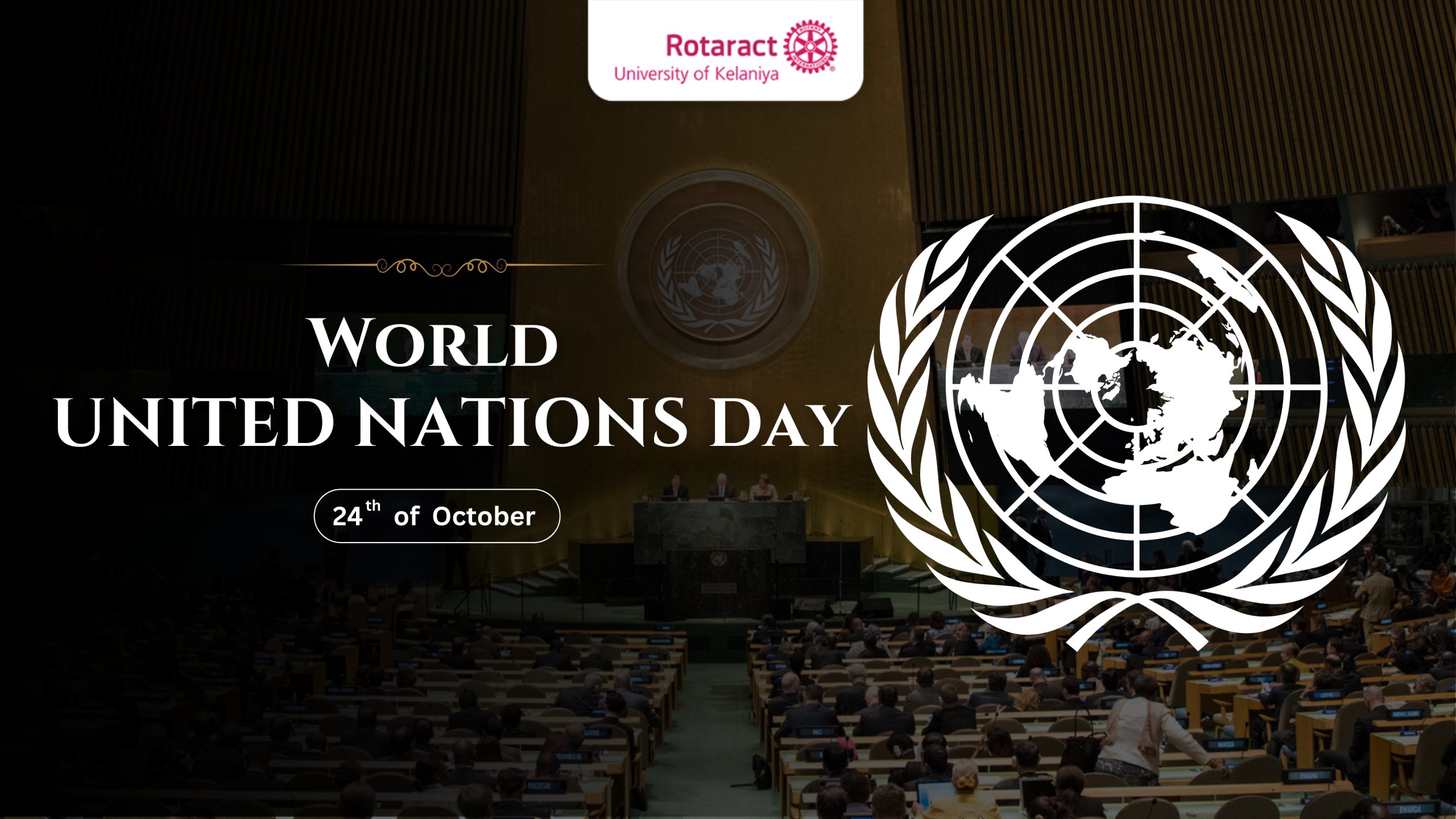
United Nations Day is an annual commemorative day, celebrated on 24 October, marks the anniversary of the entry into force in 1945 of the UN Charter.
On 24 October 1945, this condition was fulfilled and the UN officially came into existence. Four years of planning and the hope of many years had materialized in an international organization designed to end war and promote peace, justice, and better living for all humankind.
The UN has designated the theme of UN 2024 as International Year of Camelids noting that camelids are an important livelihood for millions of poor families that live in the most hostile ecosystems of the earth.
The first event called “United Nations Day” was a World War II Allies’ day of solidarity and military parades launched by US President Franklin D. Roosevelt tied to US Flag Day on 14 June 1942, six months after the Declaration by United Nations. It was observed in New York City as the “New York at War” parade, in London, and by the Soviet and Chinese governments.

It was observed throughout World War II, during 1942–1944. Prior to the foundation of the UN itself, it was not directly connected to the current international observance.
U.N. Day has traditionally been marked throughout the world with meetings, discussions and exhibits about the achievements and goals of the organization. In 1971, the General Assembly recommended that member states observe it as a public holiday.
Several international schools throughout the world would also celebrate the diversity of their student body on United Nations Day (although the event is not necessarily celebrated on 24 October). Celebrations often include a show of cultural performances in the evening and a food fair, where food is available from all over the world.
In the more than seven decades since its creation, the United Nations has focused on new challenges, such as youth, gender equality, climate change, big data for the SDGs, and AIDS, in order to find solutions and encourage action.
The UN continues to promote justice and international law across its three pillars of work: international peace and security, economic and social progress and development, and respect for human rights and fundamental freedoms.
As we celebrate United Nations Day, it’s important to recognize the UN’s enduring role in addressing global challenges like climate change, conflict, and poverty. In today’s interconnected world, no country can solve these issues alone. The UN provides a vital platform for international cooperation, fostering dialogue and collective action through initiatives such as the Sustainable Development Goals (SDGs), which aim to create a more just and sustainable future for all.
Despite global complexities, the UN remains essential in promoting peace, security, and human rights. On this day, we are reminded of the value of multilateralism and shared responsibility in building a more equitable and peaceful world. By continuing to support the UN’s mission, we contribute to a future where nations collaborate to overcome common challenges and secure the well-being of generations to come.