
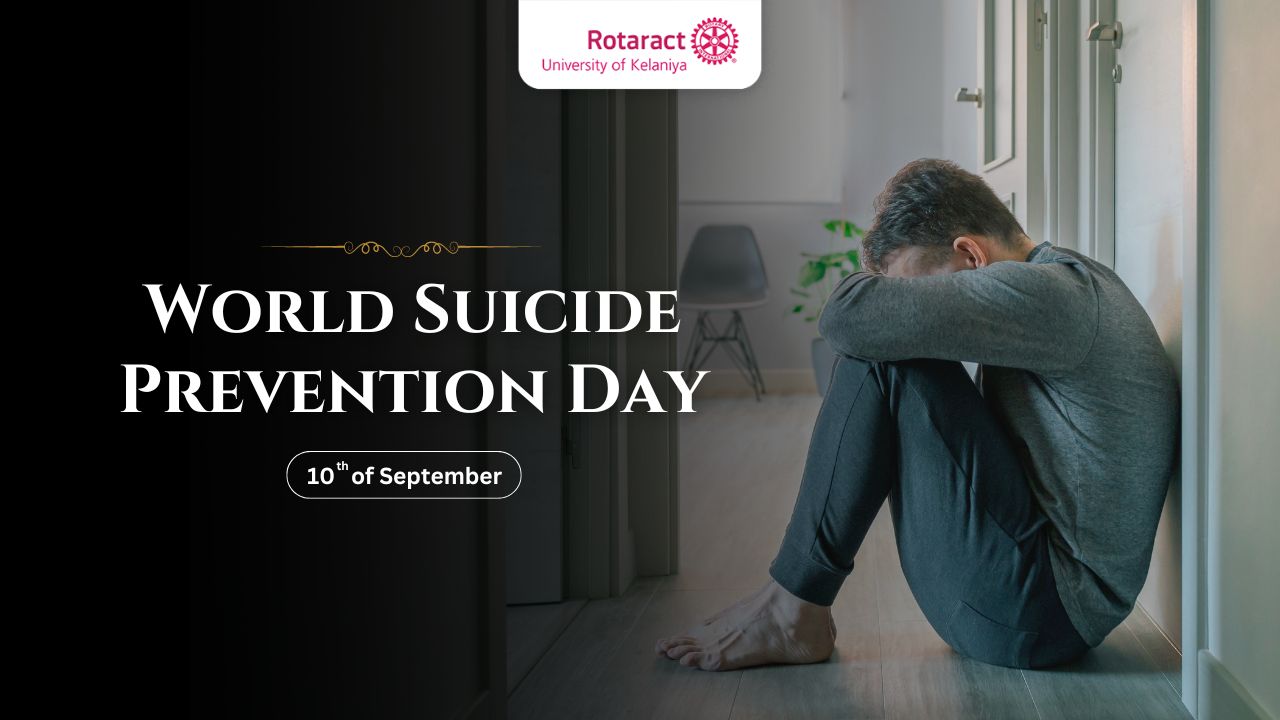
Imagine walking through a thick dark forest. The shadows of the forest are thick enough to move forward, and the path seems almost impossible to navigate. Considering the mental levels of people, this forest represents the mental and emotional scene of a person contemplating suicide. It indicates living with a clouded mind and dashed hopes. Suicide is the act of intentionally ending one’s life. It is often the culmination of deep emotional turmoil and suffering. It is not just a moment of despair, but a complex interplay of factors that lead the person to realize that their situation is insurmountable. There are many factors that contribute to suicide. These conditions can be caused by a variety of factors, including mental illness, depression, isolation or anxiety, personal trauma, chronic illness, and grief or financial hardship.

Mental health disorders are a significant factor in suicidal ideation. For example, depression brings constant feelings of sadness, hopelessness, and worthlessness. When these feelings become overwhelming, people may see suicide as a way to escape the relentless pain. Similarly, anxiety disorders can cause constant fear and feelings of helplessness. When these feelings become uncontrollable, suicide may be seen as a solution to the ongoing stress and discomfort.
Traumatic experiences also play a critical role in suicidal thoughts. People who have endured physical, emotional, or sexual abuse often carry deep psychological scars that can cause feelings of shame and despair. Recent losses or events, such as the death of a loved one or the end of a significant relationship, as well as grief and the inability to cope, increase the risk of suicide.
Chronic illness and pain further contribute to suicide risk. When faced with chronic, debilitating illness or severe pain, individuals may experience a significant reduction in their quality of life. If these conditions seem unbearable or untreatable, suicide may be considered as a way out of the ongoing suffering. Sociology takes a prominent place there.
Social and environmental factors such as isolation and loneliness make individuals feel disconnected and inadequate. A lack of social support can make it difficult to find hope and meaning, increasing the risk of suicide. Financial and employment problems, including unemployment, stress, or heavy debt, can also contribute to feelings of hopelessness and despair, and suicide appears to be a way out of these economic difficulties.
Suicide prevention consists of a range of strategies and actions designed to reduce the incidence of suicide by addressing its underlying causes and supporting those at risk. It includes identifying early warning signs such as significant changes in behavior, mood swings or expressions of hopelessness and offering timely intervention. Effective prevention includes fostering a supportive environment through mental health education and reducing stigma, making it easier for individuals to seek help.
Helping to prevent suicide includes several critical steps. First, recognizing the warning signs is essential. That is, early intervention can be done through behavior modification, emotional distress, or attention to withdrawal. Providing support through open, non-judgmental dialogue and encouraging people to seek professional help can also make a significant difference. Promoting mental health awareness in communities, schools and workplaces, and using resources such as emergency hotlines, ensure that those in need receive timely help.
World Suicide Prevention Day (WSPD) is observed annually on 10 September. It was established in 2003 by the International Association for Suicide Prevention (IASP) in collaboration with the World Health Organization (WHO). This global initiative was created to raise awareness about suicide and its prevention, and emphasizes the need for collective action to address this urgent public health problem.
A suicide prevention day is important for several reasons. It helps raise awareness in society about the importance of recognizing and responding to mental health and suicidal behaviour. By discussing suicide openly, it often helps to reduce the stigma surrounding mental health issues and makes it easier for individuals to seek help. Overall, Suicide Prevention Day plays a critical role in raising awareness, promoting support, and strengthening community efforts to address and prevent suicide. In fact, there is no need for a day to start a discussion about this in the society, but if you can spare time for your loved ones, can not these problems be solved to a large extent?
“Suicide doesn’t end pain. It causes pain to those who love you. There is always another way, another chance and another moment to find hope. Be patient, because.. your life is more important than you think.”