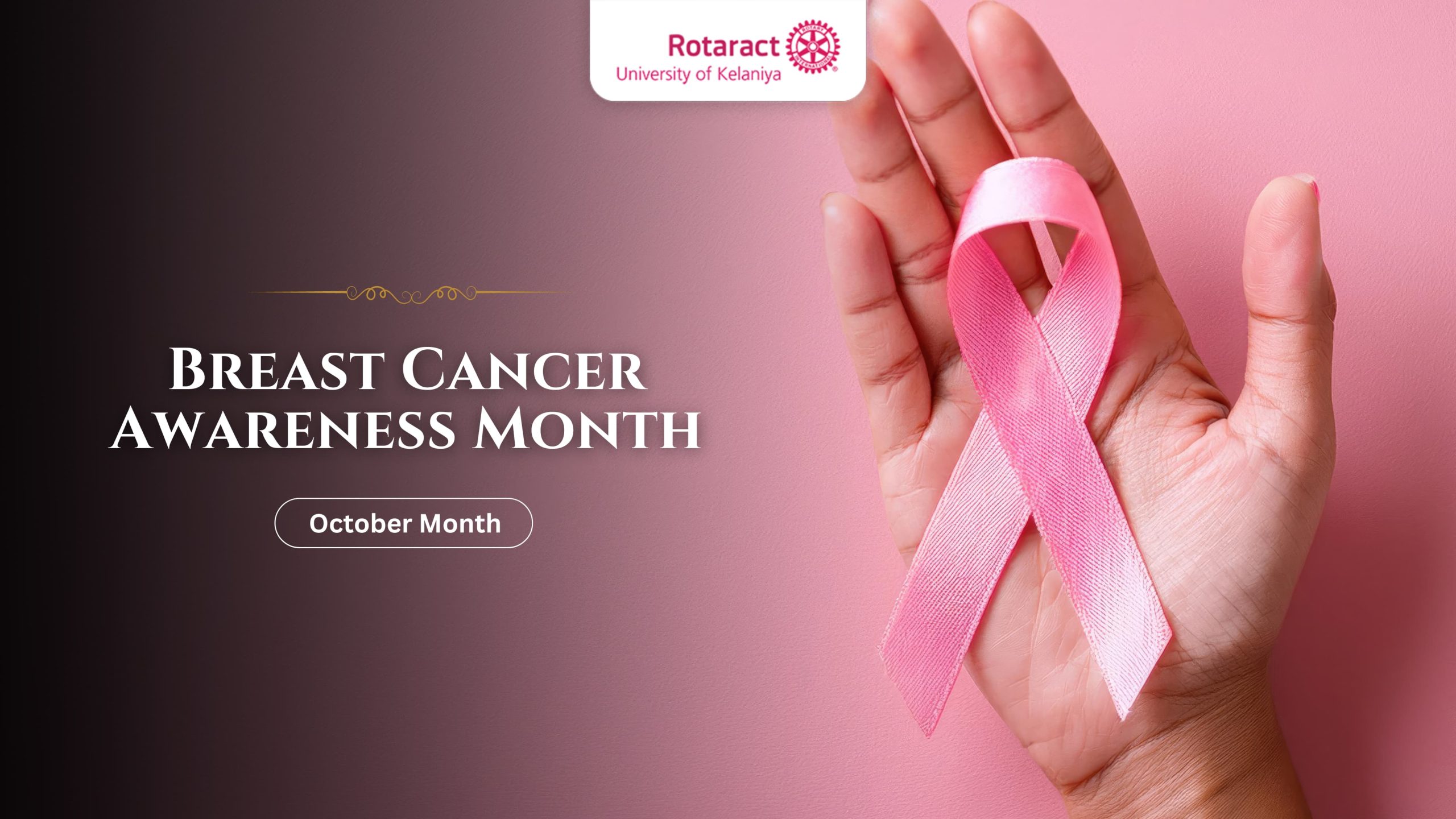
“A pink ribbon is more than a symbol; it’s a reminder of our shared humanity and our unwavering support for those affected by breast cancer.”
What is Breast Cancer Awareness Month?
Breast Cancer Awareness Month is an international health campaign that’s held every October. The month aims to promote screening and prevention of the disease, which affects 2.3 million women worldwide. Known best for its pink theme color, the month features a number of campaigns and programs that are conducted by groups ranging from breast cancer advocacy organizations to local community organizations to major retailers aimed at:
- Supporting people diagnosed with breast cancer, including those with metastatic breast cancer.
- Educating people about breast cancer risk factors.
- Encouraging women to go for regular breast cancer screening starting at age 40 or earlier, depending on personal breast cancer risk.
- Fundraising for breast cancer research.

What is breast cancer?
Breast cancer occurs when abnormal cells in the breast grow out of control. The cells usually form a tumor that can often be seen on an X-ray or felt as a lump. If spread outside the breast to other parts of the body, it becomes advanced breast cancer. When breast cancer spreads to other parts of the body (such as the liver, lungs, bones, or brain), it is said to have metastasized and is referred to as metastatic breast cancer.
Who is at risk?
Female gender is the strongest breast cancer risk factor. Approximately 99% of breast cancers occur in women and 0.5-1% of breast cancers occur in men. The treatment of breast cancer in men follows the same principles of management as for women. Certain factors increase the risk of breast cancer including:
- Increasing age
- Obesity
- Harmful use of alcohol
- Family history of breast cancer
- History of radiation exposure
- Reproductive history (such as the age that menstrual periods began and age at first pregnancy)
- Tobacco use
- Postmenopausal hormone therapy
Approximately half of breast cancers develop in women who have no identifiable breast cancer risk factor other than gender (female) and age (over 40 years). A family history of breast cancer increases the risk of breast cancer, but most women diagnosed with breast cancer do not have a known family history of the disease. Lack of a known family history does not necessarily mean that a woman is at reduced risk.
Breast Cancer In Men
Many people don’t know that men can get breast cancer, But everyone has breast tissue. Breast cancer in men is cancer that starts in a small amount of breast tissue. Breast cancer in men is rare. Most men are diagnosed over the age of 60, but younger men can also get breast cancer.
Signs and symptoms
Most people will not experience any symptoms when the cancer is still early hence the importance of early detection. Breast cancer can have combinations of symptoms, especially when it is more advanced. Symptoms of breast cancer can include:
- A breast lump or thickening, often without pain.
- Change in size, shape, or appearance of the breast.
- Dimpling, redness, pitting, or other changes in the skin.
- Change in nipple appearance or the skin surrounding the nipple (areola).
- Abnormal or bloody fluid from the nipple.
People with an abnormal breast lump should seek medical care, even if the lump does not hurt. Most breast lumps are not cancer. Breast lumps that are cancerous are more likely to be successfully treated when they are small and have not spread to nearby lymph nodes.
Treatment
Treatment for breast cancer depends on the subtype of cancer and how much it has spread outside of the breast to lymph nodes (stages II or III) or to other parts of the body (stage IV). Doctors combine treatments to minimize the chances of the cancer coming back (recurrence). These include:
- Surgery to remove the breast tumor.
- Radiation therapy to reduce recurrence risk in the breast and surrounding tissues.
- medications to kill cancer cells and prevent spread, including hormonal therapies, chemotherapy, or targeted biological therapies.
Treatments for breast cancer are more effective and are better tolerated when started early and taken to completion. Surgery may remove just the cancerous tissue (called a lumpectomy) or the whole breast (mastectomy). Surgery may also remove lymph nodes to assess the cancer’s ability to spread. Radiation therapy treats residual microscopic cancers left behind in the breast tissue and/or lymph nodes and minimizes the chances of cancer recurring on the chest wall.
Advanced cancers can erode through the skin to cause open sores (ulceration) but are not necessarily painful. Women with breast wounds that do not heal should seek medical care to have a biopsy performed. Medicines to treat breast cancers are selected based on the biological properties of the cancer as determined by special tests (tumor marker determination). The great majority of drugs used for breast cancer are already on the WHO Essential Medicines List (EML).
The effectiveness of breast cancer therapies depends on the full course of treatment. Partial treatment is less likely to lead to a positive outcome.
Breast cancer prevention and symptoms
An estimated 30% of breast cancer cases are attributed to modifiable risk factors, We should understand what we can do to reduce our breast cancer risk. It can be done by making better behavioral choices which include:
- Maintaining a healthy weight
- Staying physically active
- Avoiding harmful use of alcohol
- Breastfeeding
- Quitting tobacco use and avoiding exposure to tobacco smoke
- Avoiding the prolonged use of hormones
- Avoiding excessive exposure to radiation
Survival rates for breast cancer are very high when the cancer is detected early and where treatment is available. The five-year breast cancer survival rates exceed 90% in high-income countries, compared to 66% in India and 40% in South Africa. Unfortunately, many breast cancer cases are diagnosed at an advanced stage in many low- and middle-income countries, when the cancer is more difficult to treat, is more expensive to do so, and is usually incurable. Despite advances and progress seen in breast cancer in recent years, current data highlights that by 2040, breast cancer incidence will increase by 40%, and mortality is expected to increase by 50%, with a disproportionate number of cases and deaths expected to occur in low-resource settings.
WHO response
The objective of the WHO Global Breast Cancer Initiative (GBCI) is to reduce global breast cancer mortality by 2.5% per year, thereby averting 2.5 million breast cancer deaths globally between 2020 and 2040. Reducing global breast cancer mortality by 2.5% per year would avert 25% of breast cancer deaths by 2030 and 40% by 2040 among women under 70 years of age. The three pillars toward achieving these objectives are:
- Health promotion for early detection
- Timely diagnosis
- Comprehensive breast cancer management
By providing public health education to improve awareness among women of the signs and symptoms of breast cancer and, together with their families, understand the importance of early detection and treatment, more women would consult medical practitioners when breast cancer is first suspected, and before any cancer present is advanced. This is possible even in the absence of mammographic screening which is impractical in many countries at the present time.