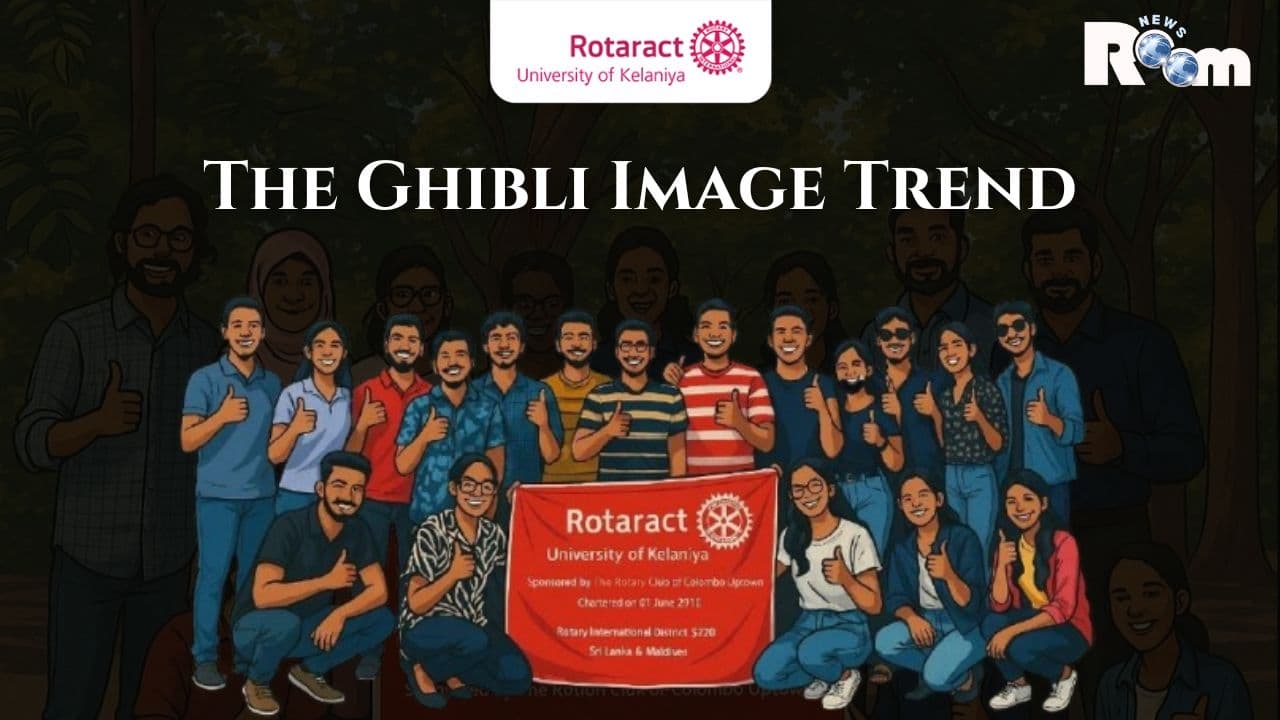
The internet is no stranger to trends that blend nostalgia with modern technology, and the recent Ghibli Image Trend is the latest sensation capturing the hearts of anime lovers and digital artists alike. The Ghibli Image Trend refers to a viral movement where people use AI tools, digital editing techniques, and filters to turn their personal photos into vibrant, anime-like illustrations that mirror the signature art style of Studio Ghibli. These images feature the signature soft colors, painterly textures, and warm lighting that define the beloved animation studio’s aesthetic.
Social media platforms such as TikTok, Instagram, and Twitter have been flooded with these transformations, with users applying Ghibli-style filters to landscapes, selfies, and even historical landmarks. Some digital artists take it a step further, manually painting over photos to perfect the resemblance.

How the Trend Took Off
The trend gained traction as AI art tools like Photoshop’s generative fill, apps with anime filters, and platforms like Runway ML allowed users to effortlessly convert their images into stunning, film-like frames. Additionally, fan artists began sharing their own hand-drawn interpretations, further fueling the trend’s popularity. The widespread love for Ghibli films—known for their nostalgic charm, breathtaking backdrops, and deeply emotional storytelling—made this aesthetic transformation irresistible.
The Consequences & Dangers of the Ghibli Image Trend
While the trend is visually appealing and fun, it also raises several concerns:
1. Copyright & Ethical Concerns
Studio Ghibli has a distinct art style developed by its artists over decades. The use of AI to replicate this style blurs the lines between homage and intellectual property infringement. If AI tools train on copyrighted artwork without permission, it raises ethical and legal questions about originality and fair use.
2. The AI vs. Human Artist Debate
Many traditional and digital artists argue that AI-generated art undermines their work, as it automates styles that artists spend years mastering. Trends like this risk diminishing appreciation for the effort and skill behind hand-drawn illustrations, making it harder for independent artists to receive recognition and fair compensation.
3. Data Privacy Risks
AI-powered art generators often require users to upload personal photos. If these tools lack proper security measures, sensitive data could be stored, misused, or even sold to third parties. This poses a risk, especially when people upload personal or private images without considering the consequences.
4. The Spread of Deepfakes & Misinformation
As AI-generated images become more convincing, it becomes easier to manipulate photos in ways that could mislead viewers. While the Ghibli Image Trend is harmless fun, it highlights how AI can be used to create hyper-realistic but false imagery, which could contribute to misinformation if misused.
The Future of the Ghibli Image Trend
As AI and digital art continue to evolve, we can expect more trends that blend personal creativity with iconic art styles. While some purists argue that AI-generated art lacks the depth of traditional hand-drawn animation, others see it as an exciting way to engage with beloved artistic styles in new, interactive ways.
However, as AI tools become more sophisticated, the debate surrounding originality, ethics, and artistic integrity will only grow stronger. The key is finding a balance—celebrating creativity while ensuring artists and their work are respected and protected.
Whether this trend fades or transforms into something bigger, one thing is clear—Studio Ghibli’s influence remains timeless, continuing to inspire artists, dreamers, and now, an entire wave of AI-enhanced nostalgia.