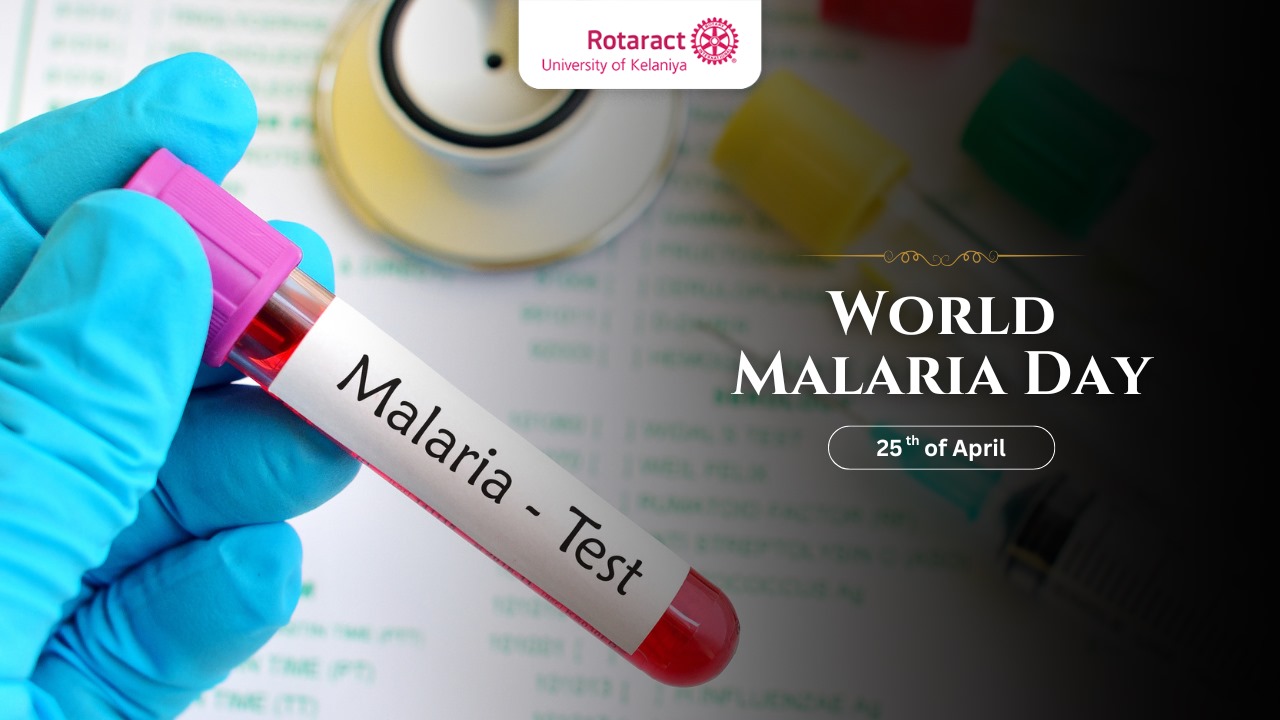
April 25th marks World Malaria Day, an annual global observance to raise awareness about malaria, a preventable and curable disease that continues to claim hundreds of thousands of lives each year. Established by the World Health Organization (WHO) in 2007, this day serves as a reminder of the ongoing global efforts to combat malaria and the progress that still needs to be made.
Why World Malaria Day Matters
Malaria is caused by Plasmodium parasites transmitted through the bites of infected female Anopheles mosquitoes. It disproportionately affects children under five and pregnant women, especially in sub-Saharan Africa. According to the WHO, in 2023 alone, there were over 240 million cases and more than 600,000 deaths due to malaria.
Despite the grim statistics, malaria is entirely preventable and treatable. Tools such as insecticide-treated mosquito nets, indoor spraying, early diagnosis, and antimalarial medications have proven effective in reducing the disease burden.
Theme for 2025: “Malaria Ends with Us: Reinvest, Reimagine, Reignite.”
This theme emphasizes the need for renewed global commitment, innovative strategies, and increased investment to accelerate progress towards eliminating malaria. It calls for action at all levels, from international policy to local community initiatives. It also recognizes the tireless work of healthcare workers, researchers, and volunteers who fight this disease on the frontlines.
Global and Local Efforts
Over the years, coordinated global campaigns like Roll Back Malaria and Zero Malaria Starts with Me have mobilized communities and leaders to take action. In countries where malaria is endemic, integrated programs combining public health education, environmental management, and treatment accessibility have made a significant impact.
On a local scale, governments, NGOs, and individuals play a vital role in educating communities, distributing mosquito nets, and ensuring that medical supplies reach rural and underserved areas.
The Road Ahead
Eradicating malaria is not just a health challenge, it’s a humanitarian imperative. With climate change expanding mosquito habitats and drug resistance on the rise, the world must stay committed to research, innovation, and equitable healthcare systems.
This World Malaria Day, let us reaffirm our commitment to a malaria-free world. Every effort counts, every life matters.