
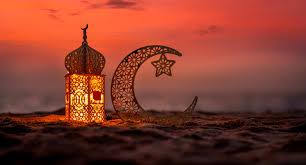
There’s a certain quiet magic in the morning of Eid-ul-Fitr. After a month of discipline, reflection and restraint, the day arrives not with noise, but with a gentle sense of fulfillment. It’s not just the end of Ramadan, it’s the reward that follows patience.
Eid-ul-Fitr traces its origins back to the early days of Islam, when the Prophet Muhammad introduced it in Medina after the first fasting month of Ramadan was observed. It was meant to replace earlier local festivals with something more meaningful centered on gratitude, faith and unity. From then on, it became a day not just of celebration, but of purpose, reminding people that joy is most powerful when it is shared.
For many today, Eid begins before sunrise. Homes stir early with preparation, the scent of sweet dishes filling the air, new clothes laid out carefully, and a shared excitement that feels both personal and communal. The special prayer that marks the day brings people together, shoulder to shoulder, reinforcing a sense of equality and belonging.
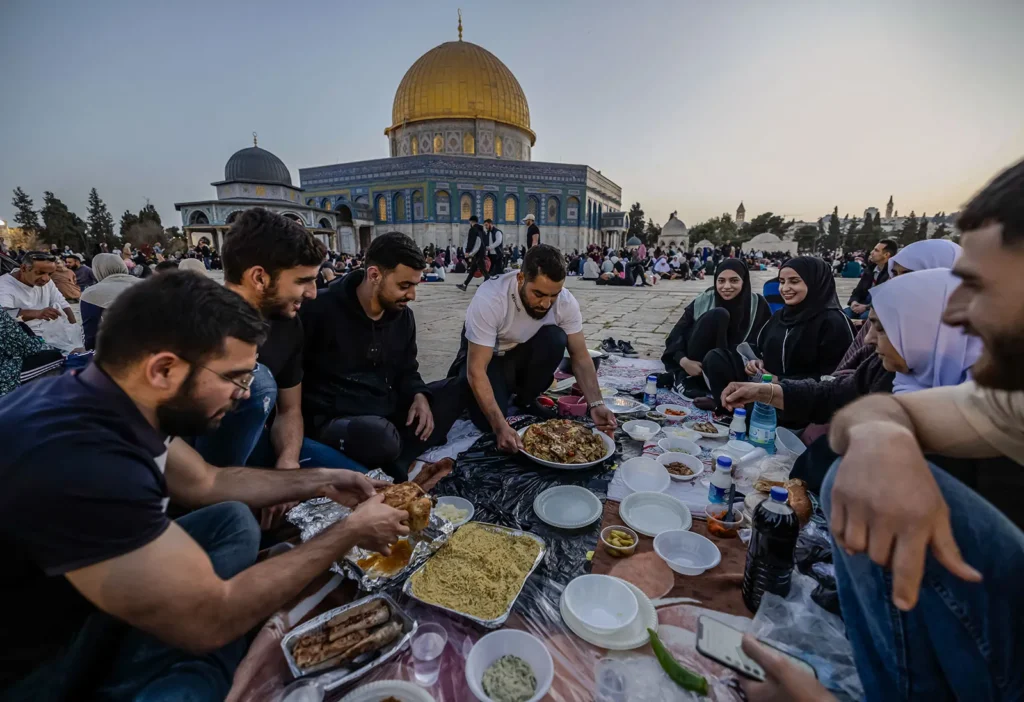
What makes Eid-ul-Fitr truly meaningful isn’t just the celebration itself, but the journey that leads to it. Ramadan teaches self-control, empathy and mindfulness. It’s a time when people grow more aware of those around them, especially those less fortunate. This spirit carries into Eid through acts of charity, ensuring that everyone can take part in the happiness of the day.
Beyond traditions and rituals, Eid is deeply human. It’s in the laughter of children receiving gifts, in the warmth of families reuniting, in the simple act of sharing a meal. It’s also a moment to mend relationships, to forgive and to begin again with a lighter heart.
As the day winds down, what lingers is more than just celebration, it’s a quiet sense of peace. Eid-ul-Fitr isn’t just a date on the calendar; it’s a feeling that stays, long after the day itself has passed.