
For thirty-nine unforgettable days, the world stopped to watch a ball roll across sixteen stadiums in three countries. The 2026 FIFA World Cup, jointly hosted by the United States, Mexico and Canada, was more than a football tournament; it was a celebration of unity, ambition and the simple joy of the beautiful game.
This edition of the World Cup carried a sense of history from the very first whistle. For the first time ever, three nations opened their doors together to host the tournament, and for the first time, 48 teams took the field instead of the usual 32. That meant 104 matches instead of the familiar 64, stretching the tournament into the longest World Cup ever played. From the historic Estadio Azteca in Mexico City, where the tournament began with Mexico taking on South Africa, to the final whistle at MetLife Stadium in New Jersey, every match told its own story of hope, heartbreak and heroism.
What made this World Cup so special was not just its size, but its spirit. Teams like Iraq, Austria, Norway, Scotland and the Czech Republic returned to the world stage after decades away, some after twenty years, some after nearly sixty, reminding us that football has room for old dreams and new beginnings alike. Meanwhile, familiar giants like Argentina, defending their 2022 title, and Spain, chasing redemption after years of near misses, carried the weight of their nations’ hopes through every group match and knockout round. Even host nations had their own fairy tales to chase; the United States fought its way to the Round of 16 before bowing out to Belgium, while Canada and Mexico gave their home crowds nights to remember.
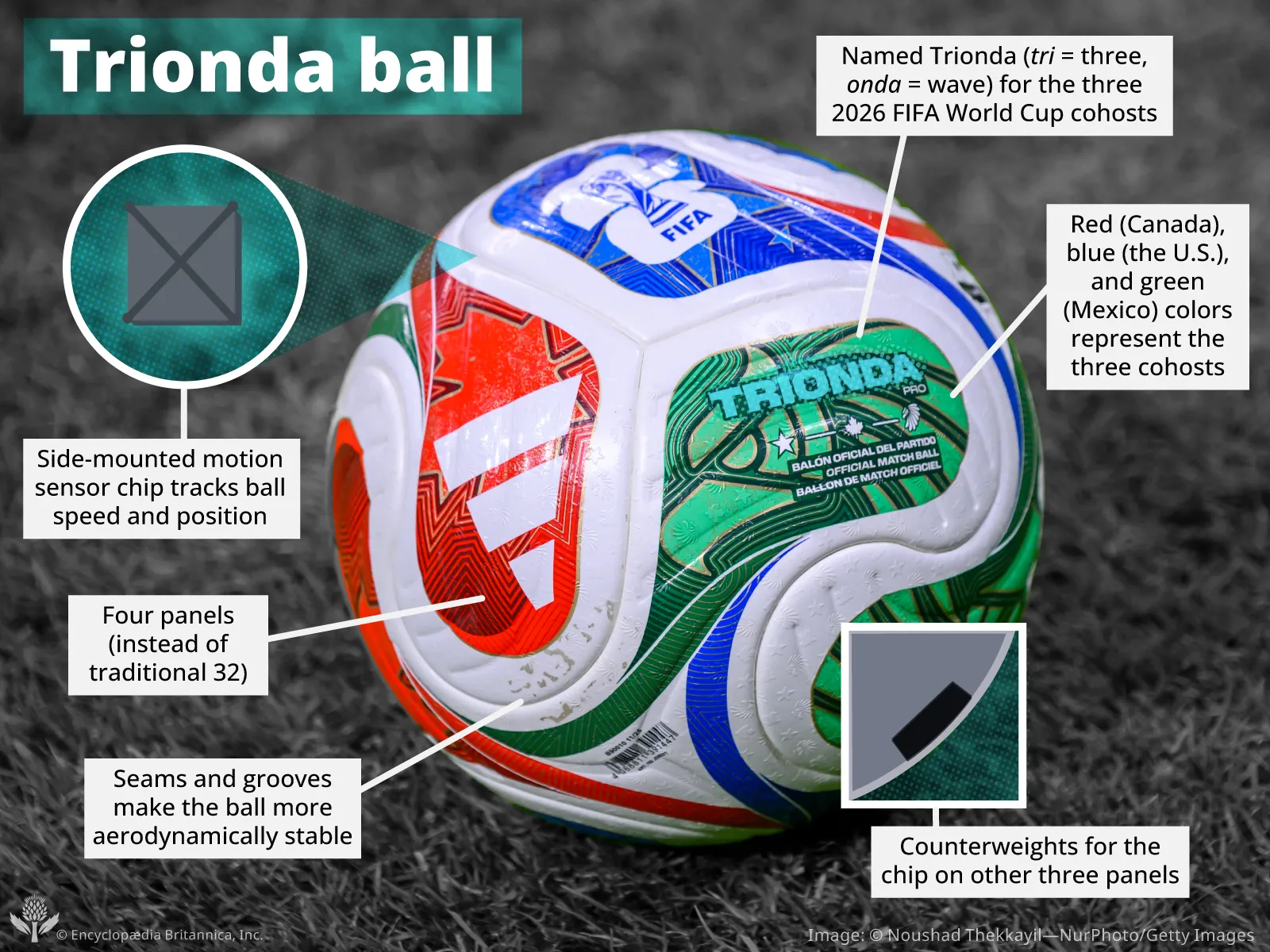
And then came the final. On a hot July evening at MetLife Stadium, in front of more than eighty thousand fans, Spain and Argentina delivered a match that will be remembered for generations. Ninety minutes of pure tension ended goalless, Spain dominating possession while Argentina held firm, forcing the game into extra time. It was there, in the 106th minute, that substitute Ferran Torres rose to the moment and struck the goal that would decide it all. Spain won 1-0, lifting the trophy for the second time in their history, first in 2010 and now in 2026, becoming the only nation to hold both the men’s and women’s World Cup titles at once.
For Lionel Messi, this final marked his third appearance in a World Cup showdown, a feat no other player has achieved. Though Argentina fell short of becoming the first team to defend the title since Brazil in 1962, the tournament once again proved why Messi remains one of the greatest to ever play the game. On the other side, Spain’s coach Luis de la Fuente, at 65 years old, became the oldest coach in history to guide a team to World Cup glory, a beautiful reminder that big dreams have no age limit and that patience, too, can wear a crown.
Beyond the scoreline, this World Cup will be remembered for its firsts. It was the longest tournament in history, the largest in number of teams, and the first to feature a halftime show at the final, turning football’s biggest night into a true global spectacle watched by millions. Cities across three countries opened their arms to fans from every corner of the world, filling parks, subways and bars with songs in dozens of languages, proving that football truly is a universal language that needs no translation.
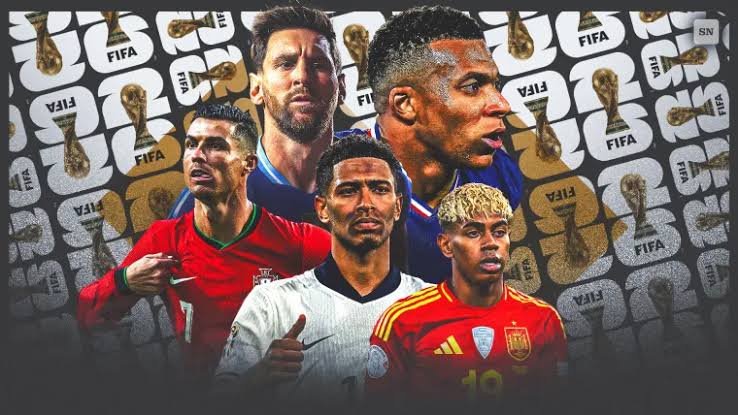
As the confetti settled over New Jersey and Spain’s players embraced beneath the trophy lights, one thing became clear: the World Cup is never just about who wins. It is about the journey, the passion of fans singing for the same love in different tongues, and the belief that on any given day, on any given pitch, history can be written by anyone bold enough to chase it.
The 2026 FIFA World Cup may have ended, but its stories, of comebacks, heartbreaks, records broken and dreams fulfilled, will live on until the next ball is kicked in 2030.