
Every third Saturday in September, along shorelines around the world, something remarkable happens. Volunteers, non-profit organizations, university groups and community groups come together to clean the coastal areas. This year, Coastal Cleanup Day falls on September 19th.
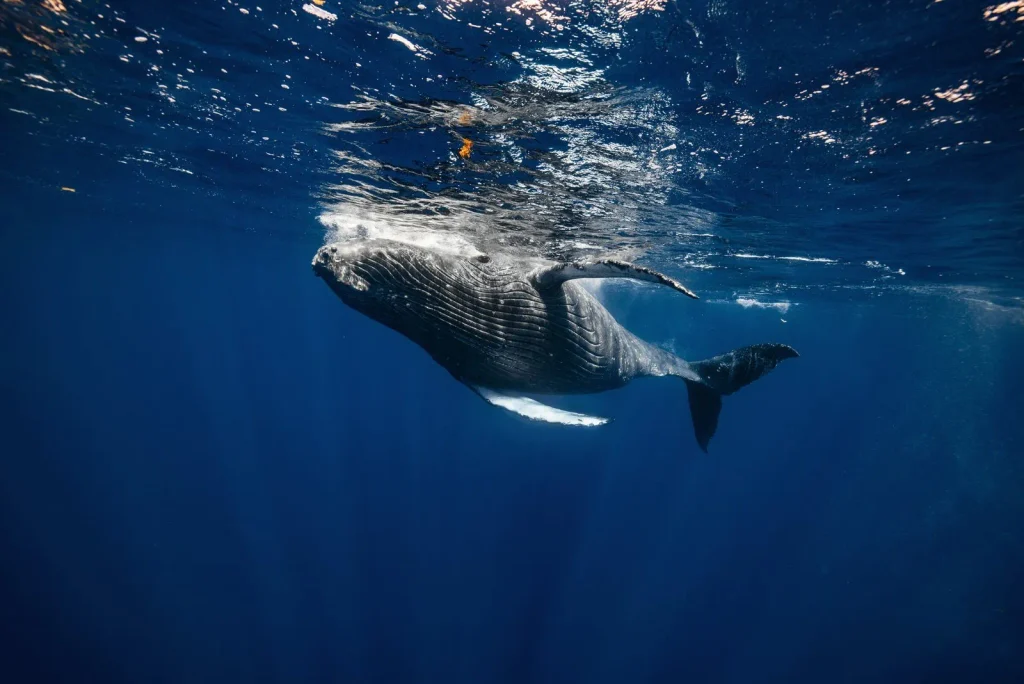
Coastal Areas are important regions along the earth’s shorelines. They consist of recreational beaches, harbours and residential and industrial areas. They host diverse ecosystems like beaches, mangroves and coral reefs.They are vital to biodiversity, climate regulation and human livelihoods but face threats from erosion, pollution and climate change.
Coastal cleanup refers to removing trash and pollutants like plastics, fishing gear, litter, industrial debris from beaches, shorelines and nearshore water. Coastal cleanup projects are usually led by volunteers, environmental organisations or government agencies. These initiatives protect marine ecosystems, improve coastal habitats and raise public awareness about pollution. It helps to restore the ecological health and aesthetic quality of coastal areas and safeguard marine life.
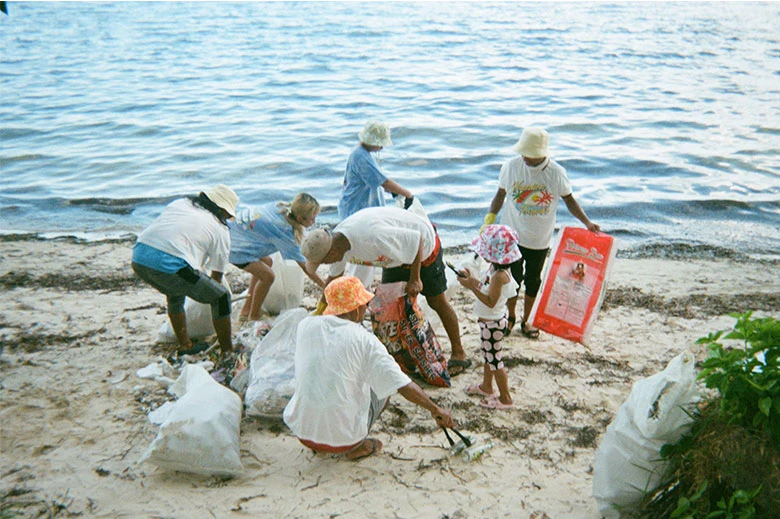
A few hours of cleanup might not seem like much, but Coastal Cleanup Day has been one of the largest citizen science initiatives in the world for over 40 years. Coastal Cleanup Day is about more than just collecting bottles and wrappers. While volunteers remove litter from beaches and shorelines, many also record the types of waste they find. The collected data is remarkably consistent, with plastic items such as cigarette butts, plastic bottles, bottle caps, food wrappers and straws among the most common forms of debris. This information does not simply remain in a spreadsheet. It contributes to scientific research and informs policy discussions, helping decision makers develop effective solutions to pollution.
Imagine hundreds of cleanup sites becoming active across a region in a single morning.
Local groups often build their own themes and goals around the day. The best part is that you do not need any special equipment or experience to take part.
No single day of cleanup will solve ocean pollution on its own. But it proves something important: when people give some time to caring for their local coastline, the result is not only a cleaner shore but also valuable data that helps identify the sources of pollution.
It’s a small act. It may seem like a small act, but when multiplied by millions of people, small actions can create meaningful change.