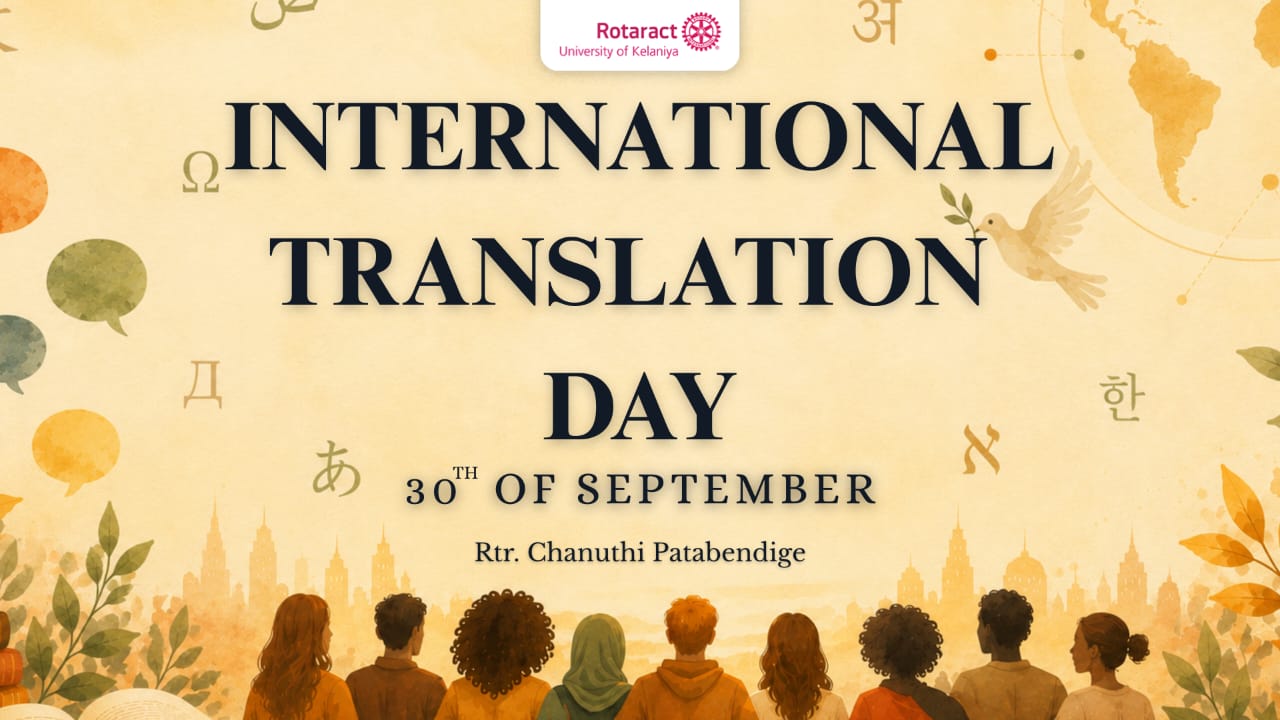
Every year on the 30th of September, the world celebrates International Translation Day. It recognises the vital role of translators and interpreters in bringing people and ideas closer together. This day is an opportunity to appreciate the professionals who work behind the scenes to overcome linguistic barriers and facilitate communication across borders.Translation is far more than converting words from one language to another. It requires an understanding of culture, context, history and human expression. A skilled translator preserves not only the meaning of a message, but also its intention and cultural significance. In an increasingly interconnected world, this work is essential in areas such as diplomacy, international business, education, science, law, media and humanitarian cooperation.
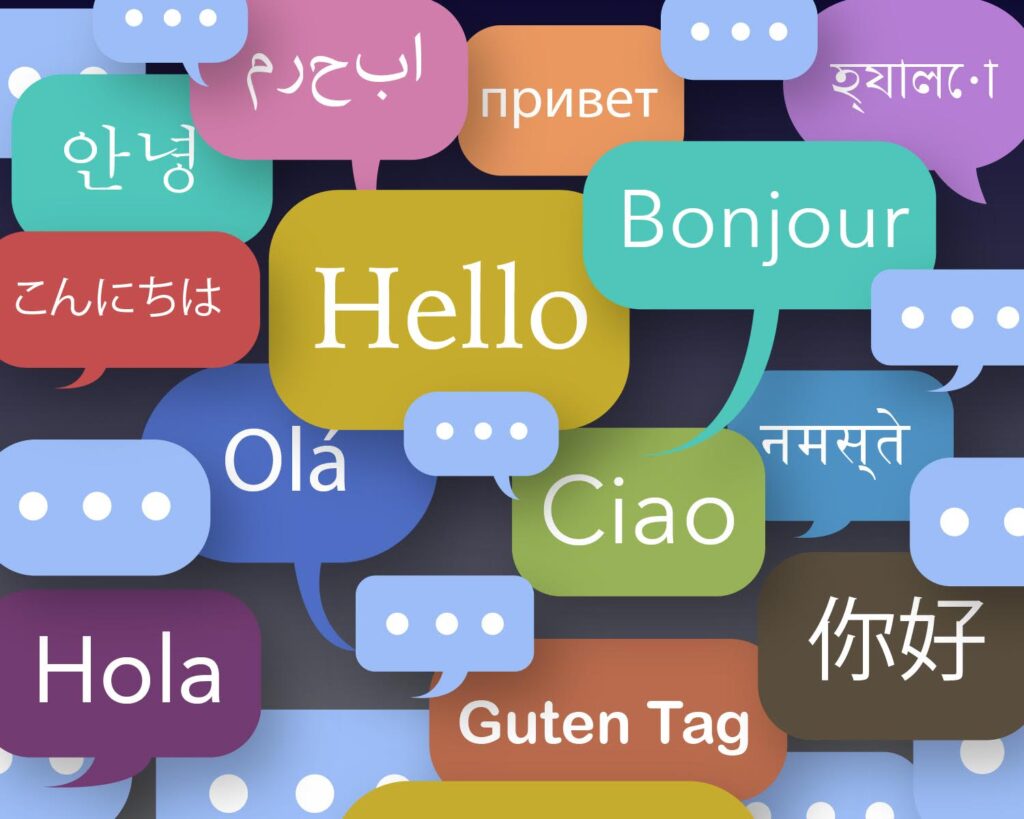
International Translation Day is observed on the 30th of September because it coincides with the feast day of Saint Jerome. Saint Jerome was a Christian scholar and translator, traditionally regarded as the patron saint of translators. His work translating the Bible into Latin reflects the long-standing importance of translation in making knowledge accessible to wider communities.
The theme of translation also carries particular significance in multicultural and multilingual societies such as Sri Lanka, where Sinhala, Tamil and English are widely used. Effective translation can promote mutual respect, understanding, inclusion and equal access to information among different linguistic communities. Accurate translation can help ensure that language does not become a barrier in understanding rights and duties, especially in legal and governmental contexts.
As technology continues to transform communication, Artificial Intelligence is becoming increasingly influential in translations. However, human translators remain essential for a better understanding of cultural context and meaning that technology may overlook.
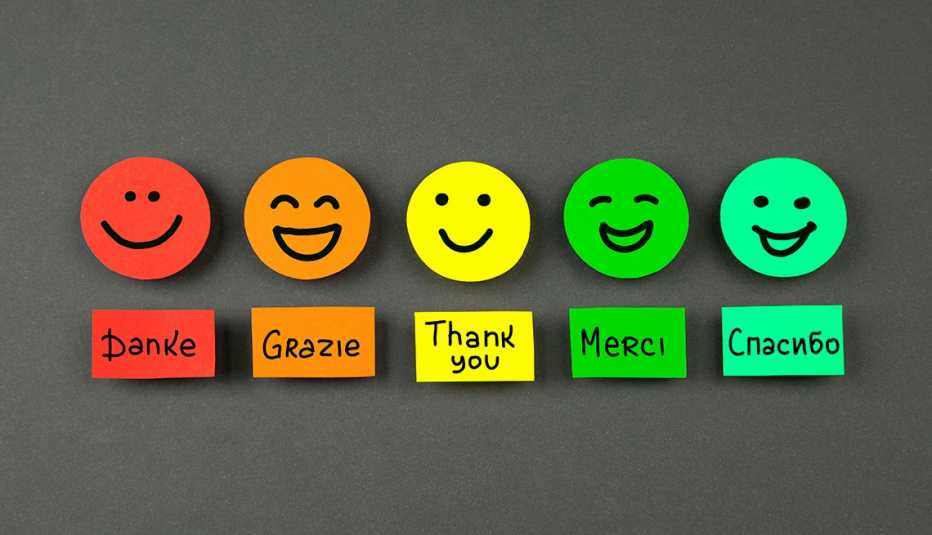
International Translation Day therefore reminds us that languages may differ, but communication can always connect us. By recognising the work of translators, we celebrate not only language itself, but also the understanding, cooperation and unity that translation makes possible.