“A system of government by the whole population or all the eligible members of a state, typically through elected representatives.”

This is how the Oxford Dictionary defines democracy. Simply, democracy gives people rights such as the right to vote, the right to equality and freedom of expression. This word comes from the Greek terms demos (people) and kratos (rule), which means that political authority originates from the people.
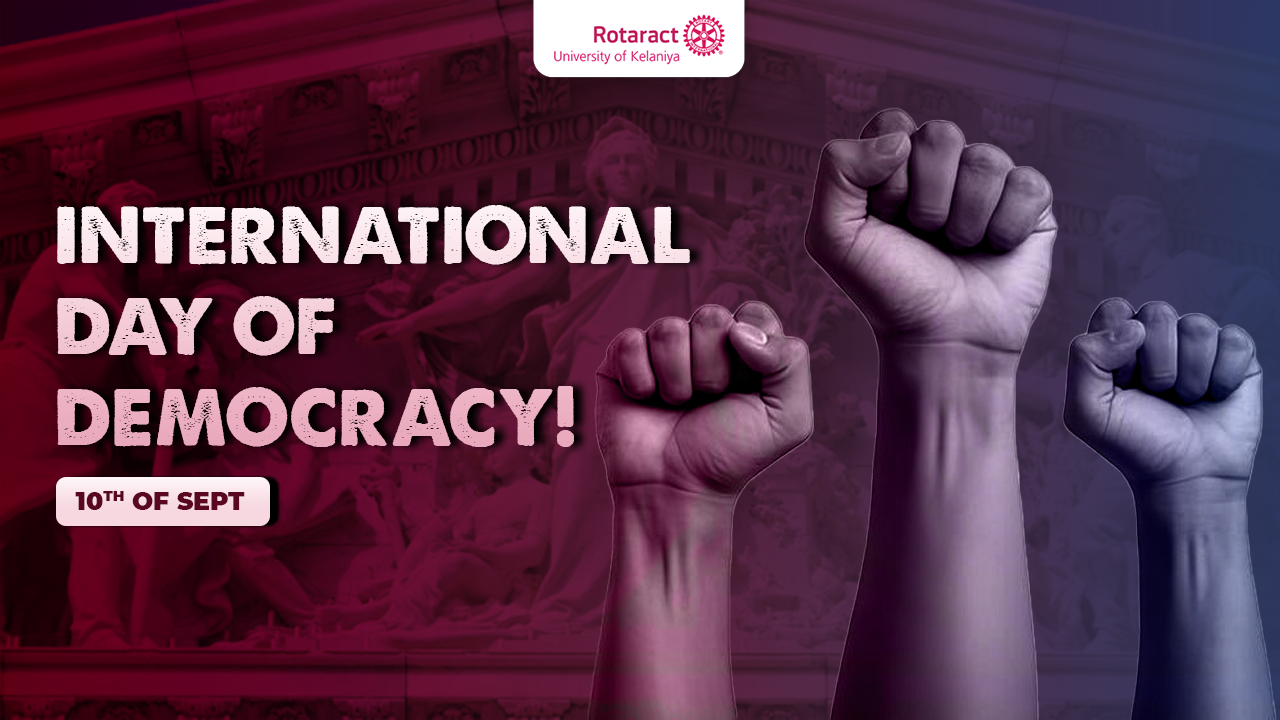
On the 15th of September each year, we celebrate the International Day of Democracy, established by the United Nations in 2007.
In 2025, the International Day of Democracy is themed “Achieving Gender Equality, Action by Action.”

Celebrating this day across the world spreads awareness about respecting human rights, freedom and justice. It is a reminder to every citizen about their rights. Democracy gives power to every citizen, so they are the ones who give power to the government. No government has power on its own. The basic level of democracy works through fair elections. People vote for their representatives, and these representatives make decisions on behalf of those who voted for them. Democracy is not only about voting but also about the rights and freedoms mentioned above. Everyone’s voice should count and even minority groups must be respected.
There are two main ways to understand democracy: procedural democracy and substantive democracy. Procedural democracy is about rules and processes, for example, elections. Substantive democracy is about the fairness of the system. Both make democracy strong.
Modern democracy also requires active participation. Citizens need to stay informed, join discussions and sometimes protest or campaign to make sure leaders listen to their needs. A free press, open debates and transparency in government help people know what is happening and stop corruption.
Today, democracy faces many challenges, such as inequality, misinformation and declining trust in institutions. Yet, it remains one of the best ways to balance freedom, equality and justice. Democracy is not perfect but it improves when people actively take part in it. It is both a form of government and a way of life built on respect, dialogue and shared responsibility.