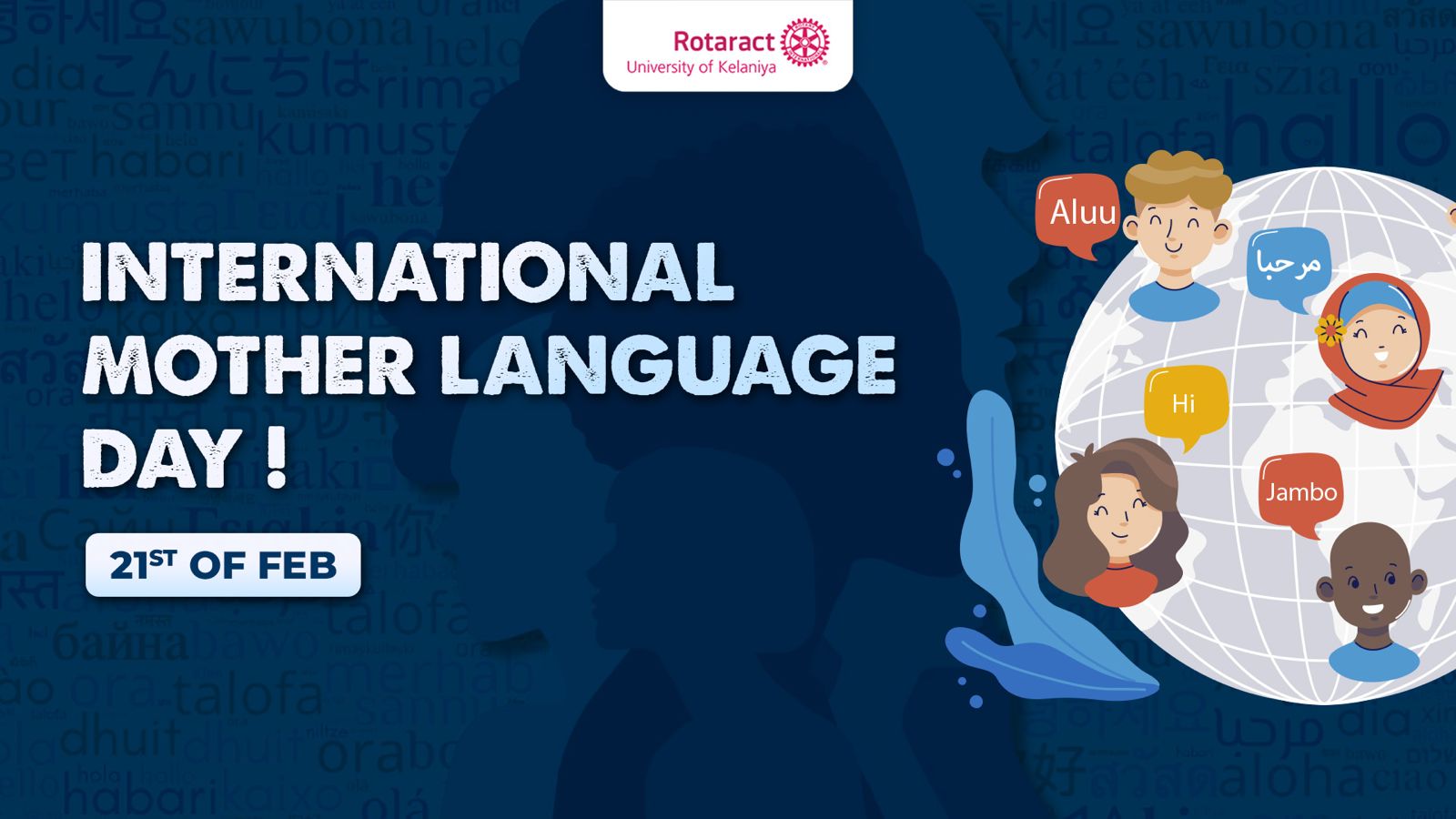
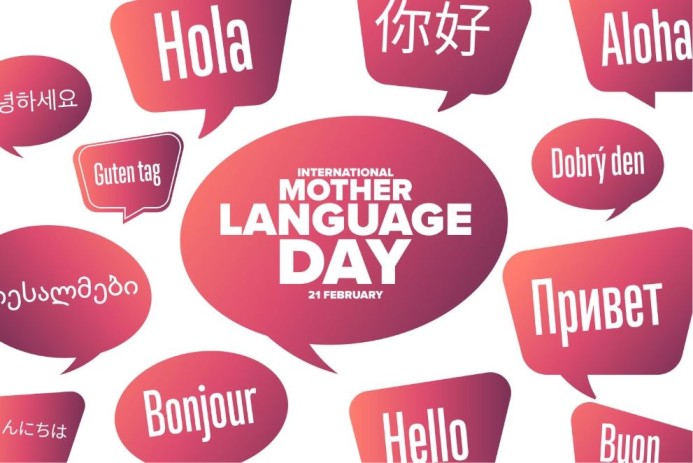
Language is more than just words we speak, it is the heartbeat of identity, culture and memory. Every year on 21st February, the world observes International Mother Language Day, a reminder of how deeply language shapes who we are and how we connect with others. It is not just a celebration, but also a call to protect the voices that are slowly fading away.
The idea of this day traces back to Bangladesh, where in 1952, students sacrificed their lives to defend their mother tongue, Bengali. Their courage later inspired UNESCO to declare this day in 1999, recognizing the importance of linguistic diversity across the world. Since then, it has become a global observance, highlighting the need to preserve languages that carry centuries of history, tradition and knowledge.
In today’s fast-moving digital world, dominant languages often overshadow smaller or indigenous ones. Many children grow up speaking global languages for education or work, while their native languages slowly become less common in daily life. When a language disappears, it is not just words that are lost, it is stories, traditions, songs and a unique way of understanding the world.
Mother languages are the first bridge between a child and their surroundings. They are the language of lullabies, family conversations and childhood memories. They shape thinking, emotions and cultural identity in a way no other language can fully replace. That is why preserving them is not only about communication, but about protecting heritage itself.
International Mother Language Day encourages us to respect all languages equally, no matter how widely or rarely they are spoken. It also reminds governments, educators and communities to promote multilingual education, so children can learn in their mother tongue while also gaining access to global opportunities.
But preservation does not only depend on institutions, it begins with us. Speaking our native language at home, teaching it to younger generations and valuing it in everyday life are small but powerful actions. Even using it in writing, songs or digital platforms can help keep it alive in a modern world.
At its core, this day is a celebration of diversity. Just as no two people are the same, no two languages carry the same rhythm, emotion or soul. Protecting them means protecting humanity’s shared richness.
As we move forward in an increasingly connected world, International Mother Language Day reminds us of something simple yet powerful: when a language lives, a culture breathes.