Imagine a beautiful garden full of white roses, and among them, there stands a single blood-red rose. What catches your attention? It’s the red rose, isn’t it? Why? Because it looks unique, differently beautiful, and truly one in a million. Just like the red rose, among thousands of people, only one individual is gifted with Down syndrome. Isn’t that a miracle?
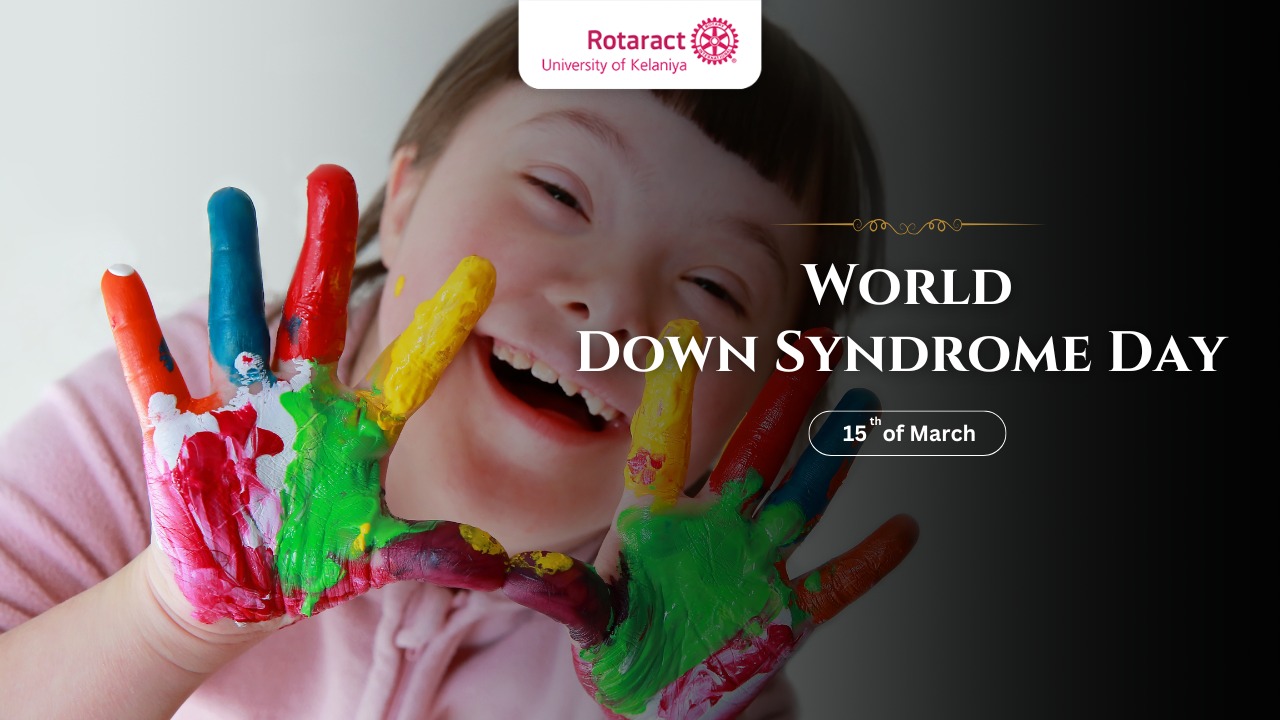
In human cells, chromosomes determine much about our appearance—our eye color, hair color, and even our height. Babies are born with 23 chromosomes from their mother and 23 from their father. However, some special babies are born with another extra chromosome. When this happens, it’s called Down syndrome. These lucky babies need to be celebrated, and the world does just that on March 21 every year with World Down Syndrome Day.

Down syndrome is not an illness, and it cannot be spread. These children are just like everyone else—they love to go to school, sing, dance, and play. Sometimes, they may need special care, like princes and princesses, and they absolutely deserve it because they are unique. However, they may also have other health conditions such as heart defects, digestive issues, vision and hearing problems, and an increased risk of certain cancers and autoimmune disorders.
World Down Syndrome Day is a day to honor their achievements, celebrate their lives, and acknowledge the contributions they make to our world. One popular way people show their support is by wearing brightly colored socks. This act symbolizes chromosomes and is a simple but powerful way to express solidarity and love for those with Down syndrome.
Ultimately, Down syndrome is not an illness—it’s simply a unique gift. What we need to do is treat these individuals equally, support them, and love them for their individuality and special qualities.