
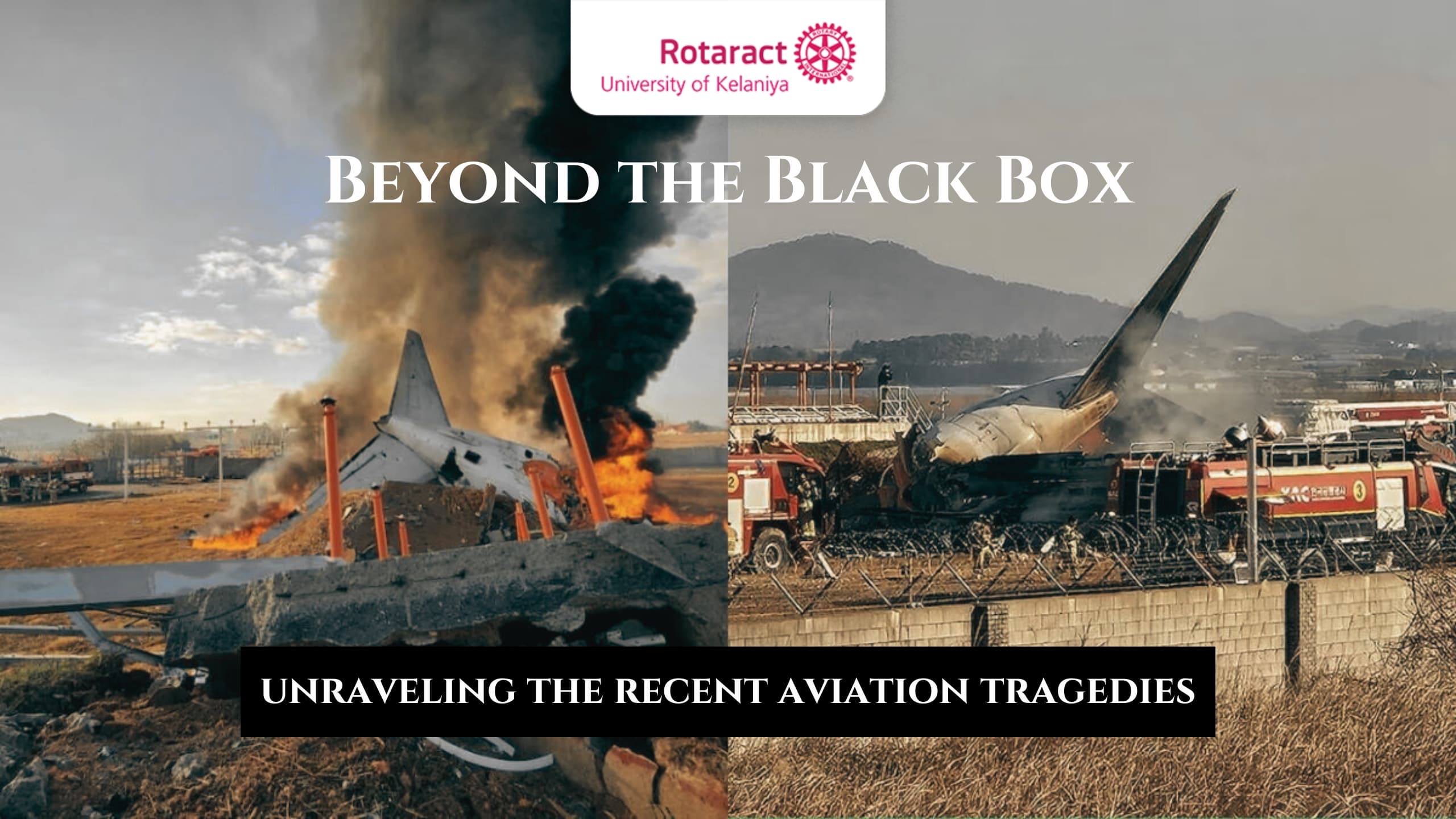
In the world of aviation, the black box is often the silent witness, recording every detail leading to a disaster. However, beyond the black box lies the human stories and the lessons waiting to be learned. Recent plane crashes have once again reminded us of the fragility of air travel and the need for vigilance in safety measures. Let’s take a closer look at three incidents that have shaped discussions about aviation safety in recent weeks.
Azerbaijan Airlines Crash in Kazakhstan
On December 25, 2024, Azerbaijan Airlines Flight J2-8243, an Embraer 190, met a tragic end in Kazakhstan. Battling harsh weather conditions and a suspected bird strike, the aircraft crashed during landing. The incident claimed the lives of both pilots but miraculously left all 29 passengers unharmed. The heroic efforts of the pilots to stabilize the plane in the face of overwhelming odds were widely recognized. This crash highlights the ongoing risks posed by environmental factors and the bravery required of aviation professionals in critical moments.

The Jeju Air Tragedy at Muan International Airport
On December 28, 2024, tragedy struck South Korea when Jeju Air Flight 7C2216, a Boeing 737-800, crashed during its landing attempt at Muan International Airport. Returning from Bangkok, the aircraft skidded off the runway, colliding with a concrete wall and bursting into flames. Out of the 181 people onboard, only two flight attendants seated at the rear of the plane survived. Investigations suggest a combination of mechanical failure and bird strikes near the airport as potential causes. This disaster has raised questions about airport infrastructure, as officials had reportedly been warned about the wall’s dangerous proximity to the runway.
Another Jeju Air Incident
Shockingly, just a day after the first Jeju Air crash, another Boeing 737-800 operated by the same airline faced a similar fate at Muan International Airport. This time, the aircraft skidded off the runway and hit a concrete barrier, eerily echoing the previous day’s disaster. Investigations are ongoing, but aviation experts are questioning whether systemic issues within the airline or airport contributed to these consecutive crashes.
Lessons to Be Learned
These incidents underscore the importance of rigorous safety protocols, from pilot training to airport infrastructure management. They also highlight the need for greater attention to environmental factors such as bird strikes and weather conditions, which remain significant threats to aviation safety.
As the black boxes from these flights reveal the technical details, the broader picture calls for accountability and action to prevent such tragedies in the future. The loss of lives and the stories of survival must serve as catalysts for change in the aviation industry, ensuring that every flight truly becomes a safe journey.
While the skies may seem unpredictable, every crash reminds us of the resilience and determination to make air travel safer for all.