
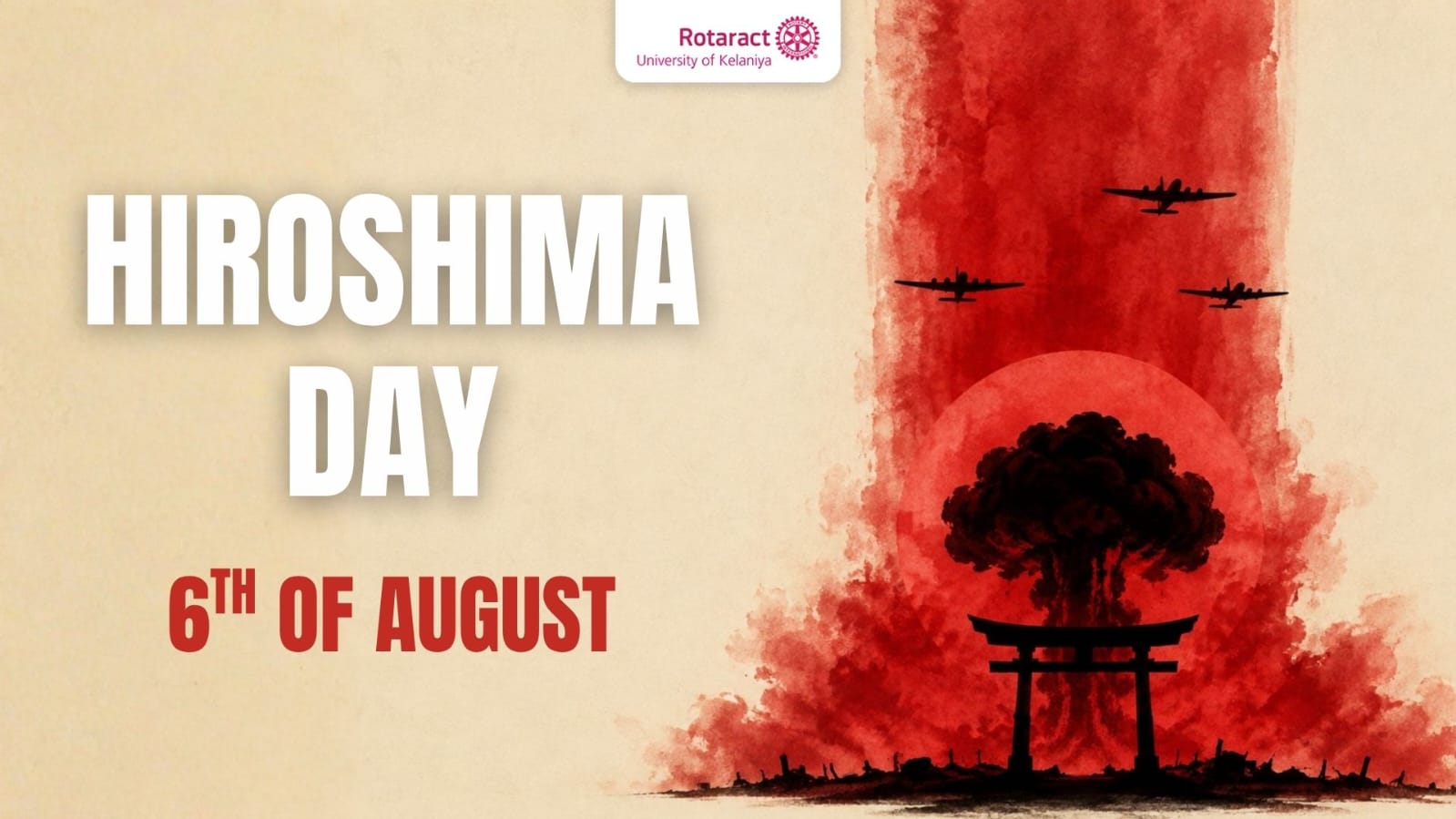
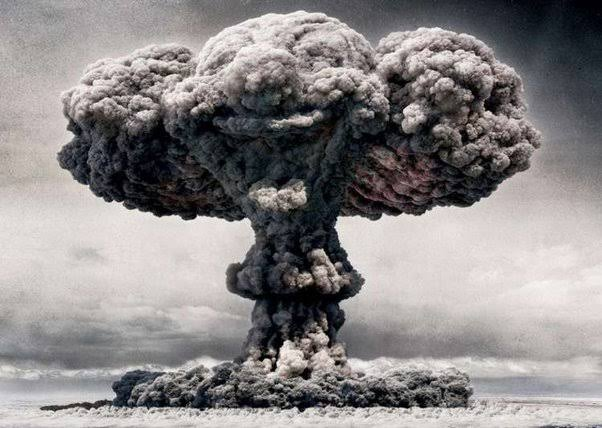
Every year on August 6th, people around the world observe Hiroshima Day to remember one of the most tragic events in human history. It is a day dedicated to honoring the victims of the atomic bombing of Hiroshima, Japan and reflecting on the devastating consequences of war. Hiroshima Day is not only a remembrance of the past but also a powerful reminder of the importance of peace, cooperation and protecting humanity from future disasters.
During the final stages of World War II, the world experienced one of the most destructive conflicts ever recorded. On August 6th, 1945, an atomic bomb was dropped on the city of Hiroshima by the United States. The explosion caused massive destruction within seconds, destroying buildings, damaging infrastructure and causing the loss of thousands of lives. Many people who survived the immediate impact later suffered from serious health problems due to radiation exposure. Three days later, another atomic bomb was dropped on Nagasaki, leading to Japan’s surrender and the end of World War II.
The impact of the Hiroshima bombing was not limited to the physical destruction of the city. It deeply affected generations of people who experienced the suffering caused by nuclear weapons. Survivors of the bombing, known as Hibakusha, shared their stories of pain, loss and survival to educate future generations about the dangers of nuclear warfare. Their experiences represent a strong message that the consequences of war are often carried by innocent civilians.
However, Hiroshima’s story is not only about tragedy. After the bombing, the city showed remarkable strength and determination to rebuild itself. Hiroshima transformed from a symbol of destruction into a symbol of peace and hope. Today, the Hiroshima Peace Memorial Park and Museum stand as reminders of the importance of remembering history and working toward a world without nuclear weapons.
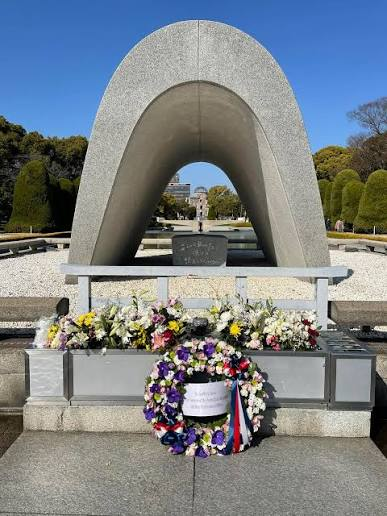
Hiroshima Day also encourages people to think about the value of human life and the responsibility of nations to maintain peace. In today’s world, where conflicts and tensions continue to exist, the lessons from Hiroshima remain highly relevant. The day reminds us that dialogue, understanding and cooperation are better solutions than violence and destruction.
For younger generations, Hiroshima Day provides an opportunity to learn from history and become advocates for peace. By understanding the suffering caused by past conflicts, people can develop greater respect for human rights and promote peaceful solutions to global challenges. Education and awareness play an important role in ensuring that such tragedies are never repeated.
In conclusion, Hiroshima Day is more than a day of remembrance; it is a global call for peace and humanity. The story of Hiroshima teaches us that the effects of war can last for generations, but hope and unity can help societies recover and move forward. By remembering the past and choosing peace, the world can work together to create a safer and more peaceful future for everyone.