
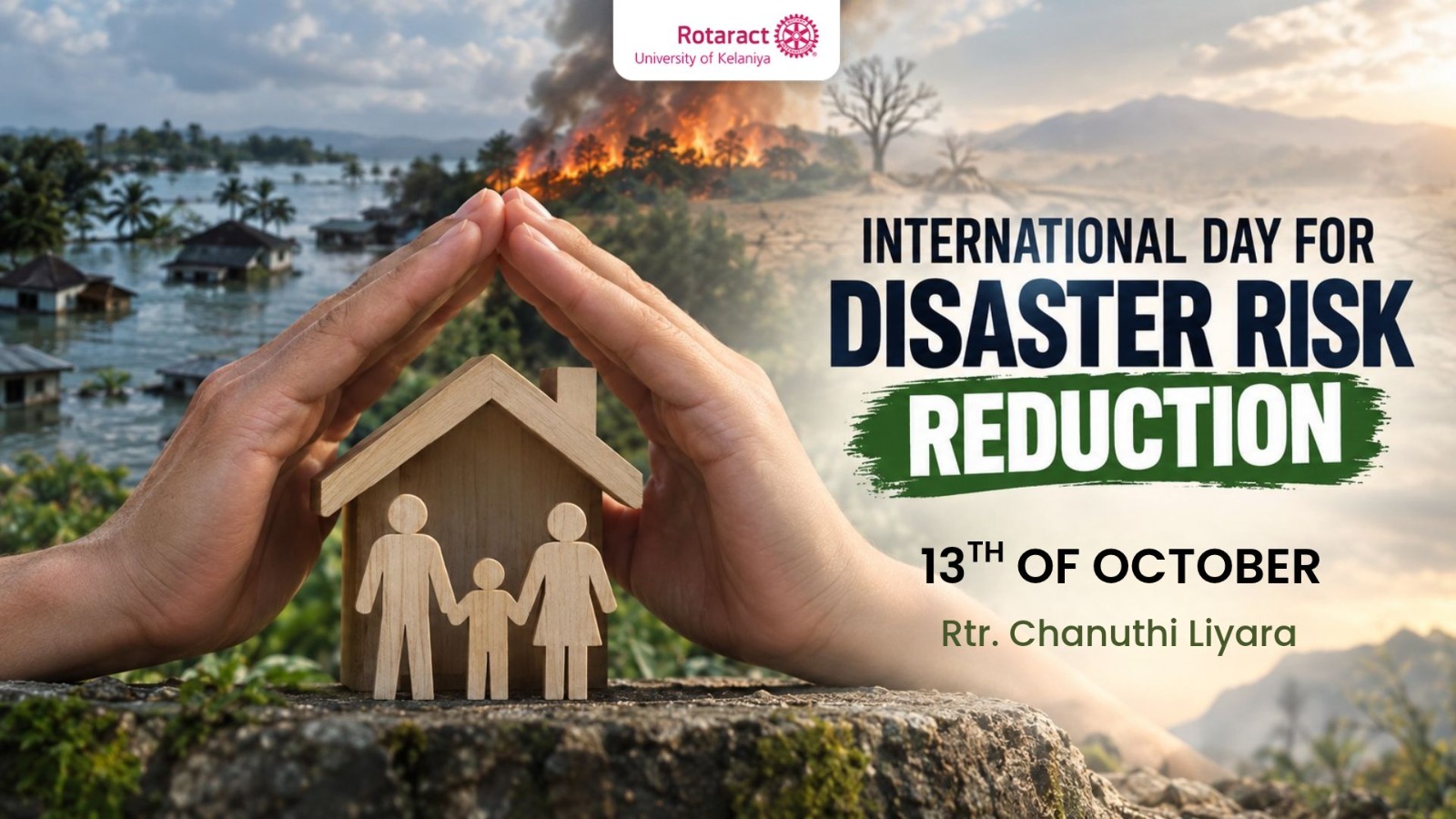
Home is where our lives are revolving around. Mentally, home is our safest place. Physically, is home your safest place? This can vary depending on the location, income, types of hazards that can occur and other contextual factors. Everyone deserves to live in a safe place. In that case, people need to be aware of how to avoid disasters, how to face them and how to rebuild after a disaster. Highlighting the message, ‘’everyone deserves a home that is safe, affordable and able to withstand the hazards around it”, the International Day for Disaster Risk Reduction will be observed on 13 October. On every year, the International Day for Disaster Risk Reduction is observed globally to promote a global culture of risk awareness and disaster reduction. This year’s theme is “Resilience Starts at Home.”
A disaster disrupts individuals, communities and societies causing human, material, economic and environmental losses and impacts. Even after surviving, the trauma that people have to go through is irreparable. That is why the prevention is better than the cure! The International Day for Disaster Risk Reduction is marked to raise awareness about preventing disasters and reducing their effects. The government has a major responsibility on promoting safe construction, sharing reliable warnings, planning for emergencies and raising awareness of civilians. Individuals can learn the possible hazards that can occur in their area, make a family emergency plan, identify safe places and exits and keep essentials and emergency contacts ready. When there is a risk, an extra care has to be given to children, pregnant women, elderly people, persons with disabilities and low income households.
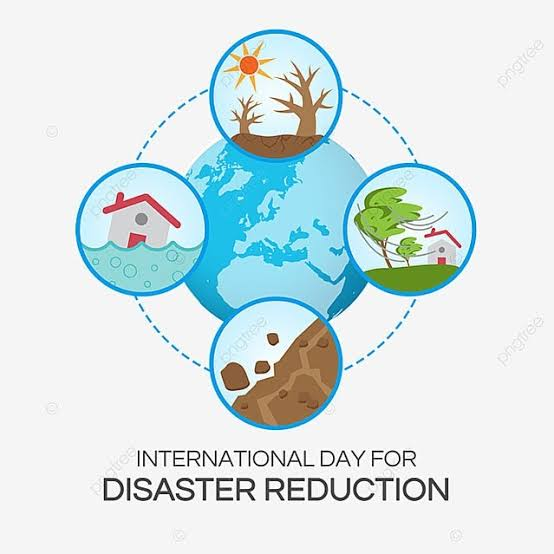
According to the United Nations, around 100 million people were affected by disasters each year on average between 2016 and 2025, and the total disaster costs now exceed 2.3 trillion dollars annually when indirect and ecosystem impacts are included. The International Day for Disaster Risk Reduction helps people to understand and raise awareness that preparation, safer residences can help protect lives and livelihoods. Resilience starts at home today makes the community safer tomorrow.