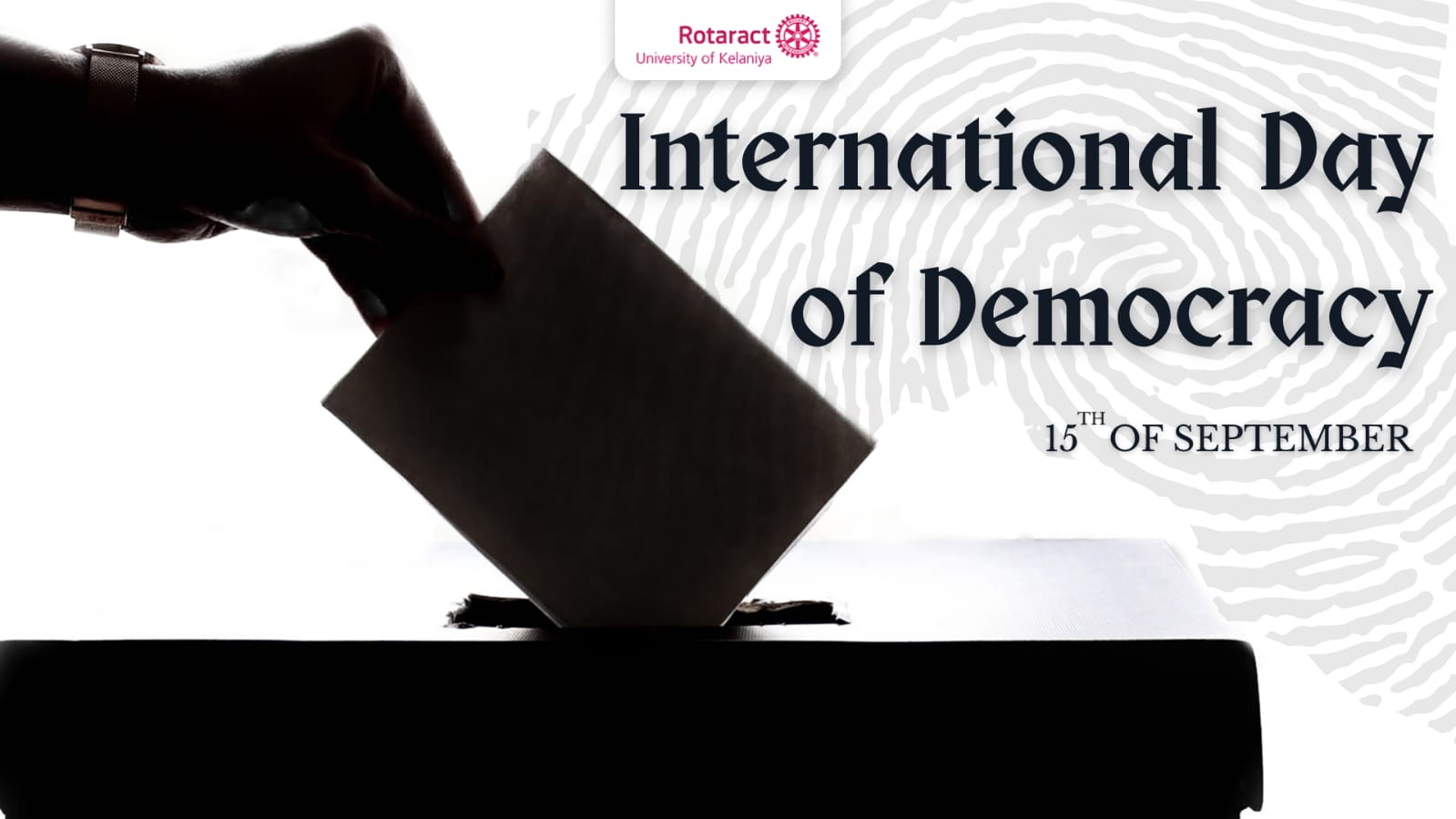
Every year on September 15th, the world pauses to celebrate the International Day of Democracy.
Democracy? Yes We speak about freedom, equality, human rights, elections and the power of the people. As we were taught democracy is a system in which people have a voice in choosing their leaders and shaping the laws that govern them.
But perhaps we all know the voices shout on democracy are heard only during elections, while others are barely heard at all?
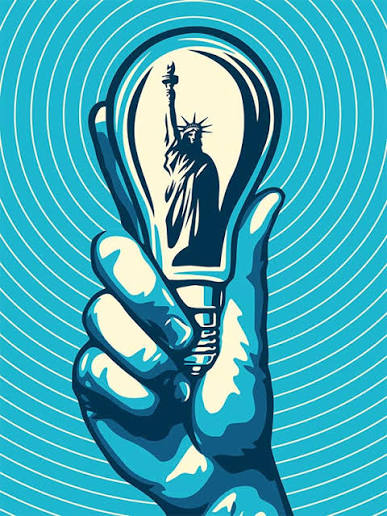
Democracy did not simply appear one morning. It grew through centuries of struggle, debate and sacrifice. From early experiments in popular decision-making to modern parliamentary systems, people repeatedly challenged the idea that power should belong to only a few. Over time, voting rights expanded, human rights became central, and citizens gained greater opportunities to participate in public life.
Democracy, therefore, is not just something we inherited. It is something generations fought to build and something each generation has to protect.
That is why the 2026 theme, centered on bringing diverse voices into decision-making, feels especially meaningful as young people. Diversity is not only about where we come from, what language we speak, or what community we belong to. It is also about the experiences we carry!
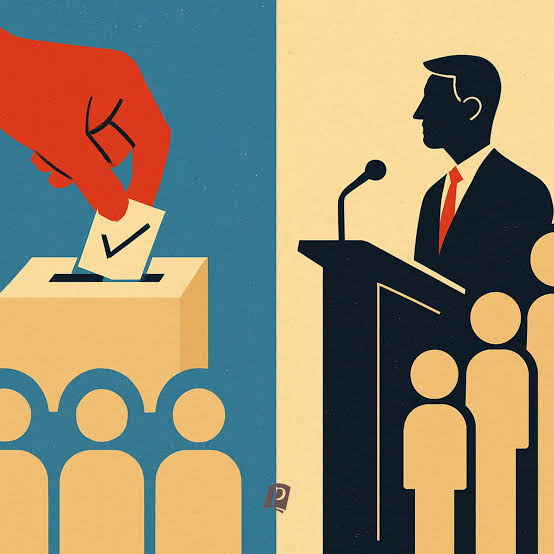
The student who worries about the future. The young person searching for his first job. The person living far from the capital. The person whose opinion is different from the majority.
Do all these voices have a place at the table?
In Sri Lanka, democracy is not a distant idea found in a history book. It is part of our everyday lives. We vote. We debate. We question leaders. We discuss the economy, public services, corruption, opportunities and the future of our country. Yet sometimes we reduce democracy to one simple act: putting a mark on a ballot paper.
What if democracy is much more than that? You carry something called responsibility on your shoulders. It’s not about casting a vote when you’re 18 years old. It’s not about getting your left hand index finger painted and posting a photo of it online. It’s not about betting on who will win the election. It’s more than it..
What if it begins the morning after the election, when citizens continue to ask questions, listen to one another and demand accountability?
As youths do we really want to be heard, or do we only want people to agree with us? A healthy democracy cannot survive on loud voices alone. It needs the patience to listen to unpopular opinions, the courage to question our own side, and the maturity to disagree without turning disagreement into hatred. A society becomes stronger not when everyone thinks alike, but when different people can stand together without being afraid to speak.
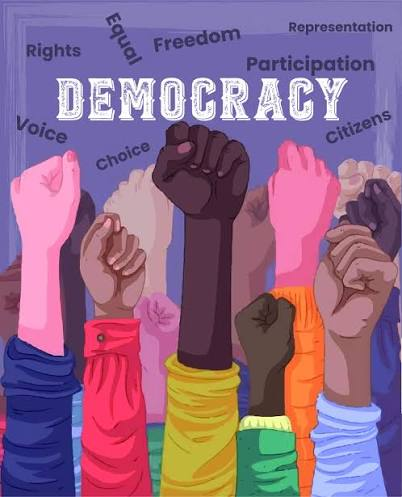
So, as we celebrate democracy this year, perhaps we should look beyond the ceremonies, speeches and familiar words. Let us look at the quiet places where decisions are made and ask: Who is missing? Whose experience have we ignored? Who has stopped speaking because they believe nobody will listen? And what can we do to change that?
Democracy belongs to all of us! Not only to politicians, institutions or voters. It lives in our classrooms, universities, workplaces, families, communities and online spaces. Every time we listen to another perspective, challenge injustice respectfully, protect someone else’s right to speak, or participate instead of simply complaining, we give democracy another heartbeat.
On this International Day of Democracy, let us celebrate not only the right to have a voice, but the responsibility to use it wisely. Because perhaps the real strength of democracy is not found in how loudly the majority can speak, but in whether the quietest voice still believes it is worth speaking..
Will the quietest voice be heard?