
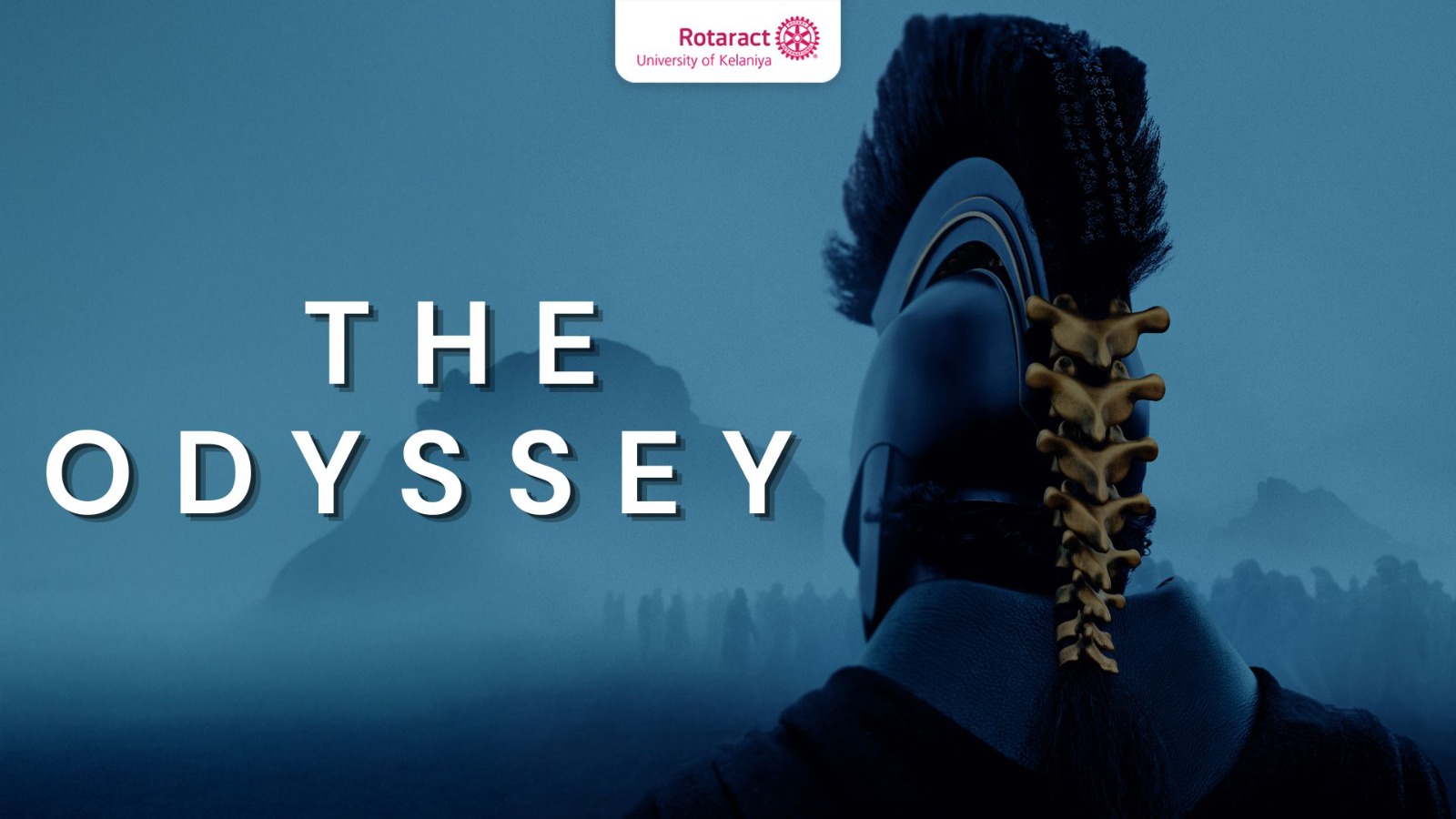
Reimagining Homer’s “The Odyssey”
Homer -whether understood as a single Greek poet or a long oral tradition – composed “The Odyssey”, an ancient epic poem centered on the heroic, perilous voyage of Odysseus. As a foundational piece of Greek mythology, the epic seamlessly weaves together divine intervention, mythical monsters, arduous journeys and complex human emotions. It stands as one of the greatest literary works inherited from Classical Antiquity, continuing to be studied, adapted and revered across the globe.
Over centuries, this Greek epic was translated into countless languages, always striving to preserve its mythological spirit. Earlier English translations often leaned on archaic phrasing, while others opted for simplified prose. Over time, many of these versions began to feel distant and anachronistic. Realizing that the story needed to resonate with contemporary audiences, translators began adapting the text into more relatable, accessible language. A landmark moment arrived in 2017 when British classicist Emily Wilson published her translation of “The Odyssey,” making history as the first woman to publish a complete English translation of the poem.
As technology evolved, “The Odyssey” naturally transitioned from the written page to the stage and screen. Mario Camerini’s 1954 film “Ulysses” was among the earliest to bring the epic to life on the big screen, boasting impressive visual craft for its era. That release paved the way for decades of stage, musical and cinematic adaptations, each viewing Homer’s work through its own distinct artistic, social and political lens.
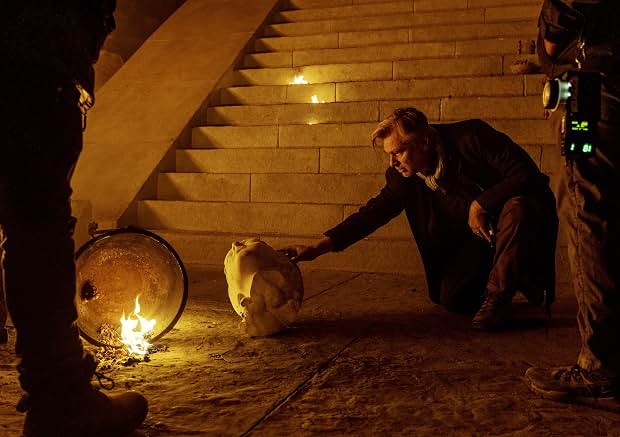
Yet, despite numerous adaptations, no filmmaker had attempted to adapt the epic using the absolute pinnacle of modern visual technology – until Christopher Nolan stepped forward. Known for his fierce commitment to physical realism and visionary cinematic scope, the Academy Award-winning director took on the monumental challenge of bringing “The Odyssey” to IMAX. Beginning his initial script development in 2024, Nolan immersed himself in various translations, ultimately aligning closely with Emily Wilson’s version for its practical, grounded human tone.
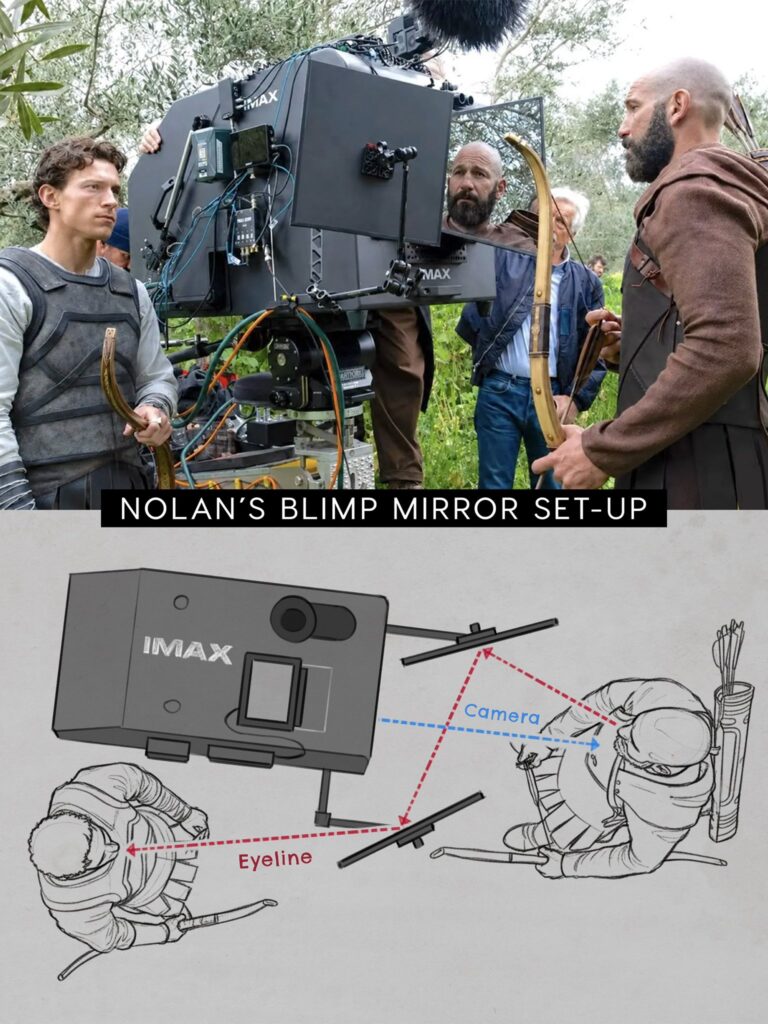
Released in 2026, “The Odyssey” makes cinematic history as the first feature film shot entirely using IMAX 70mm cameras. To experience the film as Nolan intended, viewers must seek out one of the roughly 40 to 45 specialized 70mm IMAX theaters worldwide. True to his signature style, Nolan prioritized practical effects over computer-generated imagery(CGI). To overcome the acoustic challenges of massive IMAX machinery, the crew developed custom noise-reducing camera covers, allowing actors to deliver intimate, audible dialogue on set. Additionally, a specialized blimp-mirror camera rig was created so actors could maintain direct, natural eye contact during one-on-one scenes without giant equipment obstructing their performance.
Produced alongside his long-time producing partner and wife, Emma Thomas, Nolan assembled a powerhouse ensemble cast. Matt Damon stars as Odysseus, supported by an extraordinary lineup including Anne Hathaway, Tom Holland, Zendaya, Robert Pattinson, Charlize Theron, Lupita Nyong’o, Samantha Morton, Jon Bernthal, Himesh Patel, Elliot Page and Benny Safdie. Continuing his tradition of casting musical artists in key roles, Nolan also featured Travis Scott as a performing bard among the suitors.
Navigating the physical constraints of heavy IMAX equipment alongside intense practical set pieces required the cast to perform at the absolute peak of their craft to meet Nolan’s rigorous standards.
Among the film’s many breathtaking sequences, the descent into Hades stands out as particularly poignant. The decision to portray Sinon as a victim of misguided authority and child exploitation during the Trojan War hits with devastating emotional force. Elliot Page’s performance during this confession conveys raw, vulnerable grief that brings genuine tears.
The film’s emotional depth is amplified exponentially by Ludwig Göransson’s score. Composing as if he were a warrior living in ancient Greece, Göransson went so far as to construct custom instruments based on historical texts to capture the raw essence of the era. His composition merges effortlessly with Nolan’s direction, elevating every frame.
Beyond its technical triumph, acting caliber and stunning score, the film carries profound literary weight through Nolan’s screenplay. In one haunting sequence, the Sirens whisper a devastating truth:
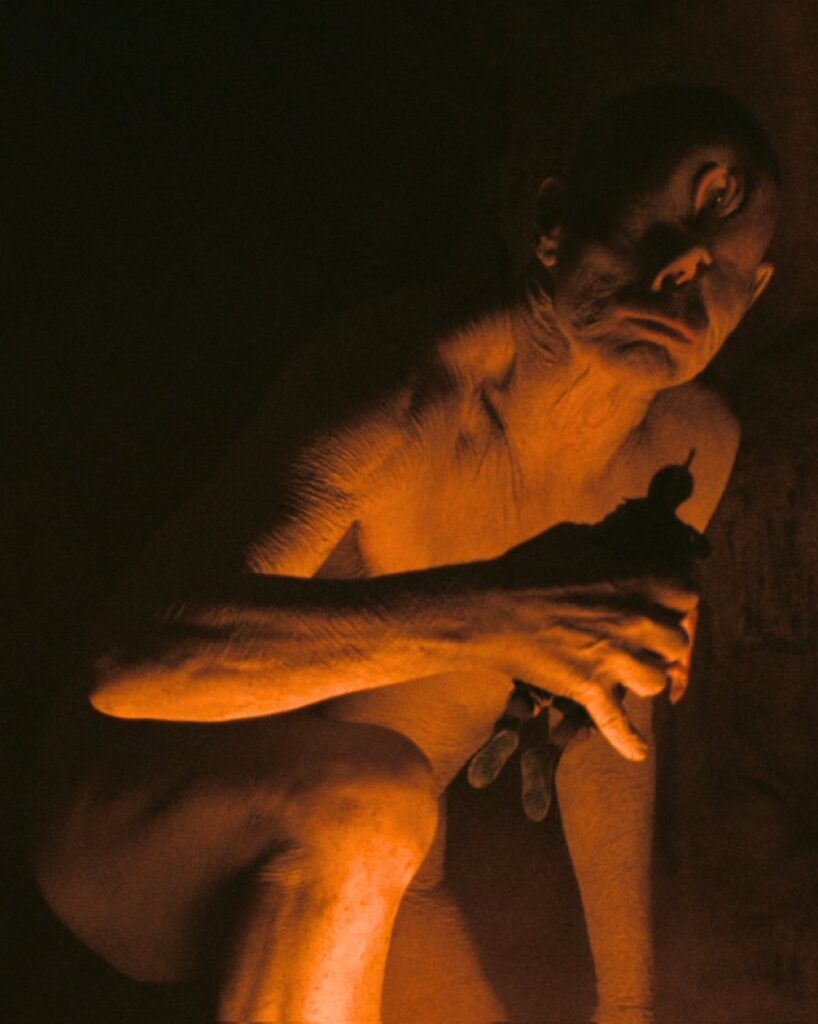
“What you most want is what you most can’t have, and what you most can’t have is what you already had and lost.”
Christopher Nolan has always been an extraordinary writer, but the literary depth he brings to this adaptation is phenomenal – a fitting tribute to Homer’s legacy. Having previously mentioned in interviews that his son playfully reminded him he had yet to win an Oscar for screenwriting, many critics predict that “The Odyssey” may finally earn him that coveted award.
Nolan’s “The Odyssey” bridges thousands of years of storytelling, passing Homer’s epic to a new generation without losing its timeless soul. Through technical mastery and narrative vision, Nolan has once again made cinema history.