
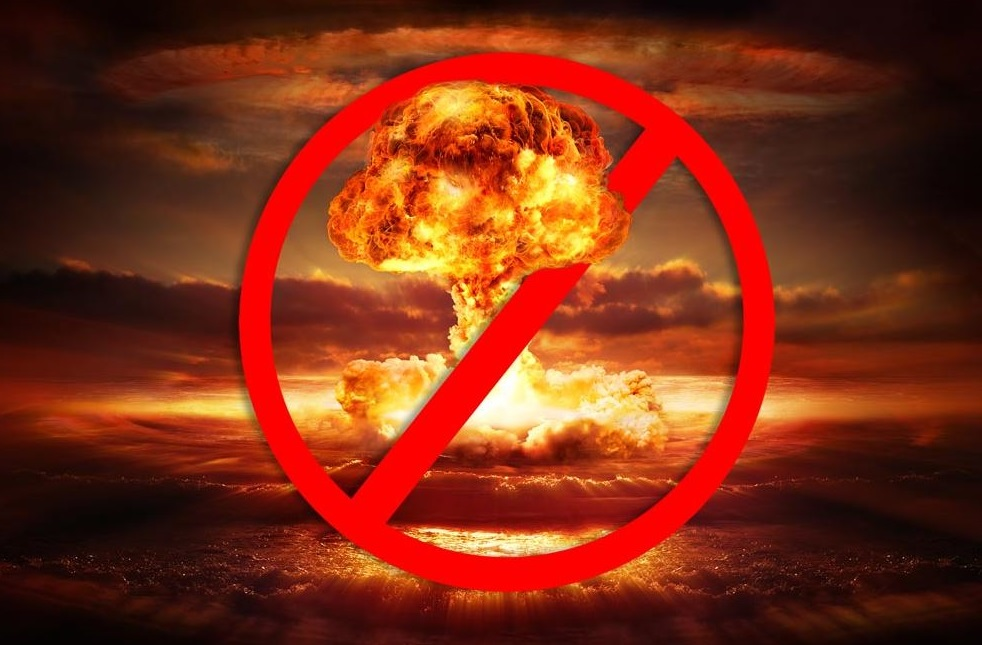
Long before treaties were drafted and international resolutions were passed, the story of nuclear testing was written into the geology of our planet and our bloodlines. Since the first blast in the New Mexico desert in 1945, the world has witnessed over two thousand man-made suns ignite in the name of security. For decades, these detonations were justified as necessary measures of Cold War deterrence. Yet, there is a devastating reality behind it. The true cost of the nuclear age was paid not in megatons, but by the environments and communities located directly downwind of the blasts, from the Pacific to Central Asia and the Australian outback.
August 29th, the International Day Against Nuclear Tests, forces humanity to confront this invisible legacy. The fallout from these experimental weapons did not respect national borders. Radioactive isotopes seeped into fragile soils, poisoned groundwater and entered the global food chain. For rural villagers and military personnel living near proving grounds like the “Semipalatinsk” test site, the aftermath brought a tragic rise in generational health crises and permanently scarred ecosystems. Humanity was about to face doomsday.
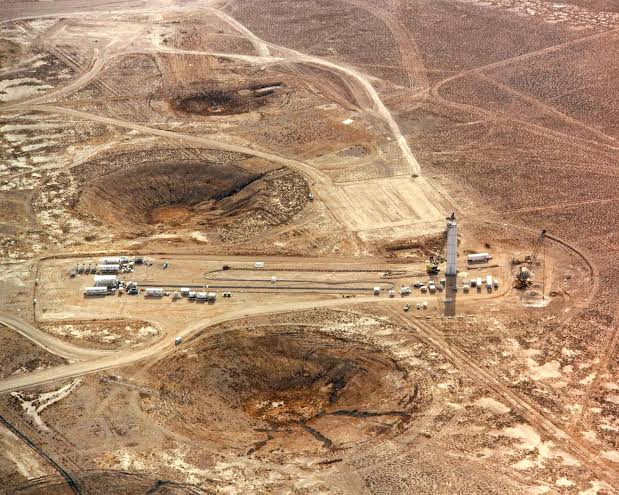
However, with this tragedy, a massive global resistance emerged. On August 29, 1991, following years of tireless advocacy by civil society and medical professionals, the government of Kazakhstan permanently closed the “Semipalatinsk” test site. This shattered the secrecy of testing programs and laid the groundwork for the Comprehensive Nuclear-Test-Ban Treaty (CTBT) in 1996, aiming to banish nuclear explosions to the history books once and for all.
To honour that historic closure, the United Nations unanimously established this annual observance in 2009.
Today it serves as far more than an act of mourning. It is an urgent call to action. It demands unyielding pressure on the nations that have yet to ratify the CTBT, so it can finally enter into international law. This significant day asks us to honour the survivors with a relentless commitment to peace, ensuring that a devastating roar of a nuclear test will never be heard on Earth again.