
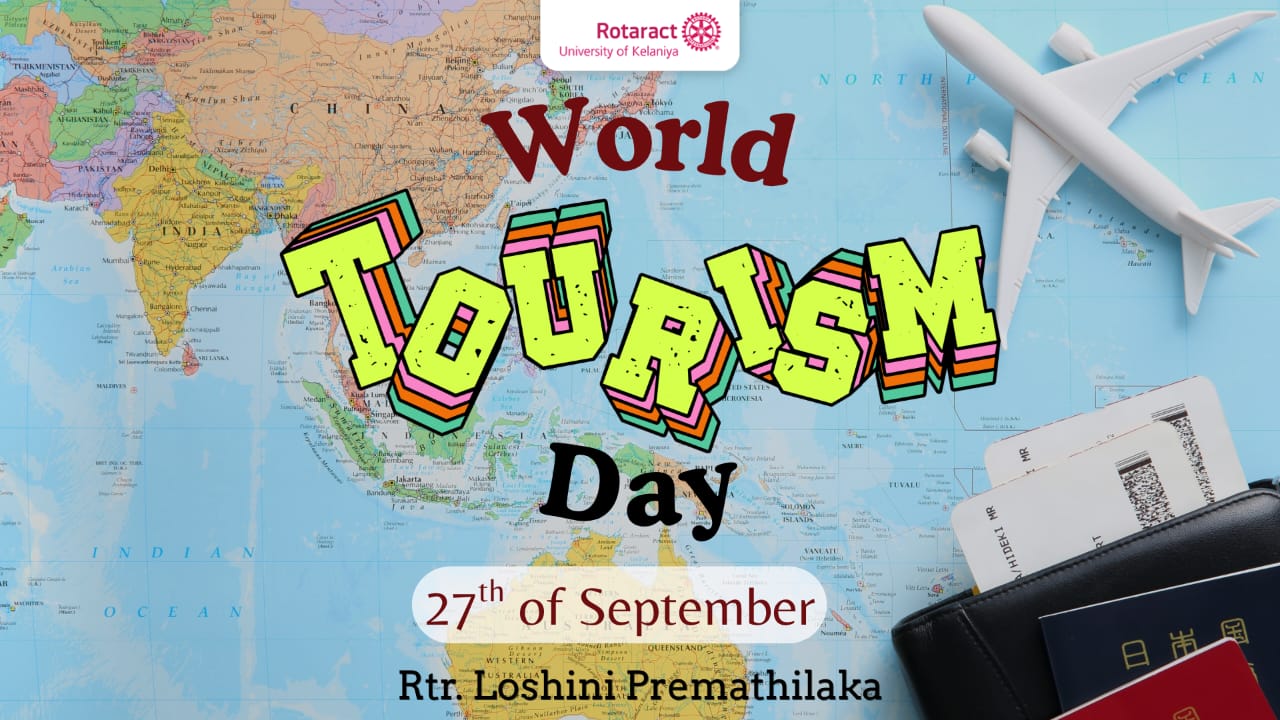

World Tourism Day is an internationally recognized occasion celebrated every year on the 27th of September to highlight the social, cultural, economic and environmental importance of tourism. Tourism connects people from different countries and communities while creating opportunities to experience unfamiliar cultures, landscapes, traditions and ways of life. More than simply traveling from one destination to another, tourism can encourage cultural understanding, support local livelihoods and contribute to the development of communities. The day therefore provides an opportunity to reflect on both the benefits and responsibilities associated with the global tourism industry.
The celebration of World Tourism Day was established by the World Tourism Organization, now known as UN Tourism, in 1980. The date of 27 September was selected because it marks the anniversary of the adoption of the Statutes of the organization in 1970. Since its establishment, World Tourism Day has been used to draw international attention to important issues affecting tourism and its relationship with society. Each year, the occasion provides a platform for governments, tourism organizations, educational institutions, businesses and local communities to discuss how tourism can develop in a responsible and inclusive manner.

Tourism makes a significant contribution to economies around the world. It generates employment in areas such as hospitality, transportation, travel services, food and beverage, guiding, entertainment and cultural industries. In many developing countries, tourism also provides income for small businesses and local communities. Farmers, craft producers, artists, drivers, guesthouse owners and other service providers can benefit when visitors purchase locally produced goods and services. Consequently, well-managed tourism can support entrepreneurship, reduce economic dependence on a limited number of industries and create opportunities for young people.
Another important contribution of tourism is the promotion of cultural exchange. Travelers have opportunities to learn about languages, customs, traditional foods, religious practices, architecture, music and artistic traditions. At the same time, host communities can gain a greater appreciation of their own cultural heritage when it is presented to visitors. However, cultural tourism must be approached respectfully. Traditions should not be reduced to commercial performances or presented inaccurately merely to satisfy tourist expectations. Responsible tourism should protect the dignity, identity and rights of local communities while allowing visitors to learn from authentic cultural experiences.

Environmental sustainability is equally important in the modern tourism industry. Popular destinations can experience pressure from excessive visitor numbers, waste generation, water consumption, pollution, habitat destruction and damage to natural resources. Sustainable tourism seeks to reduce these negative effects while preserving destinations for future generations. Practical measures include responsible waste management, conservation of biodiversity, efficient use of water and energy, protection of wildlife, environmentally friendly transportation and careful management of visitor numbers in sensitive areas. Tourists also have a responsibility to respect local environmental regulations and minimize the impact of their activities.
Sri Lanka provides a valuable example of the potential of tourism to support national development. The country offers a diverse range of attractions, including beaches, mountains, forests, wildlife, historical sites, religious landmarks, traditional arts and distinctive culinary traditions. Destinations such as Sigiriya, Kandy, Galle, Yala and the central highlands attract visitors with different interests. Community-based tourism can further strengthen this sector by enabling local residents to participate directly in tourism activities and benefit from the income generated. Such approaches can encourage visitors to explore less-developed areas while supporting local enterprises.

World Tourism Day is therefore more than a celebration of traveling and leisure. It encourages people to consider how tourism can contribute to a more sustainable, inclusive and culturally respectful world. The future of tourism depends on cooperation among travelers, local communities, businesses, governments and international organizations. When tourism is planned responsibly, it can create employment, strengthen cultural understanding, protect heritage, and encourage environmental conservation. Ultimately, World Tourism Day reminds us that traveling carries both opportunities and responsibilities and that the destinations we enjoy today should be protected for the generations that will visit them tomorrow.